How to Use Alcohol Wipes Safely?
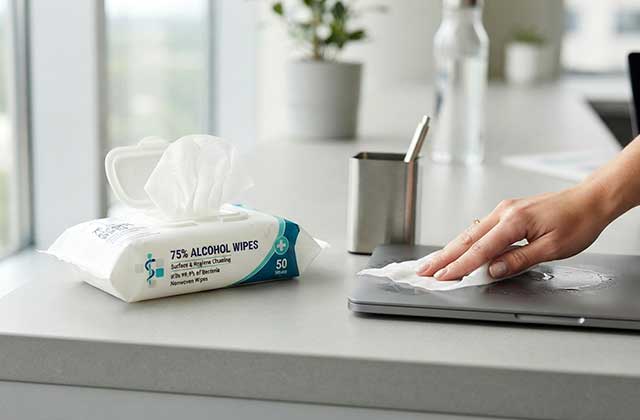
Alcohol wipes are widely used in healthcare facilities, workplaces, commercial environments, and everyday hygiene routines. They provide a convenient way to clean compatible surfaces and support hand hygiene when the correct formulation is selected for its intended purpose. For businesses sourcing these products, working with an experienced wet wipes manufacturer also helps ensure that material selection, alcohol concentration, packaging, and application requirements are properly considered.
However, not all alcohol wipes are designed for the same purpose. Some are formulated for hand hygiene, while others are intended for surface cleaning, disinfection, or medical applications. Understanding these differences is essential for using alcohol wipes safely and effectively.
How Do Alcohol Wipes Work?
Alcohol wipes contain a liquid formulation, commonly based on ethanol or isopropyl alcohol, absorbed into a nonwoven material. Alcohol can disrupt microbial proteins and damage essential structures in susceptible microorganisms, helping reduce or inactivate them when the product is used correctly.
The effectiveness of alcohol wipes depends on several factors, including:
- The type and concentration of alcohol
- The microorganisms being targeted
- The overall formulation
- The surface or application being treated
- The required contact time
Alcohol concentration alone does not determine whether a wipe is an effective disinfectant. Product-specific testing, labeling, and usage instructions are important when evaluating its performance.
For this reason, buyers should distinguish between general-purpose alcohol cleaning wipes, hand sanitizing wipes, and registered surface disinfectant wipes.
What Are Alcohol Wipes Used For?
Alcohol wipes serve different purposes depending on their formulation and intended application.
1. Cleaning and Disinfecting Selected Surfaces
Alcohol-based wipes can be used on certain compatible hard surfaces, including selected work surfaces, equipment, and frequently touched objects.
In healthcare and commercial environments, the appropriate product should be selected according to the required disinfection level and applicable regulations.
A surface-cleaning wipe should not automatically be considered an approved disinfectant. Always check the product label for its permitted applications and antimicrobial claims.
2. Supporting Hand Hygiene
Hand hygiene is another common application of alcohol-based wipes.
The CDC recognizes hand sanitizing wipes containing at least 60% alcohol as an option for killing germs on hands. However, ordinary surface disinfecting wipes should never be used as a substitute for hand hygiene products.
When soap and water are unavailable, appropriately labeled alcohol-based hand sanitizing wipes can provide a convenient alternative.
Washing hands with soap and water remains preferable in many situations, especially when hands are visibly dirty or greasy.
3. Healthcare and Medical Applications
Healthcare environments require products designed for specific hygiene and infection-control procedures.
Alcohol-based wipes and sterile alcohol prep pads may serve different purposes. For example, individually wrapped 70% alcohol prep pads are commonly used for appropriate skin preparation applications.
They should not be confused with general-purpose surface disinfecting wipes.
Businesses sourcing medical and disinfectant wipes should evaluate product classification, formulation, packaging, testing, and applicable regulatory requirements before selecting a product.
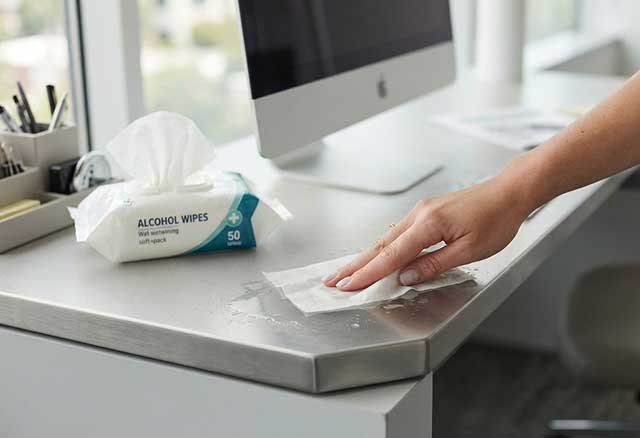
How to Use Alcohol Wipes Correctly
Using alcohol wipes properly is just as important as choosing the right product. Following the manufacturer’s instructions helps maintain product performance and reduce unnecessary exposure.
Step 1: Check the Product Label
Before opening a pack, confirm whether the wipes are intended for hands, skin preparation, or hard-surface applications.
Check the alcohol concentration, usage instructions, expiration date, and relevant safety warnings.
Never assume that a product suitable for one application is automatically suitable for another.
Step 2: Prepare the Surface
If you are cleaning a hard surface, remove visible dirt and debris when required by the product instructions.
Organic matter, grease, and accumulated soil can interfere with the cleaning or disinfection process.
For surfaces requiring disinfection, use a product specifically labeled for that purpose.
Step 3: Use a Fresh Wipe
Remove a fresh wipe from its original packaging and unfold it if necessary.
Use enough wipes to cover the intended area without spreading contamination from one surface to another.
Avoid reusing a wipe that has already been used for another cleaning task.
Step 4: Follow the Required Contact Time
One important factor in disinfection is contact time.
The treated surface may need to remain visibly wet for a specified period to achieve the product’s labeled antimicrobial performance.
Do not assume that wiping a surface once and allowing the alcohol to evaporate immediately will provide the same result for every product.
Follow the exact contact time stated on the product label.
Step 5: Dispose of Used Wipes Properly
After use, discard the wipe according to the manufacturer’s disposal instructions.
Do not flush disposable wipes down the toilet unless the product is specifically designed and approved for that disposal method.
Follow any additional handling or disposal instructions provided on the packaging.
Are 70% and 75% Alcohol Wipes Different?
Alcohol concentration is an important specification when selecting alcohol wipes, but a higher percentage does not automatically mean better disinfection.
Both 70% and 75% alcohol formulations are commonly used in alcohol-based cleaning and hygiene products. Their actual performance depends on the complete formulation, target microorganisms, application method, and contact time.
For example, 75% alcohol wipes are available for professional cleaning and sanitation applications, with product specifications that can vary according to the intended use.
When choosing between different concentrations, consider the following:
- Intended application and target microorganisms
- Product testing and supporting documentation
- Compatibility with the surface or application
- Required contact time
- Applicable market regulations
For brands and distributors, the alcohol percentage should be considered as part of the overall product specification rather than the only indicator of quality.
Important Safety Precautions When Using Alcohol Wipes
Although alcohol wipes are convenient, improper use can create unnecessary risks.
Avoid using surface disinfecting wipes on skin.
Surface disinfectants are formulated for specific materials and cleaning applications. They may cause skin irritation or other adverse effects. Use only products labeled for skin contact when cleaning hands or preparing skin.
Keep alcohol wipes away from flames and heat.
Alcohol is flammable. Store alcohol-based products away from open flames, sparks, and high-temperature sources.
Check surface compatibility.
Alcohol may damage certain coatings, plastics, painted finishes, or other sensitive materials. Follow the equipment or surface manufacturer’s cleaning recommendations before use.
Never mix cleaning chemicals.
Do not combine alcohol wipes with bleach, ammonia, or other cleaning agents. Mixing chemicals can create hazardous conditions.
Store products properly.
Keep packages sealed when not in use to reduce moisture loss and maintain product quality. Store them according to the manufacturer’s temperature and safety instructions, away from children and pets.
Can Alcohol Wipes Help Protect Against COVID-19?
Alcohol-based products can play a role in hygiene and certain disinfection procedures, but alcohol wipes should not be considered a complete solution for preventing COVID-19 or other respiratory infections.
The appropriate product may help disinfect compatible surfaces when it has the relevant efficacy claims and is used according to its label.
However, surface disinfection is only one part of infection prevention. COVID-19 primarily spreads through respiratory particles, so hand hygiene, appropriate ventilation, and other recommended preventive measures remain important.
It is also essential to distinguish between hand hygiene products and surface disinfectants. A wipe intended for cleaning countertops or equipment should never be used on the skin simply because it contains alcohol.
For additional guidance, refer to the CDC’s hand hygiene recommendations and the EPA’s disinfectant product information.
Frequently Asked Questions About Alcohol Wipes
Do alcohol wipes kill bacteria and viruses?
Some alcohol wipes can inactivate specific bacteria and viruses when their formulations, testing, and usage conditions support those claims. Effectiveness depends on the product, target microorganism, and required contact time. Not every alcohol wipe provides broad-spectrum disinfection.
Are 70% alcohol wipes effective?
A 70% alcohol formulation is commonly used in alcohol-based products. However, the product’s intended use, formulation, testing, and instructions determine its actual performance.
Can alcohol wipes be used on hands?
Only wipes specifically formulated and labeled for hand hygiene should be used on hands. The CDC recognizes hand sanitizing wipes containing at least 60% alcohol as an option for killing germs on hands. Surface disinfecting wipes are not suitable substitutes.
How long should a surface stay wet after using alcohol wipes?
The required contact time depends on the product and its intended antimicrobial claim. Always follow the manufacturer’s label. Some products require the treated surface to remain visibly wet for a specified period.
Do alcohol wipes expire?
Yes. Alcohol wipes have a shelf life. Over time, alcohol may evaporate if the packaging is damaged or improperly sealed, potentially affecting product performance. Check the expiration date and storage instructions before use.
Are alcohol wipes flammable?
Yes. Alcohol-based wipes may be flammable, particularly while the alcohol is still present in the wipe or on a treated surface. Keep them away from flames, sparks, and heat sources.
Choosing the Right Alcohol Wipes for Your Brand
For retailers, healthcare suppliers, distributors, and private label brands, selecting an alcohol wipe involves more than choosing a percentage printed on the package.
The nonwoven substrate, liquid formulation, sheet dimensions, moisture retention, packaging format, and intended application all influence the finished product.
A suitable product specification should also consider market requirements, labeling, testing, and product stability.
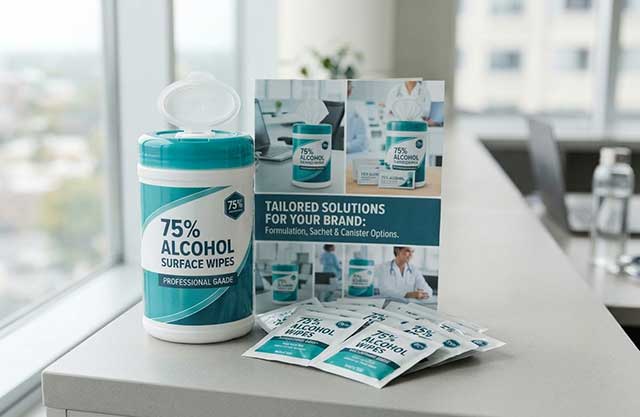
SYWIPE supports OEM and private label wet wipes development, including alcohol-based wipe products with customizable materials, formulations, sheet sizes, and packaging options.
If you are developing a new alcohol wipe product or looking for a long-term manufacturing partner, discuss your alcohol wipe requirements with our team to evaluate suitable product specifications and packaging solutions.