How to Choose the Best Wet Wipes Material for Your Product?
Choosing a wet wipe may seem simple from a consumer’s perspective. The package looks attractive, the fragrance smells pleasant, and the product claims to be gentle, durable, or eco-friendly. Yet behind every successful wet wipes product lies a decision that most consumers never see—the choice of material.
For brands developing private label wet wipes, the substrate is far more than a manufacturing component. It directly influences softness, absorbency, durability, environmental impact, production costs, and ultimately customer satisfaction. Selecting the wrong material can lead to complaints, poor reviews, and disappointing sales. Selecting the right one can help a product stand out in an increasingly competitive market.
As consumer expectations continue to evolve, understanding wet wipes materials has become an essential part of product development.
The Hidden Factor Behind Product Performance
Several years ago, a baby care brand approached a manufacturer with a common problem. Their wipes formula had tested exceptionally well, and the packaging design was receiving positive feedback from retailers. However, customer reviews consistently mentioned that the wipes felt thin and tore too easily during use.
The issue wasn’t the lotion or the packaging. It was the substrate.
After switching to a higher-quality spunlace material with a greater percentage of natural fibers, customer satisfaction improved dramatically. Sales increased, repeat purchases grew, and retailer feedback became significantly more positive.
This example highlights an important reality within the wet wipes industry: consumers may not know what material is being used, but they immediately notice how it feels.
The substrate creates the first physical interaction between the product and the customer. That experience often determines how consumers judge overall product quality.
Why Material Selection Matters More Than Ever?
The wet wipes market has changed significantly over the last decade.
In the past, many products were primarily evaluated on price. Today, consumers pay attention to softness, sustainability, skin compatibility, and environmental responsibility. Parents look for gentle materials for babies. Pet owners seek durable wipes that won’t irritate sensitive skin. Environmentally conscious consumers want biodegradable alternatives to plastic-based products.
As a result, manufacturers can no longer rely on a one-size-fits-all approach.
The material chosen for a premium baby wipe may be completely different from the material used in an industrial cleaning wipe. Understanding these differences is critical when developing a product that meets market expectations.
Understanding Modern Wet Wipes Materials
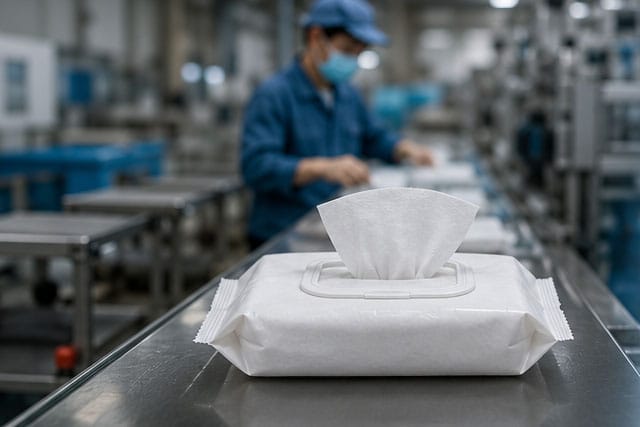
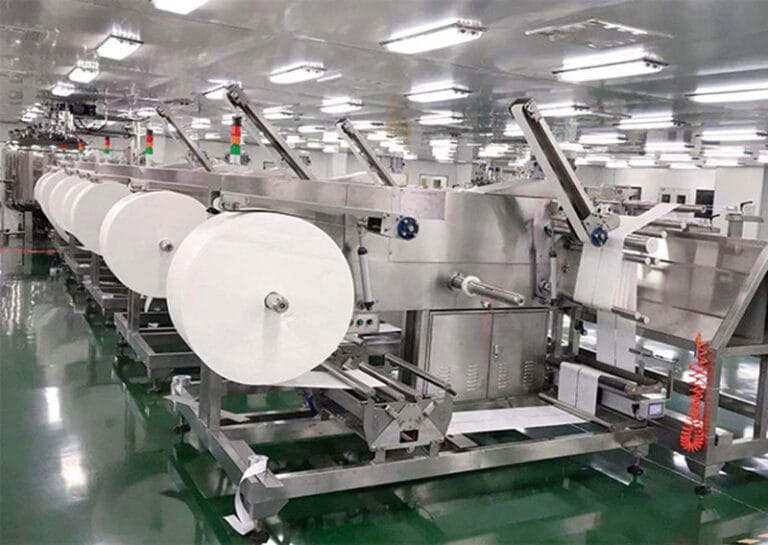
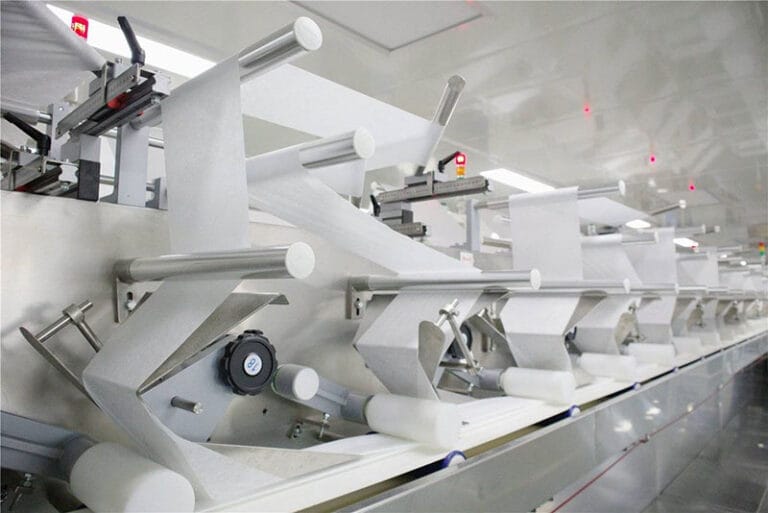
Most wet wipes are produced using spunlace nonwoven fabric. This manufacturing method uses high-pressure water jets to entangle fibers together, creating a soft yet durable material without chemical binders.
Within that fabric, however, various fibers can be used to create different performance characteristics.
Polyester remains one of the most commonly used synthetic fibers in wet wipes manufacturing. It offers excellent strength and durability while maintaining a relatively low production cost. Polyester-based materials are often selected for household cleaning wipes, disinfecting wipes, and industrial applications where strength is a priority.
Viscose, on the other hand, delivers exceptional softness and absorbency. Derived from natural cellulose, it provides a more comfortable feel against the skin and is widely used in baby wipes, facial wipes, and personal care products.
Many manufacturers combine polyester and viscose to create a balanced substrate that offers both strength and softness. This blend has become a popular solution for brands seeking reliable performance while maintaining competitive pricing.
The Rise of Natural and Sustainable Fibers
As sustainability becomes a greater concern worldwide, demand for natural fiber-based wipes continues to grow.
Bamboo fiber has gained significant attention in recent years. Consumers often associate bamboo with environmental responsibility, renewable resources, and eco-friendly lifestyles. Bamboo-based wipes typically offer excellent softness and moisture retention while supporting a greener brand image.
Cotton remains another premium choice. Its natural softness and familiarity make it particularly attractive for baby care and cosmetic applications. Many consumers already trust cotton for products that come into direct contact with the skin, making it an effective material for premium positioning.
Perhaps the fastest-growing material category is lyocell. Produced from sustainably sourced wood pulp, lyocell combines exceptional softness, high absorbency, and impressive strength. It is increasingly used by brands seeking biodegradable and plastic-free alternatives without sacrificing product performance.
These materials not only improve environmental credentials but also help brands differentiate themselves in crowded retail categories.
Matching Materials to Product Applications
One of the biggest mistakes new brands make is assuming there is a single “best” material for all wet wipes.
In reality, the ideal material depends entirely on the intended application.
A baby wipe designed for newborn skin must prioritize softness and skin compatibility. Consumers expect a gentle touch and premium feel. Materials with higher viscose, bamboo, or lyocell content often perform well in this category.
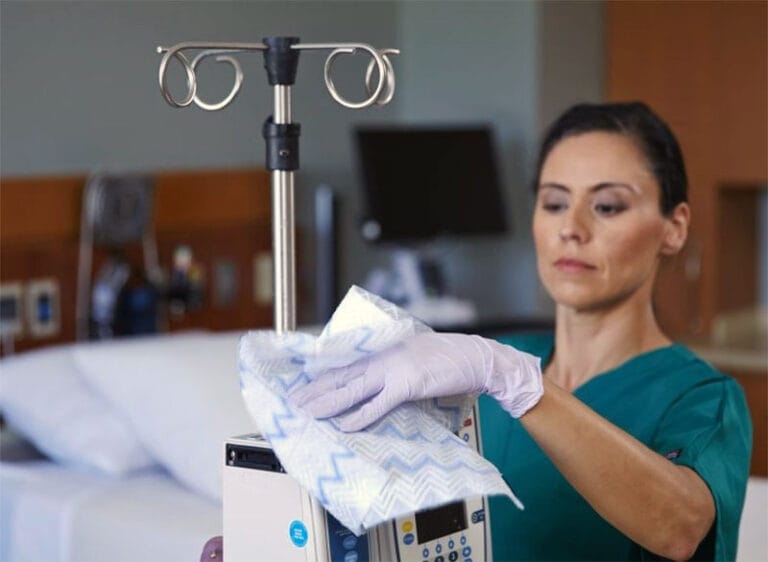
A disinfecting wipe faces different demands. Durability becomes more important because users frequently clean rough surfaces. The material must remain intact even when saturated with strong disinfecting solutions.
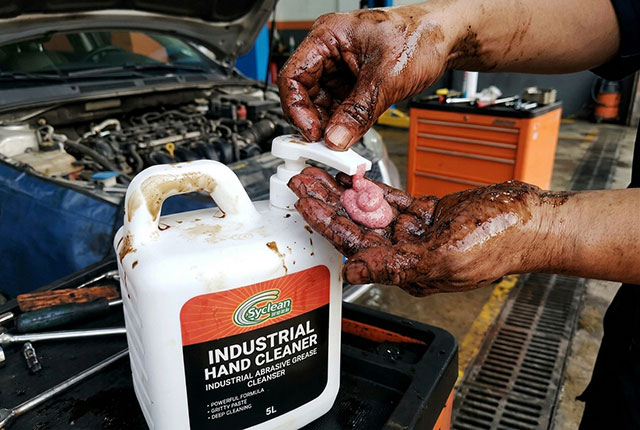
Industrial wipes require even greater strength. In workshops, factories, and maintenance environments, wipes may be used to remove grease, oil, and dirt. A substrate optimized for softness would likely fail under these conditions.
Meanwhile, flushable wipes introduce another challenge. The material must maintain strength during use while still dispersing appropriately after disposal. This requires specialized cellulose-based substrates specifically engineered for flushability.
The most successful brands begin by defining the end-user experience before selecting the material.
Balancing Quality and Cost
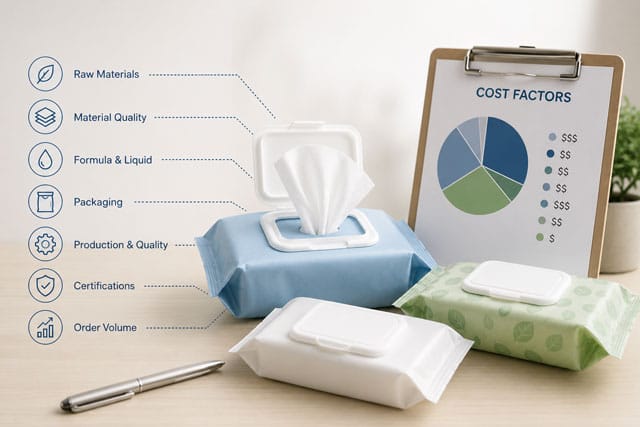
Every product development project eventually reaches the same question: how much should be invested in the substrate?
Higher-quality materials generally increase manufacturing costs, but they can also improve customer satisfaction and justify premium pricing.
A low-cost material may reduce initial expenses, yet poor user experience often leads to negative reviews and reduced customer retention. Conversely, investing in a premium substrate can strengthen brand reputation and increase long-term profitability.
This is why experienced brands rarely focus solely on the lowest material cost. Instead, they evaluate the total value the material contributes to the finished product.
The goal is not necessarily to choose the most expensive option. The goal is to choose the material that best supports the product’s positioning and customer expectations.
Why Manufacturer Expertise Matters?
Material selection becomes significantly easier when working with an experienced wet wipes manufacturer.
A knowledgeable manufacturing partner can evaluate product goals, target markets, compliance requirements, and budget constraints before recommending suitable substrates.
Rather than simply offering a catalog of materials, experienced manufacturers help brands understand the advantages and limitations of each option. They can provide samples, conduct performance testing, and recommend solutions based on real-world production experience.
For companies launching new products, this guidance often prevents costly mistakes and shortens development timelines.
Businesses looking for a reliable supplier may benefit from reading how to choose a reliable wet wipes manufacturer before making a final decision.These factors directly influence the consistency and performance of the final product.
Looking Beyond Today’s Trends
Consumer preferences will continue to evolve, but one trend is clear: expectations for quality and sustainability are increasing.
Future growth within the wet wipes industry will likely be driven by biodegradable materials, renewable fibers, plastic-free solutions, and products designed to minimize environmental impact.
Brands that understand these trends today will be better positioned to meet future market demands.
Before selecting a substrate, it can also be helpful to understand what are wet wipes made of? and how different fibers influence product performance. It is a strategic investment in product quality, customer satisfaction, and long-term brand growth.
Final Thoughts
The best wet wipes material is not defined by a single fiber or technology. It is determined by how effectively the material supports the product’s purpose and the expectations of its users.
Whether the goal is creating a premium baby wipe, an eco-friendly personal care product, a durable disinfecting wipe, or a heavy-duty industrial solution, the substrate forms the foundation of the entire user experience.
For brands developing new products, taking the time to understand material options can lead to better performance, stronger customer loyalty, and greater market success.
After all, consumers may never ask what your wet wipes are made from—but they will always remember how they feel.
Frequently Asked Questions About Wet Wipes Materials
What is the most common material used in wet wipes?
The most common wet wipes material is spunlace nonwoven fabric made from a blend of polyester and viscose fibers. This combination provides a balance of softness, absorbency, durability, and cost-effectiveness, making it suitable for baby wipes, personal care wipes, and household cleaning products.
Which material is best for baby wipes?
For baby wipes, soft and skin-friendly materials such as viscose, cotton, bamboo fiber, and lyocell are often preferred. These fibers offer excellent absorbency and a gentle feel, helping reduce friction on sensitive skin.
Are bamboo wet wipes better than regular wet wipes?
Bamboo-based wipes can be a good choice for brands focused on sustainability. Bamboo fibers are derived from renewable resources and are often associated with eco-friendly products. However, the best material depends on the product’s intended use, budget, and performance requirements.
What is the difference between viscose and polyester in wet wipes?
Viscose is a cellulose-based fiber known for its softness and absorbency, while polyester is a synthetic fiber valued for strength and durability. Many manufacturers combine the two materials to create wipes that deliver both comfort and performance.
Are all wet wipes biodegradable?
No. Many traditional wet wipes contain synthetic fibers such as polyester or polypropylene, which do not biodegrade quickly. Brands looking for biodegradable options typically choose materials such as bamboo, wood pulp, viscose, lyocell, or other cellulose-based fibers.
How do manufacturers choose the right wet wipes material?
Manufacturers typically evaluate several factors, including the product application, target market, desired softness, strength requirements, sustainability goals, and budget. The ideal material is the one that best supports the product’s intended performance and customer expectations.