What to Ask a Wet Wipes Manufacturer?
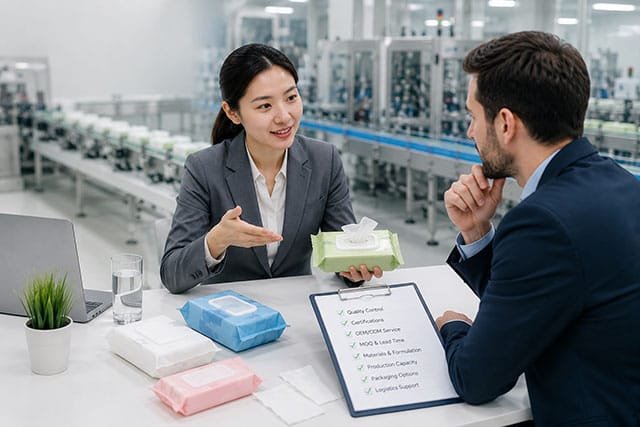
In the global hygiene products market, wet wipes have become one of the fastest-growing categories across baby care, personal hygiene, disinfecting, and industrial cleaning applications. However, behind every successful wet wipes brand, there is usually one critical factor that determines long-term performance—choosing the right manufacturing partner.
For many importers, distributors, and private label brand owners, the real challenge is not finding a supplier, but identifying a qualified wet wipes manufacturer who can consistently deliver stable quality, regulatory compliance, and scalable production.
This is why asking the right questions before placing an order is not just recommended—it is essential.
If you are currently evaluating suppliers or planning to build your own brand, you can also learn more about professional OEM solutions here: SYWIPE wet wipes manufacturer
Understanding Who You Are Really Working With
One of the first things experienced buyers focus on is whether the supplier is a genuine wet wipes manufacturer or simply a trading intermediary. On the surface, both may present similar product catalogs and pricing, but their capabilities are fundamentally different.
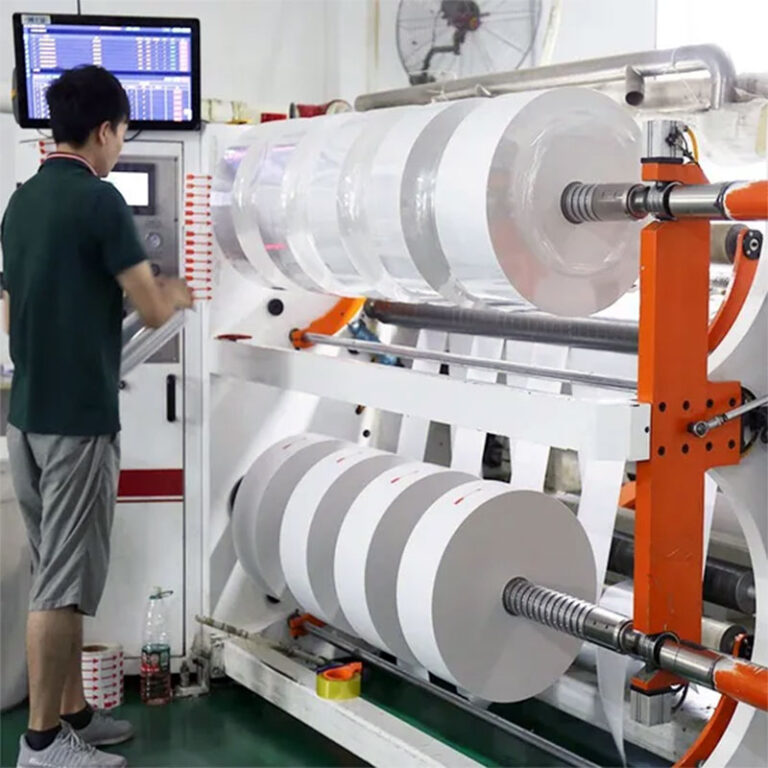
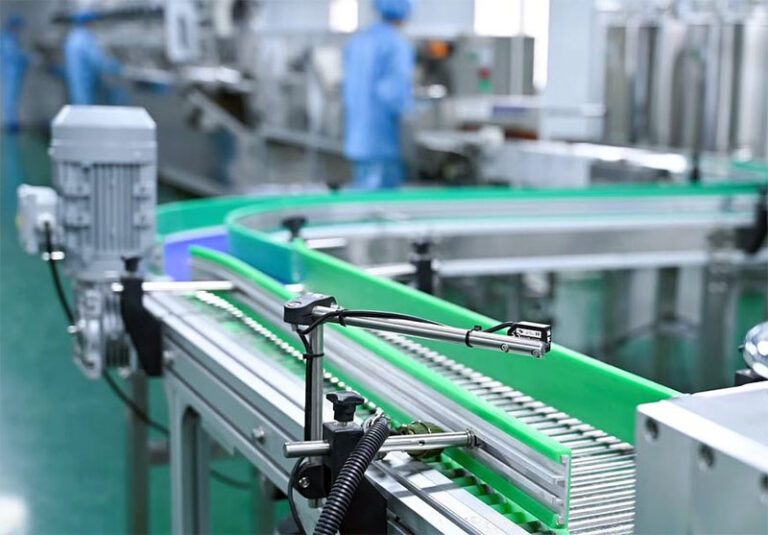
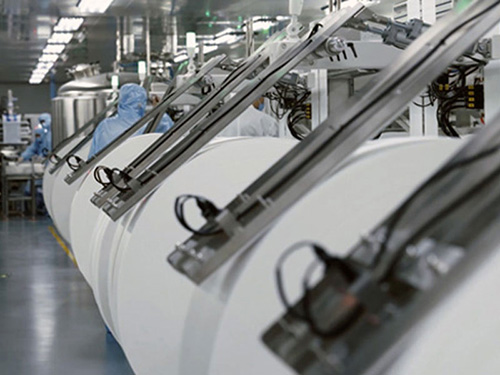
A real manufacturer is typically transparent about their production environment, including nonwoven material processing, liquid formulation systems, automated filling lines, and packaging equipment. More importantly, they are able to explain how each stage of production is controlled—from raw material selection to final sealing and microbiological testing.
This level of visibility is important because it directly affects consistency, cost efficiency, and risk control in large-scale orders.
OEM and Private Label Capability as a Growth Factor
In today’s market, most successful wet wipes brands are built on OEM or private label partnerships rather than in-house manufacturing. This means your supplier is not just producing wipes—they are helping you build a brand identity.
A capable wet wipes manufacturer should be able to support flexible development, whether you are launching baby wipes with sensitive skin formulations, disinfecting wipes for healthcare environments, or eco-friendly wipes targeting sustainability-focused consumers.
What matters most here is not only whether customization is available, but how deep that customization goes. True OEM capability includes formula development, substrate selection, fragrance control, packaging engineering, and regulatory label adaptation for different countries.
Without this level of support, it becomes difficult to differentiate your brand in competitive international markets.
MOQ, Flexibility, and Market Entry Strategy
Another key factor that often determines supplier suitability is MOQ, or minimum order quantity. For new brands, high MOQ requirements can become a barrier to entry, while overly low MOQ may indicate limited production capability.
A well-structured wet wipes manufacturer usually offers tiered production planning. This allows small trial orders for market testing while also supporting large-scale container shipments for established brands.
More importantly, flexibility in MOQ often reflects how mature the manufacturer’s production system is. A factory that can balance efficiency and customization is generally more reliable for long-term cooperation.
Formulation and Material Innovation
Wet wipes are no longer a simple commodity product. Today’s buyers are increasingly focused on performance, safety, and environmental impact.
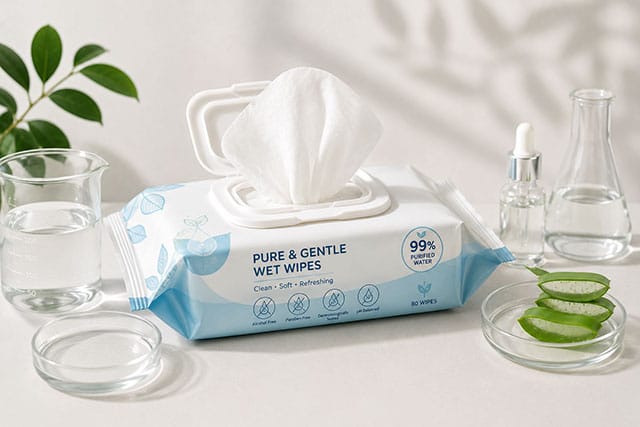
This is why formulation capability is one of the most important evaluation points. A strong manufacturer should be able to develop different formulations based on use scenarios—such as alcohol-free baby wipes, antibacterial wipes with controlled active ingredients, or biodegradable wipes designed for reduced environmental footprint.
Equally important is material selection. Substrates like spunlace nonwoven, bamboo fiber, viscose blends, and flushable cellulose-based materials are now widely used to meet different regulatory and consumer expectations.
Manufacturers with strong R&D capability are usually able to guide clients in selecting the right combination of liquid formula and base material, rather than simply producing a fixed specification.
Compliance, Certification, and Market Access
When products are exported to markets such as the United States, Europe, or the Middle East, compliance becomes a decisive factor.
Professional wet wipes manufacturers typically operate under strict quality management systems such as ISO standards and GMP-controlled environments. In addition, documentation such as MSDS, COA, and microbiological test reports is essential for customs clearance and retail distribution.
In many cases, regulatory compliance is not just about documentation—it reflects how seriously a manufacturer controls contamination risks, ingredient sourcing, and production hygiene.
Brands that overlook this area often face delays, rejections, or even market entry failure.
Quality Control and Production Stability
Consistency is one of the most important expectations in wet wipes manufacturing. Unlike many other consumer products, wet wipes rely heavily on moisture balance, sealing integrity, and microbial stability.
A reliable manufacturer will have quality control embedded at every stage of production rather than treating it as a final inspection step. This includes incoming raw material checks, in-process monitoring of liquid filling accuracy, sealing pressure testing, and final batch inspection before shipment.
For international buyers, this level of control ensures that every shipment matches previous orders, which is critical for brand trust and customer retention.
Packaging, Branding, and Retail Performance
Packaging plays a much larger role in wet wipes than many buyers initially realize. In retail environments, packaging is often the first point of consumer interaction and directly influences purchasing decisions.
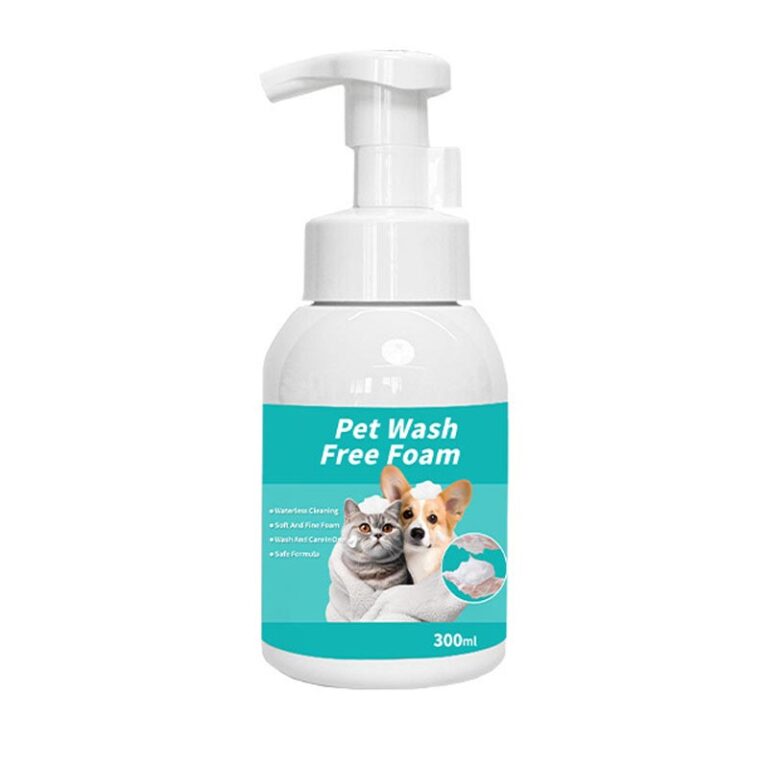
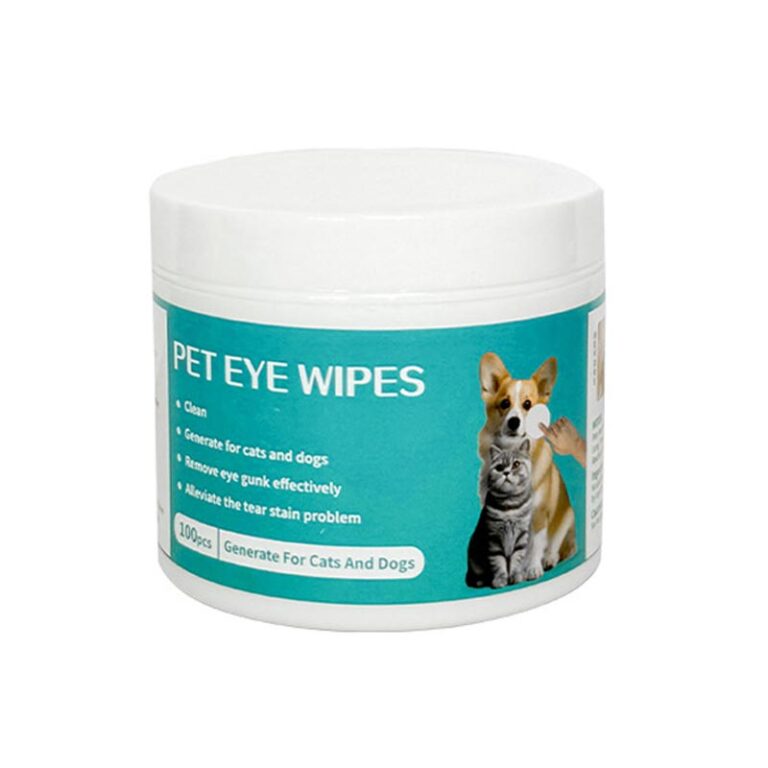
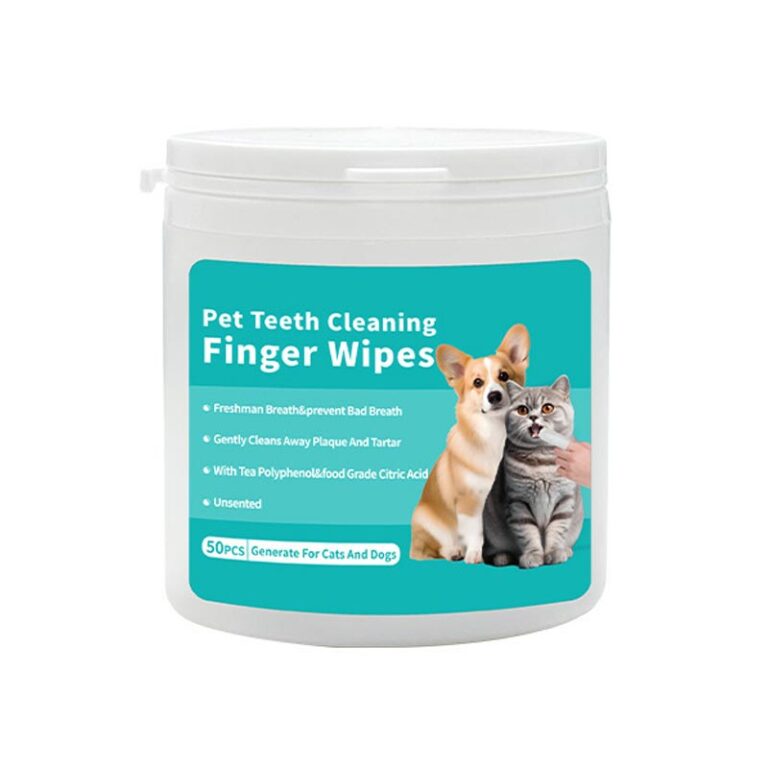
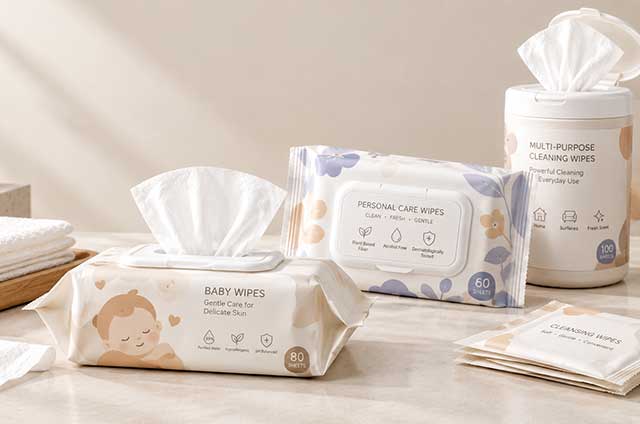
A professional manufacturer should offer multiple packaging formats such as soft packs, canisters, travel sachets, and industrial buckets. Beyond structure, customization should also include printed film design, labeling compliance, and brand positioning support.
In competitive retail markets, packaging is not just protection—it is part of the product experience.
Sampling and Pre-Production Validation
Before committing to large-scale production, sampling is a critical step that should never be skipped. Reliable manufacturers usually provide multiple sample stages, including stock samples for quick evaluation and customized samples based on your specific formula and packaging requirements.
More advanced suppliers also offer pre-production samples to ensure that mass production matches approved specifications exactly. This step significantly reduces risk and prevents costly deviations during bulk manufacturing.
Capacity, Lead Time, and Supply Reliability
As brands grow, supply chain stability becomes more important than initial pricing. A wet wipes manufacturer with strong production capacity can maintain consistent output even during peak demand periods or seasonal fluctuations.
Understanding production capacity, lead time, and scalability helps buyers avoid supply disruption risks. It also determines whether a manufacturer can support long-term brand expansion rather than just single orders.
Export Support and Logistics Capability
Finally, international buyers should evaluate how well a manufacturer supports global shipping and documentation. This includes export paperwork, labeling compliance, customs documentation, and coordination with freight forwarders.
A manufacturer with strong export experience can significantly reduce operational friction and help brands enter new markets faster and more efficiently.
Final Perspective
Selecting a wet wipes manufacturer is ultimately a strategic decision rather than a simple sourcing task. The right partner influences product quality, brand positioning, compliance success, and long-term scalability.
By asking the right questions early, buyers can clearly distinguish between basic suppliers and true manufacturing partners who are capable of supporting global brand growth.
For companies looking to develop private label wet wipes or expand OEM production capacity, working with an experienced manufacturer can significantly accelerate market entry and reduce operational risk.
Learn more about OEM wet wipes manufacturing solutions: https://sywipe.com/
Frequently Asked Questions
What should I check first when choosing a wet wipes manufacturer?
You should first confirm whether the supplier is a real manufacturer with in-house production lines, quality control systems, and R&D capability.
Can wet wipes formulas be customized for different markets?
Yes, professional wet wipes manufacturers can customize formulas based on target markets, including baby-safe, antibacterial, and eco-friendly options.
What is the typical MOQ for wet wipes production?
MOQ depends on packaging type and customization level, but most manufacturers offer flexible options for both small and large brands.
Do wet wipes manufacturers provide samples before bulk production?
Yes, samples are usually provided for testing and approval before mass production to ensure quality consistency.
How do I know if a wet wipes manufacturer is reliable for long-term cooperation?
A reliable manufacturer should have stable production capacity, export experience, certifications, and consistent quality control processes.