What Are Wet Wipes Made Of?
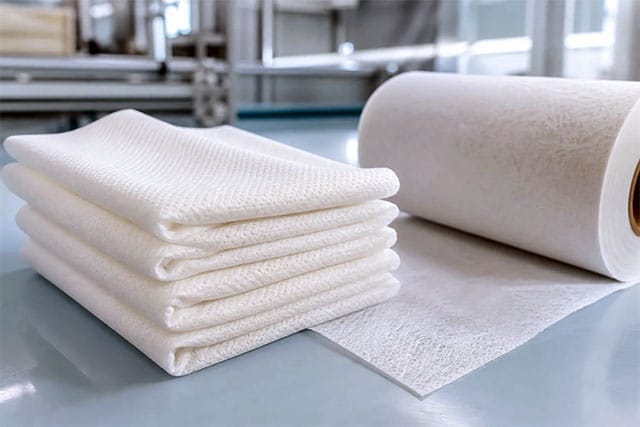
A wet wipe may look like a simple piece of moist fabric, but there is more behind it than meets the eye. The softness you feel, the strength of the sheet, the amount of liquid it holds, and the way it releases moisture during wiping all begin with one decision: what the wipe itself is made of.
So, what are wet wipes made of?
Most wet wipes consist of a nonwoven substrate that carries a liquid formulation. The substrate is usually made from natural fibers, synthetic fibers, or a blend of different fibers. The exact material depends on whether the wipe is designed for babies, personal care, household cleaning, pets, industrial applications, or another purpose.
Understanding the substrate is important because the material affects much more than sustainability. It influences softness, absorbency, wet strength, texture, thickness, and overall wiping performance.
The Nonwoven Sheet Is the Foundation
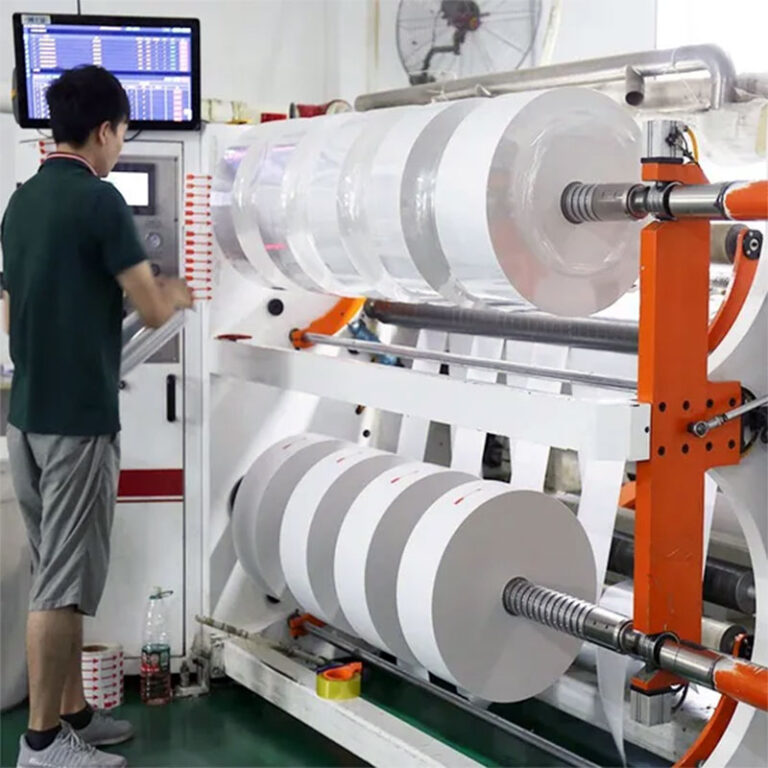
Unlike a traditional woven fabric, a nonwoven substrate is produced by bonding or entangling fibers rather than weaving yarns together.
This makes nonwoven technology particularly suitable for disposable wipes. Manufacturers can control the fiber composition, weight, texture, thickness, and strength to create a sheet with the properties required for a particular application.
When you open a pack of wet wipes, the liquid is what you notice first. But the nonwoven sheet is what determines how that liquid is held and released.
A well-designed wipe needs to absorb enough solution to remain moist while still releasing the right amount when it passes across the skin or a surface.
That balance begins with the fibers.
What Materials Are Most Commonly Used in Wet Wipes?
Material | Source | Softness | Strength | Biodegradable |
Viscose | Wood Pulp | Excellent | Good | Yes |
Polyester | Synthetic Fiber | Good | Excellent | No |
Polypropylene | Synthetic Fiber | Moderate | Excellent | No |
Cotton | Natural Cotton Fiber | Excellent | Good | Yes |
Bamboo Fiber | Bamboo Pulp | Excellent | Good | Yes |
Lyocell | Wood Pulp | Excellent | Excellent | Yes |
Each material offers different advantages. Some prioritize softness and skin comfort, while others focus on durability, cost efficiency, or environmental performance. The choice of material ultimately depends on the intended application of the wet wipe and the expectations of the target market.
For brands looking to develop customized products, working with an experienced OEM wet wipes manufacturer can help identify the most suitable material based on product performance, budget, and sustainability goals.
Natural Fibers Used in Wet Wipes
Many wet wipes use fibers derived from natural or renewable sources, particularly when softness, absorbency, or a more plant-based product concept is important.
Viscose
Viscose is a regenerated cellulose fiber widely used in nonwoven wipes.
It is known for its softness, absorbency, and ability to create a comfortable wiping texture. Depending on the blend and production method, viscose can be used in baby wipes, personal care wipes, and other applications where softness and liquid management matter.
Lyocell
Lyocell is another regenerated cellulose fiber. It is valued for its soft feel, strength, and absorbency.
For premium wipes, lyocell can be particularly interesting because it can provide a combination of softness and durability while supporting a cellulose-based material story.
Bamboo Fiber
Bamboo-derived cellulose fibers are increasingly used in wipes positioned around plant-based materials and sustainability.
The important point is that “bamboo” can refer to different forms of fiber processing, so brands should always understand the actual substrate specification rather than relying only on the marketing name.
Wood Pulp and Cellulose
Wood pulp and other cellulose-based fibers are widely used where absorbency and dispersibility are important.
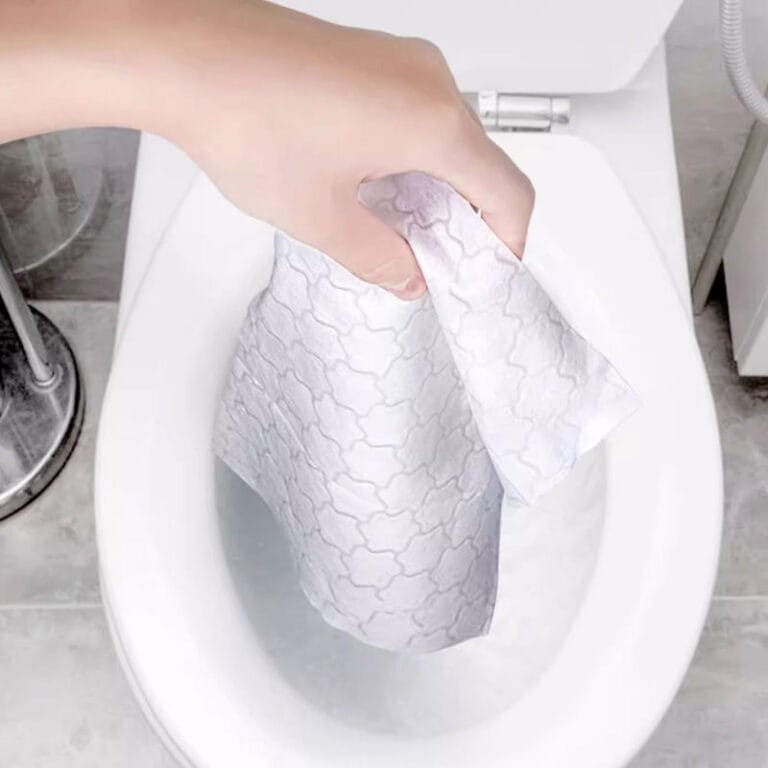
Cellulose is particularly relevant to flushable wipe development because fiber selection and bonding technology can influence how a wipe behaves after disposal. However, material composition alone does not determine whether a product is genuinely flushable; the finished product needs to meet the appropriate performance requirements.
Cotton
Cotton can provide a soft, familiar natural-fiber feel and may be selected for certain premium or skin-contact products.
Its use depends on the desired balance between softness, absorbency, strength, cost, and product positioning.
Synthetic Fibers Are Also Used
Not every wet wipe is made entirely from plant-based fibers.
Synthetic fibers such as polyester and polypropylene can provide properties that are difficult to achieve with some natural fibers alone.
They can improve wet strength, durability, processing characteristics, and resistance to tearing. This can be particularly useful for industrial, household, or specialty wipes where the sheet needs to remain strong during demanding use.
Some products therefore use blended substrates rather than a single fiber.
A blend allows manufacturers to combine different characteristics. One fiber may contribute softness and absorbency, while another provides strength and structural stability.
This is why asking whether a wet wipe is “natural” or “synthetic” does not always tell the full story. The more useful question is whether the selected substrate provides the right performance for its intended application.
Why Fiber Blends Matter
Imagine a baby wipe made from a material that is extremely strong but feels rough.
It might perform well mechanically, but it would not create the experience parents expect from a baby product.
Now imagine a cleaning wipe that is extremely soft but tears as soon as it becomes wet.
Again, the material would not match the application.
Fiber blending helps manufacturers find the middle ground.
A substrate can be designed around several performance factors, including softness, absorbency, wet strength, thickness, liquid retention, texture, and cost.
For brands developing a new product, choosing the right wet wipes materials is therefore one of the earliest and most important product-development decisions.
Spunlace Is Commonly Used for Wet Wipes
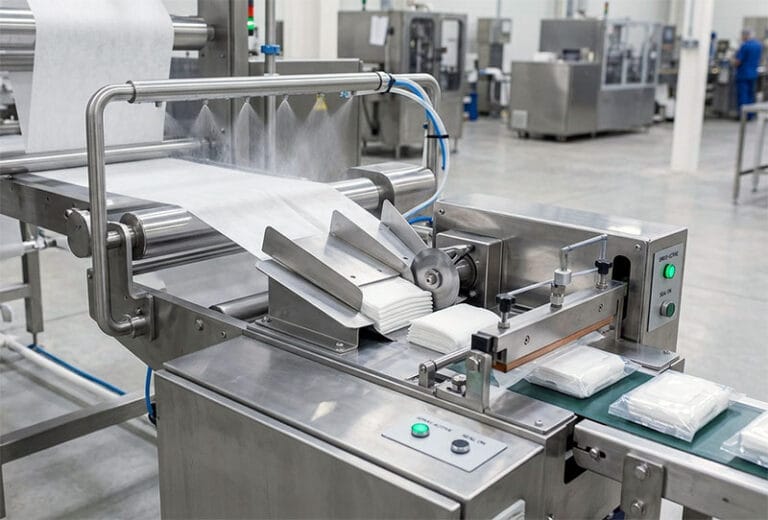
Many wet wipes use spunlace nonwoven technology.
In spunlace production, high-pressure water jets entangle fibers to form a coherent nonwoven sheet. The resulting material can provide a soft textile-like feel while maintaining useful strength and absorbency.
Spunlace is particularly versatile because manufacturers can work with different fiber combinations and basis weights to create substrates for different applications.
The final texture can also vary depending on how the nonwoven is engineered.
That is why two wipes can both be described as “spunlace” while feeling completely different in the hand.
What About the Liquid Inside?
The nonwoven sheet is only one part of a wet wipe.
A finished wipe also contains a liquid formulation, which may include purified water, cleansing agents, humectants, preservatives, pH adjusters, fragrance, botanical ingredients, or other functional components.
However, the formula is a separate subject from the physical material of the wipe.
If you want to understand what goes into the liquid formulation and why those ingredients are used, see our guide to wet wipe ingredients.
Keeping the substrate and liquid formulation separate is useful when developing a product because each solves a different problem.
The substrate determines how the wipe behaves physically.
The formulation determines what the liquid does.
Together, they create the finished product.
Different Wipes Need Different Materials
There is no universal “best” wet wipe material.
A baby wipe may prioritize softness and gentle skin contact. A makeup wipe may need a smooth surface and good liquid release. A pet wipe may require a combination of softness and durability. A household wipe may prioritize cleaning performance and wet strength. An industrial wipe may need to withstand repeated wiping against oils, grease, or other residues.
Flushable wipes introduce another layer of complexity because dispersibility and wastewater-system performance become important considerations.
This is why material selection should begin with the application rather than with a trend.
A brand that starts with “We want bamboo” still needs to ask:
What texture do we need? How much liquid should the wipe hold? How strong should it be when wet? How should it dispose? What regulations apply to the target market?
Those questions lead to a much more reliable material decision.
Thickness and Basis Weight Also Matter
Fiber type is only part of the substrate specification.
The weight of the nonwoven, often expressed as grams per square meter (gsm), can affect the thickness, coverage, absorbency, and perceived quality of the wipe.
A lightweight wipe may be suitable for simple everyday cleaning, while a heavier substrate may be preferred for premium personal care products or applications requiring greater coverage.
Texture also matters.
A smooth sheet can create a different wiping experience from an embossed or textured substrate. Some textures are designed to improve cleaning efficiency, while others are chosen primarily for sensory appeal.
The right combination depends on how the finished product is expected to perform.
Material Selection Starts With the End User
The best wet wipe is not necessarily the softest, thickest, or most sustainable material available.
It is the material that performs the intended job reliably while meeting the product’s cost, regulatory, packaging, and positioning requirements.
For a private label brand, this means the material conversation should happen early in development.
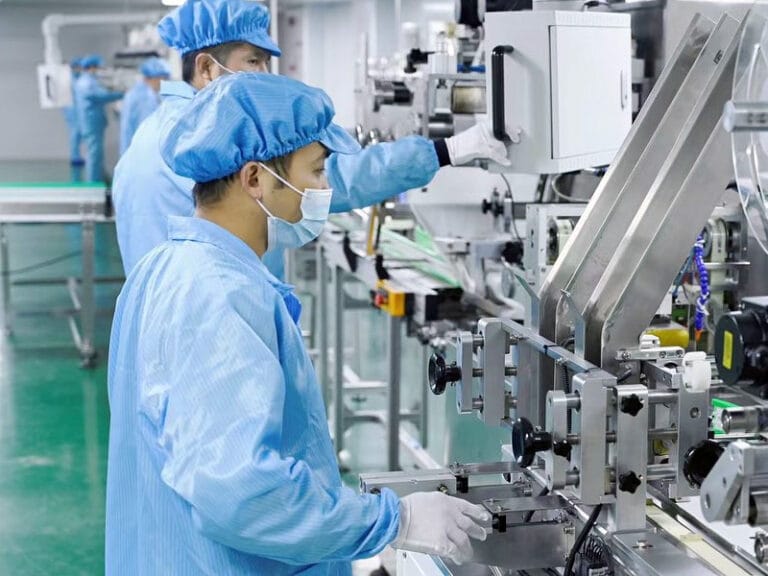
A manufacturer can compare different fibers and blends, produce samples, test liquid absorption and release, evaluate wet strength, and help determine which substrate best matches the product concept.
At SYWIPE, material selection can be developed alongside formulation and packaging as part of a customized private label wet wipes solution.
Frequently Asked Questions About Wet Wipe Materials
Are wet wipes made of cotton?
Some wet wipes can contain cotton, but many use other natural, regenerated cellulose, synthetic, or blended fibers. The material depends on the product’s intended use.
Are all wet wipes made from plastic?
No. Some wipes use cellulose-based or other plant-derived fibers, while others contain synthetic fibers such as polyester or polypropylene. Blended substrates are also common.
What is the softest material for wet wipes?
There is no single material that is always the softest. Fiber type, blend ratio, basis weight, bonding method, and finishing technology can all affect how a wipe feels.
What material is used for flushable wipes?
Flushable wipes generally rely on dispersible cellulose-based fiber systems, but fiber composition alone does not establish flushability. The finished product needs to meet the relevant performance requirements.
Does wet wipe material affect absorbency?
Yes. Fiber characteristics, basis weight, structure, and bonding can all affect how much liquid a wipe holds and how it releases that liquid during use.
The Material Shapes the Experience
When people think about wet wipes, they often think about the liquid first. Yet the sheet underneath that liquid plays an equally important role.
It determines whether the wipe feels soft or textured, tears easily or stays strong, absorbs quickly or releases moisture readily, and feels lightweight or substantial in the hand.
That is why wet wipe development begins with understanding the material.
Once the right substrate has been selected, the next question becomes equally important: what ingredients should the liquid contain?