Which Company’s Wipes Are Best? What Really Determines Quality
Which Company’s Wipes Are Best? Looking Beyond the Brand Name
When consumers search online for which company’s wipes are best, they usually expect to see a list of famous brands. Household names dominate search results, and marketing often makes it seem as though the logo on the package tells the whole story.
Yet after spending years working with retailers, distributors, and private label brands around the world, one fact becomes increasingly clear: the company printed on the label is rarely the whole story.
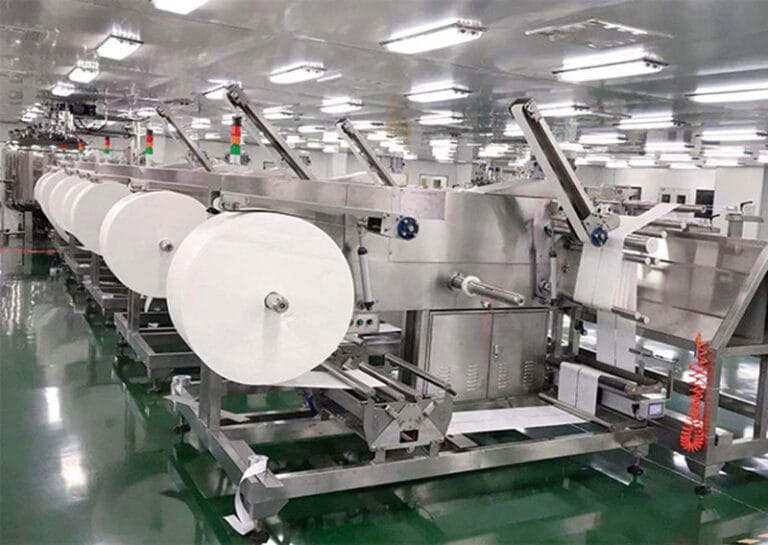
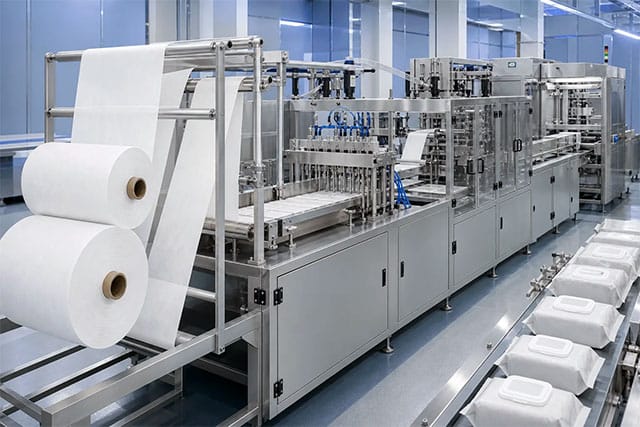
Many of today’s best-selling wet wipes are not manufactured by the brands that sell them. Instead, they are produced by experienced OEM manufacturers that specialize in developing formulations, selecting premium materials, maintaining strict quality control, and manufacturing millions of packs every year for different markets.
This is why experienced buyers rarely begin by asking, “Which brand is the best?” Instead, they ask a much more important question:
Who actually manufactures the product, and how is it made?
Understanding that difference makes it much easier to identify truly high-quality wipes, whether you’re purchasing baby wipes for your family or sourcing private label products for your business.
The Brand on the Package Doesn’t Tell the Whole Story
Walk into any supermarket and you’ll find dozens of wipes that look remarkably similar.
Some carry premium prices. Others cost half as much. Their packaging varies dramatically, yet once opened, many are surprisingly alike.
This isn’t a coincidence.
Across the hygiene industry, numerous retail brands partner with professional manufacturers to produce their wipes. One factory may manufacture products for multiple brands using different formulas, fabrics, packaging designs, and quality specifications.
That’s why experienced importers spend less time comparing logos and more time evaluating manufacturing capability.
They understand that softness, durability, moisture retention, ingredient safety, and long-term consistency are determined during production—not in the marketing department.
If you’re interested in understanding how manufacturers maintain consistent quality from sampling through mass production, learning the OEM wet wipes manufacturing process provides valuable insight into every stage of production.
What Makes One Wet Wipe Better Than Another?
Two wipes may appear almost identical, yet perform very differently once they’re used.
The biggest differences usually begin with the material itself.
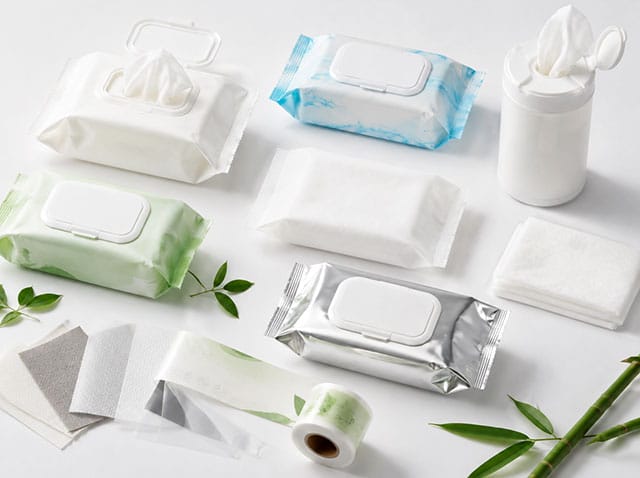
Premium wipes often use high-quality spunlace nonwoven fabric, bamboo fiber, cellulose, or Lyocell because these materials offer a better balance of softness, absorbency, and strength. A well-designed wipe stays intact during use, holds moisture longer, and feels gentle even on sensitive skin.
Water quality is equally important. Since wet wipes are composed primarily of purified water, advanced filtration systems and carefully balanced formulations have a direct impact on safety and skin compatibility. Manufacturers that invest in multi-stage water purification and laboratory testing generally produce more consistent products than factories relying on basic processing systems.
Packaging also plays a larger role than many consumers realize. Even an excellent formulation loses its value if the package allows moisture to evaporate after repeated opening. Better sealing systems help maintain freshness throughout the product’s shelf life, ensuring the final wipe performs as intended.
Ultimately, product quality is rarely determined by a single feature. Instead, it results from thousands of manufacturing decisions made before the product ever reaches a store shelf.
Choosing the Best Baby Wipes Means Looking Beyond “Sensitive Skin”
For parents, safety naturally comes first.
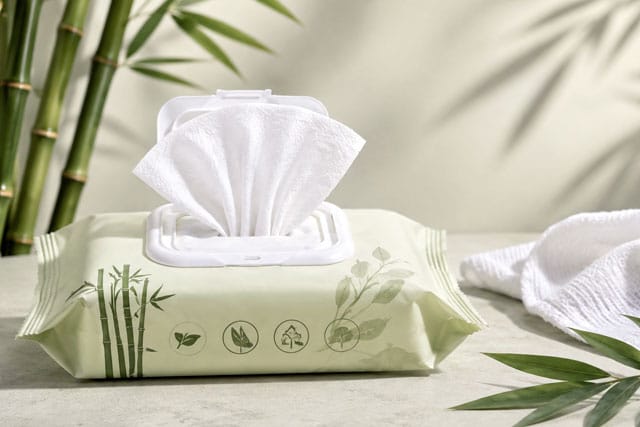
The best baby wipes aren’t necessarily those with the most recognizable packaging or the highest price tag. Instead, they combine gentle ingredients with soft nonwoven fabrics, high water content, and formulations specifically designed for delicate skin.
Many brands also prefer alcohol-free and fragrance-free formulas, especially for newborns.
From a manufacturing perspective, consistency is equally important. Every production batch should meet the same quality standards, ensuring parents receive the same reliable product each time they purchase it.
For brands planning to develop their own baby care products, partnering with an experienced baby wipes manufacturer makes it possible to customize formulations, packaging, fabric selection, and certifications based on different market requirements.
Flushable Wipes Require More Than Strong Cleaning Performance
Flushable wipes have become one of the fastest-growing categories in personal hygiene, but they also present unique manufacturing challenges.
Consumers expect a wipe that remains durable during use while breaking down more effectively after flushing. Achieving this balance requires carefully engineered cellulose-based materials, specialized production technology, and extensive performance testing.
As environmental awareness continues to increase, retailers are also placing greater emphasis on sustainability, wastewater compatibility, and compliance with regional regulations.
Working with a professional flushable wipes manufacturer helps brands develop products that meet both consumer expectations and industry standards while reducing potential regulatory risks.
Why More Brands Are Choosing Private Label Manufacturing
One of the biggest changes in today’s wipes industry isn’t the emergence of new materials or packaging innovations.
It’s the rapid growth of private label brands.
Retailers, distributors, supermarkets, and e-commerce companies increasingly recognize that manufacturing their own branded wipes offers greater flexibility than simply reselling established products.
Private label manufacturing allows businesses to choose fabrics, ingredients, fragrances, packaging formats, and even sustainability features that match their target customers.
Perhaps more importantly, it gives companies greater control over pricing, product differentiation, and long-term brand development.
Many successful wipes brands that consumers recognize today actually began by working with a professional private label wet wipes manufacturer, leveraging existing manufacturing expertise instead of investing millions in building their own factories.
What Professional Buyers Notice Before Consumers Ever See the Product
Consumers typically evaluate wipes after opening the package.
Professional buyers begin much earlier.
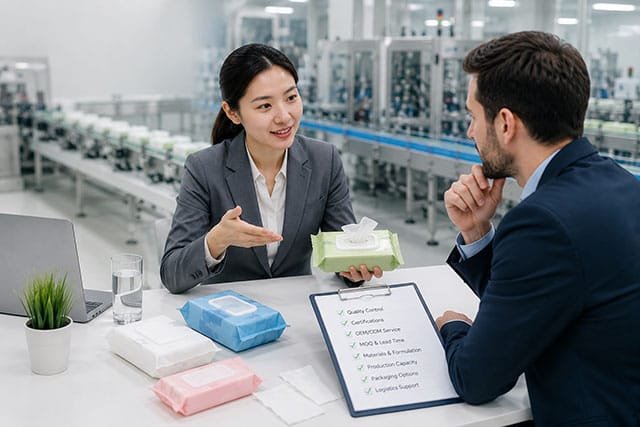
Before approving a supplier, experienced importers often visit manufacturing facilities, review production lines, examine laboratory testing procedures, inspect water purification systems, and evaluate quality management documentation.
They know that consistent performance depends on stable raw material sourcing, standardized manufacturing procedures, and reliable quality control—not simply attractive packaging.
These behind-the-scenes details rarely appear in advertisements, yet they often determine whether a product builds long-term customer loyalty or generates complaints.
This is why selecting the right manufacturing partner has become one of the most important business decisions for retailers entering the wet wipes market.
The Best Wipes Are Built on Manufacturing Excellence
So, which company’s wipes are truly the best?
There is no universal answer because different applications require different priorities. Parents may value softness and skin safety above all else. Healthcare professionals focus on hygiene and material performance. Retailers often balance quality, pricing, and supply reliability, while environmentally conscious consumers increasingly look for sustainable materials and responsible manufacturing practices.
What all high-quality wipes have in common, however, is a strong manufacturing foundation.
Behind every reliable product are carefully selected raw materials, purified water systems, validated formulations, modern production equipment, and rigorous quality control procedures. These are the factors that determine whether a wipe consistently delivers the performance consumers expect.
Rather than judging a product solely by its logo or advertising, it is far more meaningful to understand how it is made and who manufactures it. For businesses developing their own products, working with an experienced wet wipes manufacturer provides the flexibility to create customized solutions while maintaining consistent quality and supply.
In the end, the best wipes are defined not by the brand printed on the package, but by the expertise, technology, and manufacturing standards behind every sheet.