Who Made Wet Wipes? A Brief History of Wet Wipes

It is difficult to imagine modern life without wet wipes. Whether tucked inside a diaper bag, placed on an office desk, carried in a backpack, or stocked in a hospital ward, wet wipes have become one of the most familiar hygiene products in the world. Their convenience has changed the way people clean, care for their families, and maintain hygiene both at home and on the go.
Yet behind this everyday product lies a question that many consumers and business buyers still ask: Who made wet wipes?
The answer is not as straightforward as naming a single inventor or company. Unlike many consumer products, wet wipes were the result of decades of innovation in healthcare, materials science, and manufacturing technology. Their story reflects how changing lifestyles created demand for faster, safer, and more convenient hygiene solutions, eventually giving rise to one of the fastest-growing sectors in the global personal care industry.
For distributors, retailers, and entrepreneurs planning to launch their own product lines, understanding this history also provides valuable insight into how the modern wet wipes market operates today.
From Reusable Cloths to Disposable Hygiene
Before wet wipes existed, cleaning usually meant using reusable cloths together with soap and water. Parents cleaned babies with soft towels, hospitals relied on washable fabrics for patient care, and travelers carried handkerchiefs instead of disposable products. While these methods were effective, they were not always convenient, especially outside the home.
The situation began to change during the middle of the twentieth century as disposable medical products became increasingly common. At the same time, manufacturers were developing lightweight nonwoven fabrics that were softer, cleaner, and more economical than traditional textiles. When these new materials were combined with gentle cleansing solutions and sealed in moisture-proof packaging, they created the foundation for the modern wet wipe.
Initially, these products were designed to simplify infant care. Parents quickly recognized the convenience of pre-moistened disposable wipes, particularly when traveling or changing diapers away from home. As consumer acceptance grew, manufacturers realized that the same technology could be adapted for many other hygiene applications.
The Growth of a Global Industry
No single company can accurately claim to have invented the modern wet wipe. Instead, several consumer goods and healthcare companies played important roles in bringing disposable moist wipes to the market. During the 1950s, 1960s, and the decades that followed, companies such as Kimberly-Clark, Procter & Gamble, and Johnson & Johnson helped introduce wet wipes to millions of households through baby care and personal hygiene products.
As demand increased, wet wipes gradually moved beyond nurseries and bathrooms. They became common in hospitals, restaurants, hotels, airlines, schools, fitness centers, and workplaces. What had started as a niche convenience product evolved into an essential part of everyday hygiene around the world.
Today, the market continues to expand as consumers seek products that are safer, more convenient, and tailored to specific lifestyles.
Behind Every Brand Is a Manufacturer
Although consumers usually recognize the brand printed on the packaging, many do not realize that the products are often manufactured by specialized factories rather than by the brand owners themselves.
Modern brands frequently work with an experienced wet wipes manufacturer to develop products that match their quality standards, target markets, and regulatory requirements. This manufacturing model allows companies to focus on branding, marketing, and distribution while relying on dedicated production facilities for large-scale manufacturing.
For this reason, professional OEM factories have become an essential part of today’s global wet wipes supply chain.
How Wet Wipes Are Manufactured Today
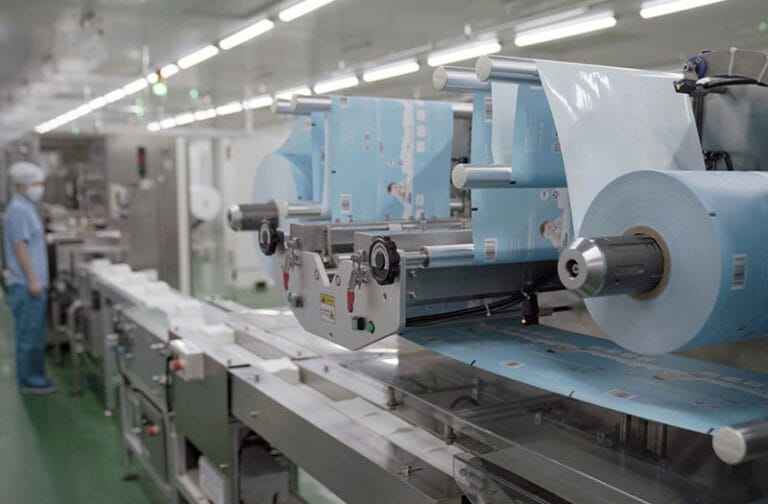
The production of wet wipes has advanced significantly over the past several decades. Modern manufacturing facilities operate highly automated production lines capable of converting nonwoven fabrics into finished products with remarkable speed and consistency.
The process begins with carefully selected nonwoven materials, followed by purified water treatment and precise formulation of cleansing solutions. The fabric is evenly saturated before being folded, cut, sealed, and packaged under controlled hygienic conditions. Throughout production, manufacturers perform extensive quality inspections to verify moisture consistency, microbial safety, sealing performance, and overall product quality.
Understanding the complete wet wipes manufacturing process helps buyers evaluate whether a supplier has the technical capabilities to deliver reliable products for international markets.
The Rise of Private Label Manufacturing
Another major shift has transformed the industry in recent years. Instead of building expensive production facilities, many retailers, distributors, e-commerce businesses, and startup brands now partner with OEM manufacturers to develop customized wet wipes under their own brand names.
This approach significantly reduces investment costs while giving businesses access to experienced product development teams, advanced production equipment, regulatory expertise, and flexible packaging solutions.
Working with a professional private label wet wipes manufacturer enables companies to customize formulations, packaging designs, wipe sizes, fragrances, and material selections without having to establish their own factories. As a result, private label manufacturing has become one of the primary growth drivers of the global wet wipes industry.
Wet Wipes Continue to Evolve
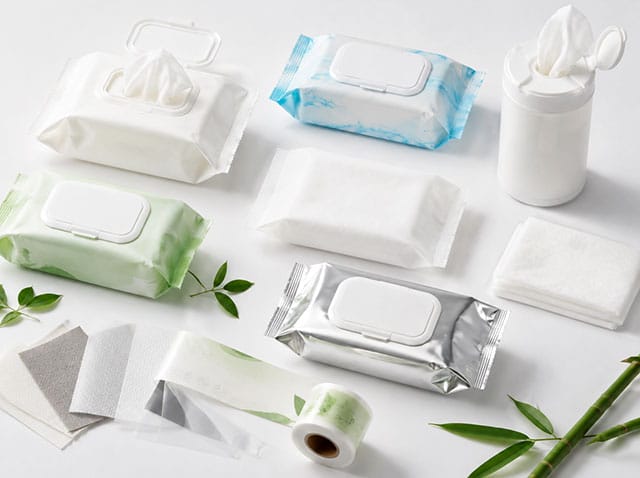
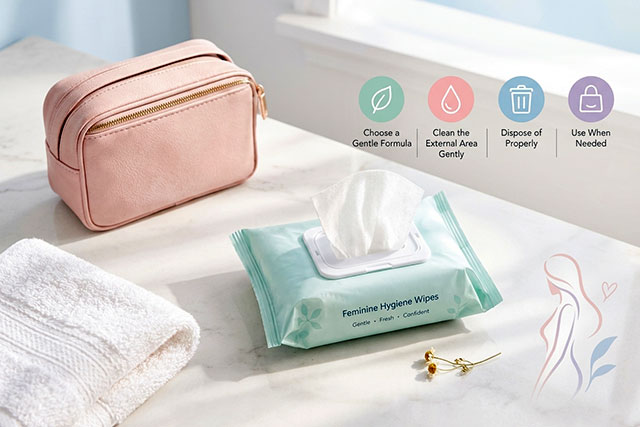
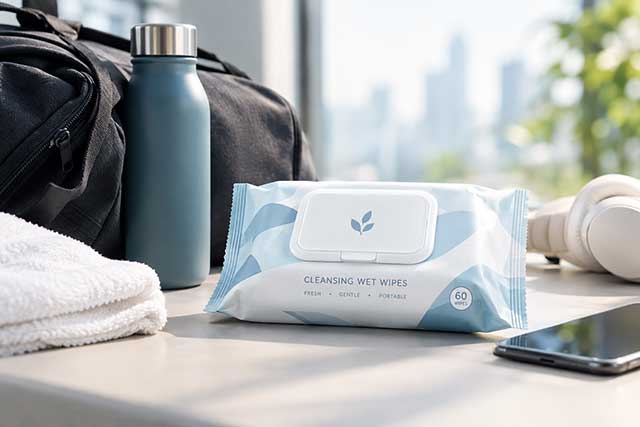
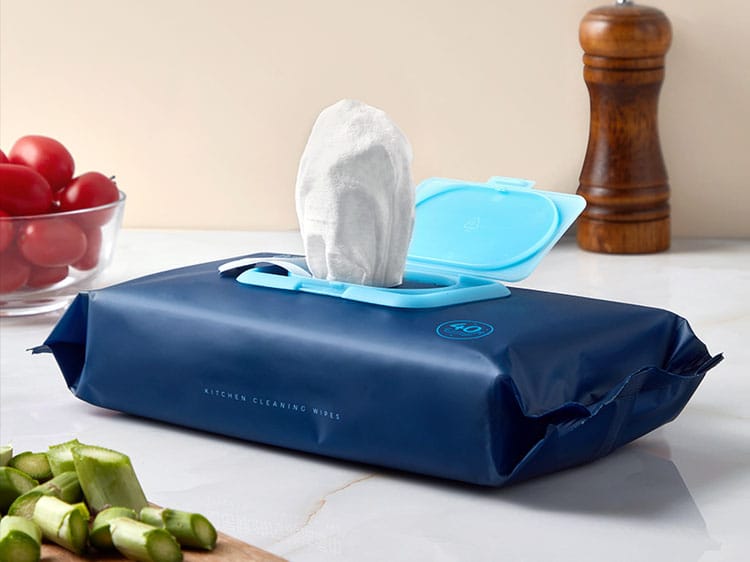
Although baby wipes remain one of the largest product categories, today’s market has expanded far beyond infant care. Wet wipes are now developed for facial cleansing, makeup removal, toilet hygiene, pet care, household cleaning, healthcare, hospitality, food service, and industrial maintenance.
Each application requires different substrate materials, formulations, and packaging formats. Manufacturers continuously invest in research and development to create products that meet changing consumer expectations while complying with increasingly strict international regulations.
Environmental sustainability has become another important driver of innovation. Around the world, consumers are looking for plastic-free materials, biodegradable fibers, responsibly sourced raw materials, and environmentally friendly packaging. As a result, manufacturers continue developing products that balance convenience with environmental responsibility without compromising performance.
Why the Manufacturer Matters
For businesses sourcing wet wipes, choosing the right manufacturing partner often has a greater impact than choosing the lowest price.
An experienced manufacturer helps ensure consistent product quality, stable production capacity, reliable delivery schedules, regulatory compliance, and effective quality management. These factors directly influence customer satisfaction and long-term brand reputation, especially in competitive international markets.
As global demand for hygiene products continues to grow, manufacturers are no longer simply producing wet wipes—they are helping brands develop safer, more innovative, and more sustainable products for consumers around the world.
Frequently Asked Questions
Who invented wet wipes?
Wet wipes were developed gradually through innovations in disposable nonwoven materials and hygiene products rather than being invented by a single individual or company.
Which company first made wet wipes?
Several companies contributed to the commercial development of wet wipes, with Kimberly-Clark, Procter & Gamble, and Johnson & Johnson playing important roles in popularizing them for consumers.
What are modern wet wipes made from?
Most wet wipes are produced from nonwoven fabrics combined with purified water and carefully formulated cleansing solutions designed for specific applications.
Why do many brands use OEM manufacturers?
OEM manufacturers provide specialized production capabilities, quality control systems, regulatory expertise, and customization services that allow brands to launch products without investing in their own factories.
Final Thoughts
The history of wet wipes is ultimately the story of how innovation transformed a simple cleaning cloth into one of the world’s most widely used hygiene products. What began as a practical solution for baby care has grown into a diverse global industry serving healthcare, hospitality, personal care, industrial cleaning, and countless other markets.
For today’s businesses, understanding who made wet wipes is only part of the story. Equally important is recognizing how modern manufacturing has evolved. Behind many successful brands is an experienced manufacturing partner capable of delivering consistent quality, supporting product innovation, and adapting to changing market demands. As hygiene standards continue to rise worldwide, that partnership will remain one of the key factors shaping the future of the wet wipes industry.