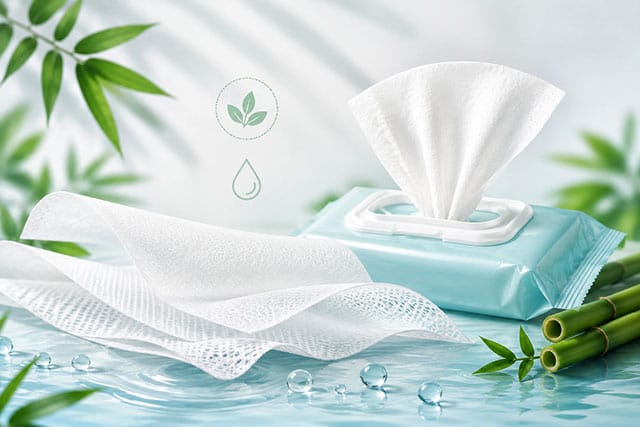
What Types of Wet Wipes Packaging Materials Are Available?
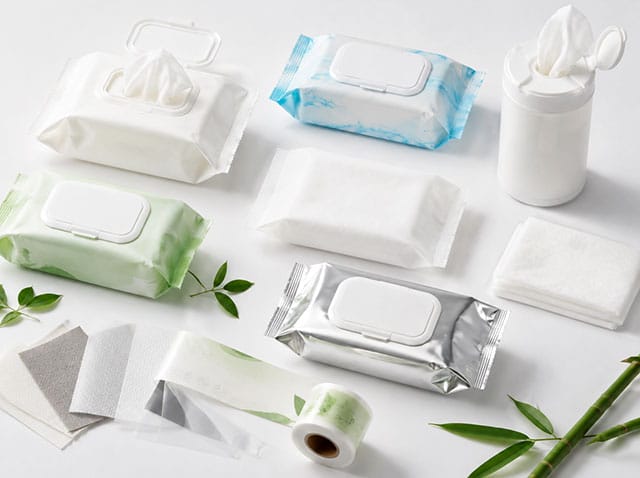
When brands begin developing a new wet wipes product, packaging is often one of the last elements they consider. The formula, fragrance, and wipe substrate usually receive more attention at the beginning. However, packaging plays a critical role in protecting product quality and creating a successful consumer experience.
A wet wipes package does much more than simply contain the product. It helps maintain moisture, protects the formula from external factors, supports transportation, and influences how customers perceive the brand.
Working with an experienced wet wipes manufacturer can help brands evaluate packaging materials, product requirements, and manufacturing solutions from the early development stage.
For companies entering the wet wipes market, selecting the right packaging material is not only about appearance. It requires a balance between product protection, cost efficiency, sustainability goals, and customer expectations.
So, what types of wet wipes packaging materials are commonly used, and how can brands choose the right option for their products?
Why Packaging Materials Matter for Wet Wipes
Wet wipes are different from many other consumer products because they contain moisture-based solutions. Without suitable packaging, wipes can lose moisture, experience formula changes, or fail to maintain the quality customers expect.
The packaging structure needs to create a reliable barrier that protects the wipes throughout production, storage, transportation, and daily use.
For example, baby wipes usually require packaging that communicates safety and freshness, while industrial cleaning wipes may need stronger structures that can withstand frequent handling.
This is why packaging selection should always be connected with the product category, target market, and overall brand positioning.
A successful wet wipes product is created when the wipe material, formula, and packaging work together as one complete solution.
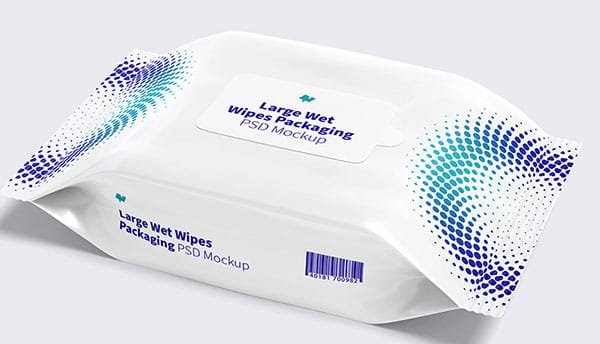
Common Types of Wet Wipes Packaging Materials
Wet wipes packaging is usually produced using different film structures. Each material offers unique characteristics in terms of protection, appearance, flexibility, and cost.
The best choice depends on the product application, required shelf life, market positioning, and sustainability objectives.
Polypropylene (PP) Packaging Film
Polypropylene, commonly known as PP, is one of the most widely used materials for wet wipes packaging.
Its popularity comes from its excellent balance of strength, flexibility, and moisture resistance. PP packaging can provide reliable sealing performance, helping prevent moisture loss and keeping wipes fresh during storage.
Because of its durability and cost efficiency, PP is commonly used for everyday consumer products such as baby wipes, personal care wipes, and household cleaning wipes.
For brands producing large-volume products, PP packaging offers practical advantages. It is lightweight, suitable for high-speed production, and provides a good surface for customized printing.
However, traditional PP is produced from fossil-based resources. Brands focusing strongly on sustainability may consider alternative materials or packaging structures with lower environmental impact.
PET/PE Laminated Packaging
PET/PE is a multi-layer packaging structure that combines polyester (PET) with polyethylene (PE) to improve overall packaging performance.
The PET layer provides strength, durability, and a high-quality printing surface, while the PE layer provides flexibility and reliable heat sealing.
This structure is often selected by brands that want both strong product protection and a premium appearance.
PET/PE packaging is commonly used for higher-end wet wipes products, including facial wipes, makeup remover wipes, and personal care wipes where packaging appearance is an important part of the customer experience.
Compared with standard single-layer films, laminated structures generally provide better barrier protection against moisture and oxygen, although they may involve higher production costs.
OPP/PE Laminated Packaging
OPP/PE is another popular laminated packaging option used in the wet wipes industry.
The OPP outer layer provides a smooth and glossy surface, helping brands create attractive packaging designs that stand out on retail shelves. The PE inner layer supports sealing performance and helps maintain product freshness.
This packaging structure is suitable for consumer products where both visual appeal and practical performance are important.
Many brands choose OPP/PE packaging when they want a lightweight solution with excellent printing quality and a more premium shelf appearance.
Aluminum Foil/PE Packaging
For products requiring stronger protection, aluminum foil laminated packaging provides a higher barrier solution.
The aluminum layer helps block light, oxygen, and external environmental factors that may affect product quality over time.
This type of packaging is often used for premium products or applications where maintaining freshness and formula stability is especially important.
The main advantage of aluminum foil packaging is its excellent protection performance. It helps reduce moisture loss and provides strong preservation during storage and transportation.
However, aluminum-based structures usually have higher material costs and require careful consideration when brands evaluate sustainability goals.
PE (Polyethylene) Packaging Film
Polyethylene, known as PE, is an important material commonly used in wet wipes packaging structures.
Because PE offers excellent flexibility and heat-sealing performance, it is often used as the inner sealing layer in laminated packaging such as PET/PE and OPP/PE.
PE helps create a strong seal that keeps moisture inside the package while maintaining convenience for consumers.
Its reliability, affordability, and processing efficiency make it an essential component in many wet wipes packaging solutions.
Sustainable and Biodegradable Packaging Materials
Sustainability has become an increasingly important topic for wet wipes brands worldwide.
As consumers become more environmentally conscious, many companies are exploring packaging options made from renewable or bio-based materials.
Materials such as PLA and plant-based solutions derived from resources like bamboo or sugarcane are being considered as alternatives to traditional plastic packaging.
These materials can support brands that want to develop more environmentally responsible product lines.
However, sustainable packaging requires careful evaluation. The material must still provide sufficient moisture protection, durability, and shelf-life performance.
For eco-friendly wet wipes, packaging decisions should be considered together with the selection of sustainable wipe substrates. Learn more about available wet wipes materials and how different materials support product development.
Choosing the Right Packaging Format for Wet Wipes
Besides packaging materials, the format of the package also affects product performance and consumer convenience.
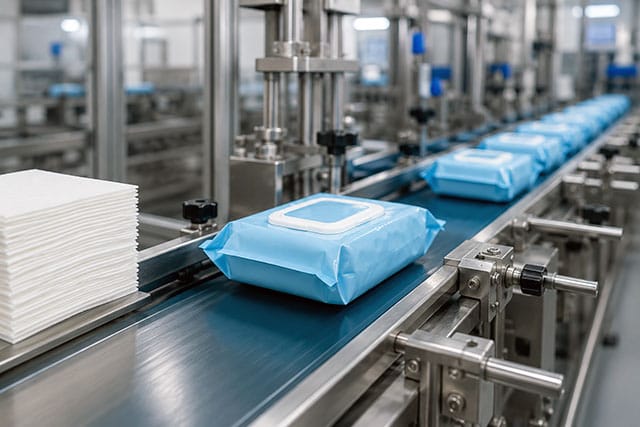
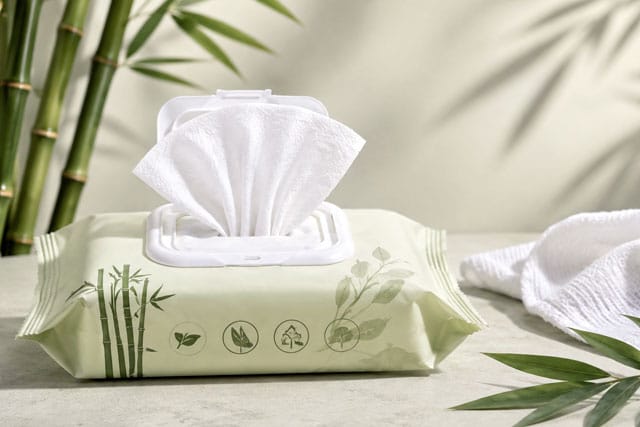
Soft packs remain one of the most common choices because they are lightweight, easy to transport, and suitable for a wide range of products.
Flip-top packs provide additional convenience because consumers can repeatedly open and close the package while helping maintain freshness.
For household and industrial applications, canisters and tubs are often preferred because they offer durability and larger capacity.
Refill packaging is also becoming more popular as brands look for solutions that combine convenience, cost efficiency, and sustainability.
How Brands Select the Best Wet Wipes Packaging Solution
Choosing packaging materials is an important part of wet wipes product development, but it is only one step in creating a successful product.
Brands also need to consider material compatibility, production capability, quality control, and market requirements.
An experienced manufacturing partner can help evaluate different packaging structures and recommend solutions based on product goals.
At SYWIPE, we support global brands with customized wet wipes development, including packaging selection, product customization, and large-scale manufacturing.
From initial concept to finished product, our team helps brands create reliable wipes solutions that meet different market expectations.
Explore our OEM wet wipes manufacturing services to learn how we support customized product development from idea to production.
Frequently Asked Questions About Wet Wipes Packaging Materials
What is the most common material used for wet wipes packaging?
PP, PE, and laminated structures such as PET/PE and OPP/PE are commonly used because they provide good moisture protection, durability, and cost efficiency.
Can wet wipes packaging be customized?
Yes. Brands can customize packaging materials, printing designs, pack sizes, closures, and formats according to their product positioning and target customers.
Which packaging is best for biodegradable wet wipes?
The best option depends on the product requirements. Sustainable packaging should provide environmental benefits while still maintaining moisture protection and product quality.
What packaging options are available for private label wet wipes?
Private label products can use different packaging formats, including soft packs, flip-top packs, tubs, refill packs, and customized structures. Learn more about our private label wet wipes solutions for customized product development.
Final Thoughts
Wet wipes packaging is more than a protective layer. It is an important part of product quality, brand identity, and consumer experience.
The right packaging material helps maintain freshness, improve usability, and support long-term product success.
By understanding different packaging options and working with an experienced wet wipes manufacturer, brands can make better decisions and develop products that meet both market demands and customer expectations.