How to Properly Use Feminine Hygiene Wipes?
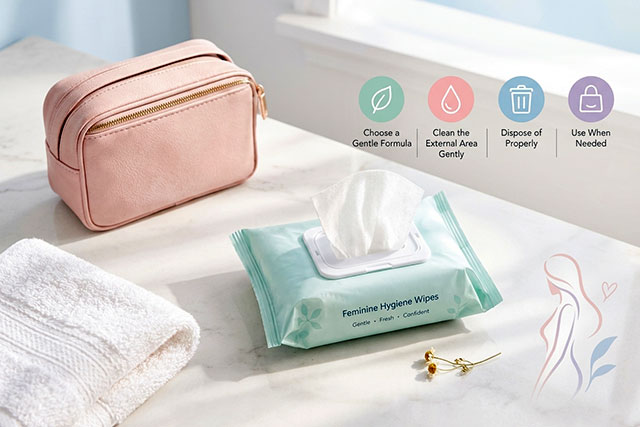
Feminine hygiene wipes offer a convenient way to freshen up during menstruation, after exercise, or when traveling without easy access to water. However, using them correctly matters more than using them frequently. Choosing a suitable formula, cleaning the external intimate area gently, and avoiding unnecessary products can help reduce the risk of irritation.
For everyday intimate care, feminine wipes should be treated as an optional cleansing product, not a medical treatment or a replacement for normal hygiene. Understanding when to use them, which ingredients to consider, and when to stop using them can help consumers make more informed choices.
What Are Feminine Hygiene Wipes?
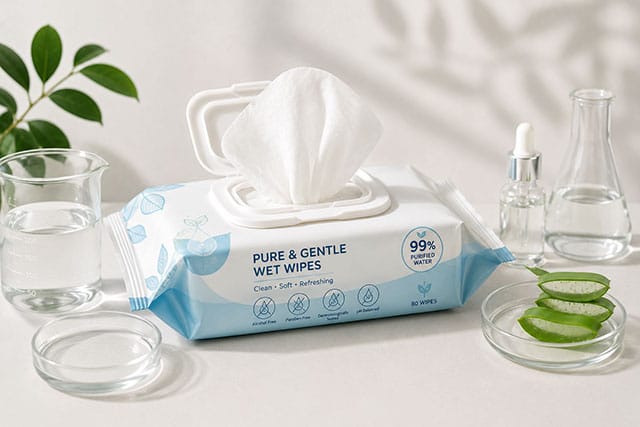
Feminine hygiene wipes are pre-moistened wipes intended for external intimate cleansing. Depending on the product, they may contain purified water, cleansing ingredients, moisturizers, preservatives, and fragrance.
They are commonly used during menstruation, after physical activity, or while traveling. Some products are individually wrapped for portability, while others come in resealable packs for convenient use at home or on the go.
Not all wipes are designed for the same purpose. Products labeled for feminine hygiene should be used according to their instructions and should not be assumed to be suitable for internal vaginal cleansing.
How to Use Feminine Hygiene Wipes Safely
1. Choose a Suitable Formula
Check the ingredient list before using a new product. Fragrance-free wipes may be a better starting point for people with sensitive skin or a history of irritation from fragranced personal care products.
Avoid assuming that words such as “natural,” “herbal,” or “antibacterial” automatically mean a wipe is safer or more effective. The complete formulation and intended use are more important than individual marketing claims.
If you want to understand how product formulation differs from everyday usage, read our guide to pH-balanced feminine wipes. A pH-balanced label alone does not guarantee that a product will suit every individual or prevent an intimate health condition.
2. Clean the External Area Gently
Use the wipe only on the external area specified by the manufacturer. Wipe gently without scrubbing or repeatedly rubbing the same area.
When cleaning after using the toilet, wiping from front to back is a sensible hygiene practice. Do not insert wipes into the vagina or use them for internal cleansing.
If the skin is already irritated, broken, or inflamed, avoid applying products that may worsen the discomfort unless a healthcare professional has recommended them.
3. Use Wipes Only When Needed
Feminine wipes can be useful when showering or washing with water is not immediately practical. For example, they may be convenient during a long journey, after exercise, or when changing menstrual products away from home.
They are not essential for every daily hygiene routine. When water is available, gently washing the external area is generally sufficient. Excessive cleansing and douching are unnecessary and may contribute to irritation.
If a wipe causes itching, burning, redness, or discomfort, stop using it. Persistent irritation, unusual discharge, or a change in vaginal odor should not be managed simply by using more wipes; consult a qualified healthcare professional.
4. Dispose of Used Wipes Responsibly
Place used wipes in a waste bin unless the product is specifically verified for flushing and local wastewater guidance permits it. Even wipes marketed as flushable may contribute to plumbing or sewer problems.
For travel packs and individually wrapped wipes, dispose of the used material and wrapper according to local waste requirements. Do not assume that a biodegradable or plant-based wipe is suitable for flushing or home composting without appropriate product-specific evidence.
When Are Feminine Hygiene Wipes Useful?
The main advantage of feminine wipes is convenience. They can be carried in a handbag, gym bag, or travel kit and used when access to water is limited.
During menstruation, they may offer a convenient way to freshen up when changing menstrual products. After exercise, they can provide an option for external cleansing before showering. During travel, individually wrapped wipes may be easier to carry and keep separate from other personal items.
However, wipes should not be used to mask persistent odor or other symptoms. These may have causes that require professional assessment rather than additional cleansing.
What Should You Look for When Choosing Feminine Wipes?
The right product depends on the intended use, personal sensitivity, and formulation.
Ingredients: Review the full ingredient list and avoid known personal irritants. Fragrance-free options may be preferable for sensitive skin.
Texture: A soft, low-abrasion substrate can make external cleansing more comfortable. The wipe should remain suitable for its intended use without excessive friction.
Moisture retention: Packaging should help prevent wipes from drying out during normal storage and use. Resealable packs and individually wrapped formats serve different consumer needs.
Product claims: Claims such as “pH-balanced,” “dermatologically tested,” or “biodegradable” should be supported by appropriate evidence. None of these terms alone proves that a wipe prevents infection or is suitable for every user.
Instructions and disposal: Choose a product with clear directions, ingredient information, and disposal guidance.
How Brands Can Develop Feminine Hygiene Wipes
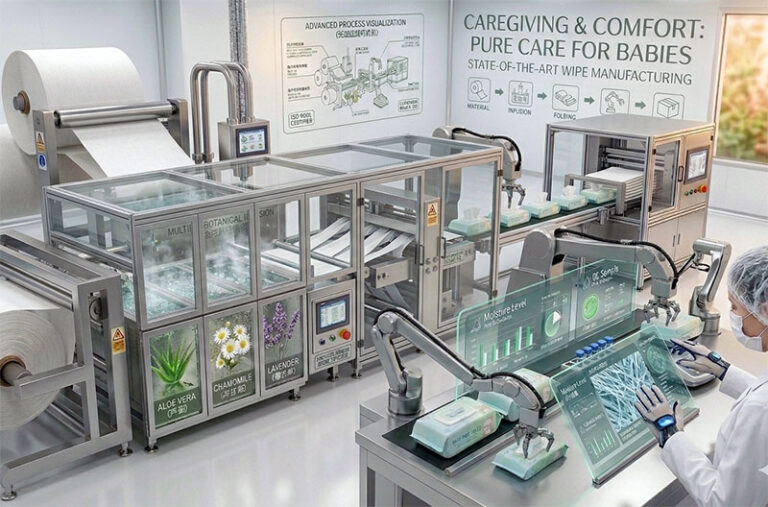
For personal care brands, feminine hygiene wipes require careful consideration of formula, substrate, packaging, intended use, and destination-market requirements.
A product development process may include evaluating ingredient compatibility, formula stability, pH, microbiological quality, packaging integrity, and shelf-life performance. These factors should be assessed according to the product specification and applicable requirements rather than relying on general claims about intimate health.
Brands planning a new product line can work with an experienced manufacturer on wet wipes product development to assess formula and material options before moving to mass production.
Packaging also influences the consumer experience. Individually wrapped wipes may suit travel and hospitality markets, while resealable packs can be practical for retail products. The final format should reflect the intended application, product stability, and customer expectations.
For businesses looking to launch or expand an intimate care range, private label wet wipes offer a route to developing branded products around defined specifications, packaging preferences, and target-market needs. Any product claims should be reviewed and substantiated before commercial launch.
Frequently Asked Questions
Can feminine hygiene wipes be used inside the vagina?
No. Wipes intended for external intimate cleansing should not be inserted into the vagina. The vagina cleans itself naturally, and internal cleansing is generally unnecessary.
Are fragrance-free feminine wipes better for sensitive skin?
Fragrance-free products may reduce exposure to fragrance-related irritants, but they cannot guarantee that a product will suit everyone. Check the ingredients and discontinue use if irritation occurs.
Can feminine wipes replace washing with water?
They can be convenient when water is unavailable, but they are not a necessary replacement for normal external washing. Avoid excessive cleansing.
Can feminine hygiene wipes prevent vaginal infections?
Do not assume that feminine wipes prevent or treat vaginal infections. A wipe is a personal care product, not a substitute for appropriate medical assessment or treatment.
Can feminine wipes be flushed down the toilet?
The safest general practice is to place used wipes in a waste bin unless the product and local wastewater guidance specifically support flushing.
Final Thoughts
Feminine hygiene wipes can be a useful convenience during menstruation, exercise, or travel. Choose a suitable formula, use it gently on the external area, follow the manufacturer’s directions, and dispose of used wipes responsibly.
For brands developing intimate care products, clear specifications, appropriate testing, and accurate product claims are essential. A well-developed wipe should meet its intended use without relying on unsupported promises about intimate health.