How Baby Wipes Balance Cleaning Power and Skin Comfort?
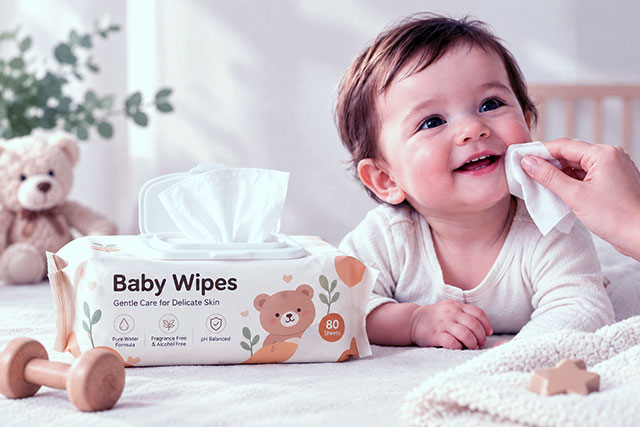
A good baby wipe needs to do two things well: remove everyday messes and feel comfortable on delicate skin. From milk residue around the mouth to food smears on little hands and messes during diaper changes, different cleaning situations place different demands on the wipe.
For brands developing baby care products, the challenge is finding the right balance between cleansing performance, softness, moisture, and formulation. The best solution is not necessarily the wipe with the strongest cleansing ingredients or the thickest fabric. Instead, it is a product designed around its intended use.
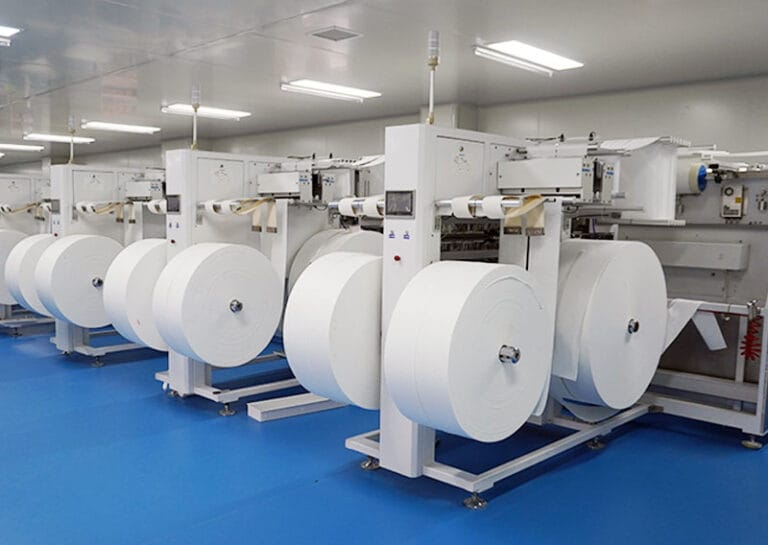
As a baby wipes manufacturer, SYWIPE supports customized product development for brands looking to create baby wipes with suitable materials, mild formulations, and packaging options for their target markets.
Why Cleaning Performance Matters in Baby Wipes
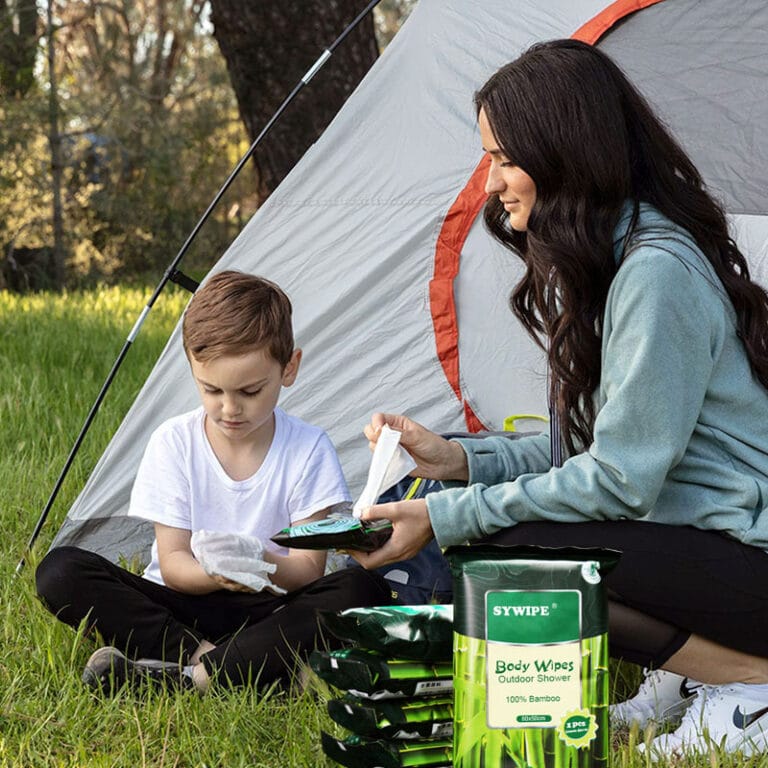
Everyday baby care involves a variety of messes. Milk and formula residue may dry around the mouth, while pureed food can leave sticky marks on hands and faces. During diaper changes, wipes need to remove residue without requiring excessive rubbing.
Cleaning performance depends on more than the liquid formula alone. The fabric’s texture, absorbency, moisture level, and ability to hold together during use all contribute to the overall experience.
A wipe that is too dry may drag across the skin and require repeated passes. A soft, adequately moistened wipe can help loosen residue while allowing the user to clean with less friction. A durable sheet also makes it easier to manage messes without tearing during use.
These details matter when developing products for frequent everyday cleaning. Brands should evaluate the finished wipe as a complete product rather than judging performance by the ingredient list alone.
How Baby Wipe Formulas Support Gentle Cleaning
Baby wipe formulations are generally developed to provide effective cleansing while maintaining a comfortable skin feel. Purified water commonly forms the base of the liquid, while selected functional ingredients help achieve the desired cleansing performance, preservation, and product stability.
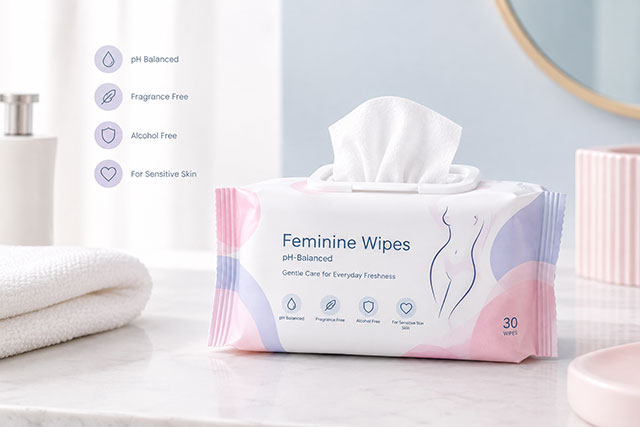
For brands targeting newborns or consumers who prefer simpler formulations, fragrance-free and alcohol-free options may be appropriate, depending on the product concept and market requirements.
Some formulations may also include ingredients such as glycerin or selected skin-conditioning ingredients. Their suitability depends on the complete formula, intended use, ingredient compatibility, and applicable safety requirements.
Adding more ingredients does not automatically make a wipe better. A well-developed formula needs to perform consistently, remain compatible with the nonwoven fabric and packaging, and maintain appropriate microbiological quality throughout its intended shelf life.
For sensitive-skin product lines, brands can work with a specialist in sensitive baby wipes to define suitable formula and material requirements.
Why Wipe Material Makes a Difference
The fabric is another important part of the cleaning experience. Two baby wipes may use similar liquid formulas but feel quite different because their materials, thickness, and surface textures are not the same.
Softness matters when wipes are used repeatedly on delicate skin. At the same time, the sheet needs sufficient strength to withstand pulling, folding, and wiping without tearing easily.
Viscose, bamboo fiber, cotton, and other nonwoven material options can offer different combinations of softness, absorbency, strength, and sustainability characteristics. The most suitable choice depends on the intended product positioning, technical specifications, and target market.
For example, a premium baby care range may prioritize a soft, cloth-like feel, while a value-focused retail product may need to balance comfort with material cost and pack size.
Brands developing new products should assess softness, wet strength, liquid retention, and dispensing performance together. Reviewing wet wipes materials and packaging options can help clarify the available choices before finalizing a specification.
Finding the Right Moisture Level
Moisture affects how a wipe performs during everyday cleaning. When a sheet is insufficiently moistened, removing dried or sticky residue may require more effort. Excess liquid, however, can make handling less convenient and may leave the skin feeling overly wet.
The objective is to achieve an appropriate and consistent moisture level for the product’s intended use.
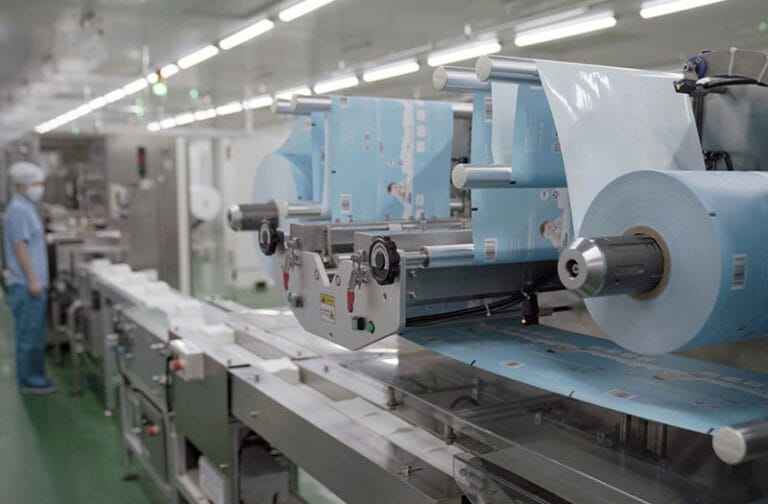
Packaging also plays a role. A reliable seal helps reduce moisture loss after opening, while a practical dispensing design makes it easier to remove one sheet at a time. If wipes dry out too quickly or several sheets come out together, even a well-designed formula can deliver a disappointing user experience.
During product development, brands should therefore evaluate the formula, fabric, sheet count, folding method, and package structure as a connected system.
What Should Brands Evaluate Before Launching Baby Wipes?
For brands, retailers, and distributors, selecting baby wipes involves more than comparing price per pack. The product must meet the expectations of its intended customers while remaining suitable for the target market.
Start by defining the primary use. A daily diaper-change wipe may require a different balance of softness, moisture, and cleansing performance from a product positioned for quick hand and face cleaning.
Next, establish the formula and material requirements. Consider fragrance-free options, the preferred fabric, sheet dimensions, texture, and liquid loading. These decisions should be based on the product concept rather than assumptions that one specification works for every market.
Sample evaluation is an important next step. Test the wipes against representative everyday messes, assess how the fabric feels when wet, and check whether the sheets remain intact during use. Packaging should also be reviewed for sealing, dispensing, and moisture retention.
Finally, confirm the relevant safety, quality, labeling, and regulatory requirements for the destination market before production. Claims about skin suitability, hypoallergenic properties, or environmental benefits should be supported by appropriate evidence.
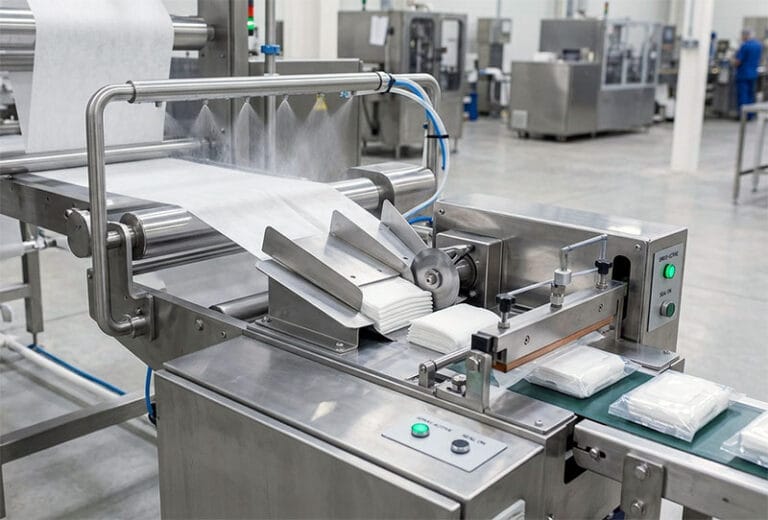
At SYWIPE, wet wipes product development can support brands in discussing formulation, material selection, testing, and production requirements for customized baby wipes.
Developing Baby Wipes for Different Markets
There is no single specification that suits every baby wipes brand. Some markets prioritize fragrance-free formulas and simple ingredient profiles. Others place greater emphasis on plant-based materials, larger sheet sizes, convenient packaging, or competitive retail pricing.
Private label development allows brands to define these priorities before moving into production. Formula, fabric, dimensions, sheet count, and packaging can be considered together to create a product that fits the intended market and distribution channel.
The goal is to develop a wipe that cleans everyday messes effectively, feels comfortable during use, and performs consistently from the first sheet to the last.
For businesses planning a new baby care range or improving an existing product, SYWIPE provides customized baby care wipes solutions for different product specifications and private label requirements.
Frequently Asked Questions
What makes a baby wipe effective at removing sticky residue?
Cleaning performance depends on the combination of liquid formula, fabric texture, moisture level, and sheet strength. An adequately moistened wipe with suitable fabric properties can help loosen everyday residue without requiring excessive rubbing.
Are fragrance-free baby wipes better for sensitive skin?
Fragrance-free products may suit families who prefer to avoid added fragrance, particularly when choosing wipes for delicate skin. However, fragrance-free does not automatically mean hypoallergenic or guarantee that a product will suit every baby. The complete formulation and relevant safety assessments matter.
Which material is suitable for private label baby wipes?
Viscose, bamboo fiber, cotton, and other nonwoven materials may be considered depending on the desired softness, absorbency, strength, sustainability goals, and cost. Brands should evaluate samples against their product requirements before confirming the final specification.
Can baby wipes be customized for different retail markets?
Yes. Depending on the manufacturer’s capabilities, brands can customize formula, fabric, sheet dimensions, sheet count, packaging, and branding. Requirements should be confirmed against the intended market and applicable regulations.
Create Your Baby Wipes Product with SYWIPE
Developing successful baby wipes requires a balance of cleansing performance, material selection, formulation, and packaging. By defining these requirements early and evaluating finished samples carefully, brands can build a product that meets their customers’ expectations.
Contact SYWIPE to discuss your baby wipes concept, preferred specifications, and private label manufacturing requirements.