What Wipes Are Safe for Dogs and Cats?
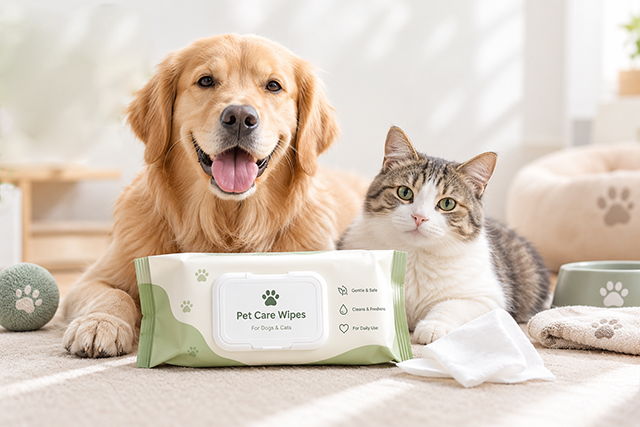
Wet wipes can make everyday pet care easier. They are useful for removing mud from paws, cleaning surface dirt from fur, and freshening up pets after walks or outdoor activities. However, not every wipe is suitable for animals. Products designed for human skin or household surfaces may contain ingredients that are inappropriate for pets or certain body areas.
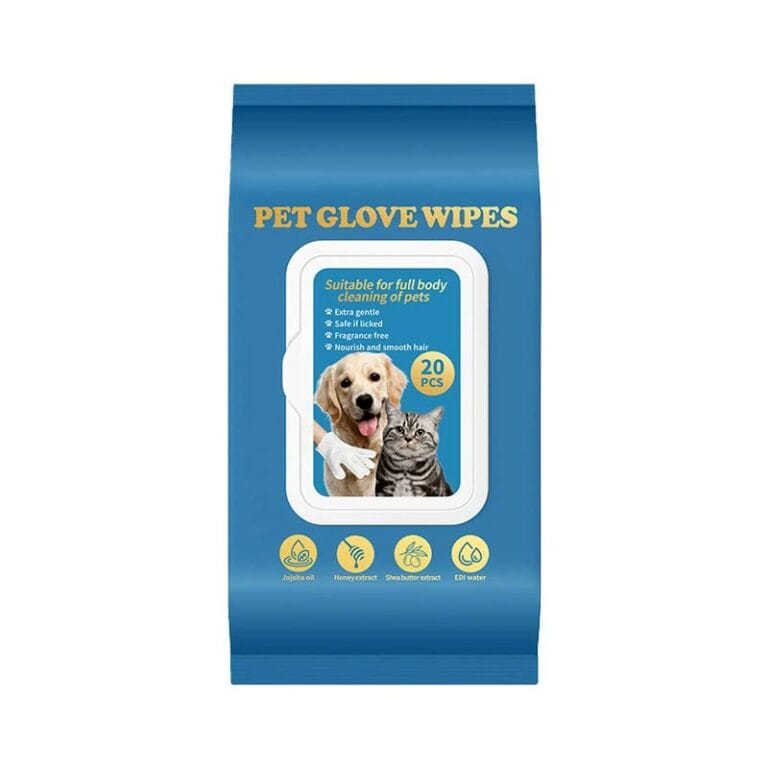
So, what wipes are safe for dogs and cats? The best choice is a product specifically formulated for the intended animal and cleaning purpose, with clearly listed ingredients and clear directions for use. A wipe suitable for cleaning paws may not be appropriate for the eyes, ears, or mouth.
Understanding these differences helps pet owners choose suitable products and gives pet care brands a clearer foundation for developing products for different cleaning needs.
What Makes Pet Wipes Safe for Dogs and Cats?
The first consideration is the product’s intended use. Some pet wipes are designed for general grooming, while others are made specifically for paws, eye-area cleaning, ear care, or dental hygiene. These products should not be treated as interchangeable.
Before using a wipe, check the label for the intended animal, permitted application areas, ingredient information, and directions. A clearly labeled product makes it easier to determine whether it fits your pet’s routine.
The formula also matters. Fragrance-free wipes may be a practical option for pets that react to scented products, but fragrance-free does not automatically mean irritation-free. Similarly, claims such as natural, hypoallergenic, or alcohol-free should not replace a review of the complete ingredient list and intended application.
Material quality is another consideration. The wipe should be soft enough for its intended use and strong enough to clean without excessive rubbing. A product designed for paws and fur may have different material requirements from one intended for a delicate external area.
Can You Use Baby Wipes or Household Wipes on Pets?
Human baby wipes are not automatically suitable for dogs and cats. Their formulas are developed for human skin, and their ingredients, fragrance systems, and intended applications may differ from those of pet-specific products.
Household disinfecting wipes are a different category. They are designed for cleaning surfaces rather than direct application to an animal’s body. Do not use them on your pet’s paws, fur, face, or other body areas unless the product explicitly authorizes that use.
The same principle applies to antibacterial wipes. A claim about antibacterial performance does not establish that a product is suitable for every animal or body area. Always follow the product label and avoid using products outside their intended purpose.
For ordinary dirt on paws or fur, a clean, soft cloth dampened with water may be a reasonable alternative when a suitable pet wipe is unavailable. Use gentle movements and avoid rubbing irritated skin. If your pet has a wound, persistent redness, swelling, or other signs of a skin problem, seek veterinary advice rather than relying on routine cleaning wipes.
Which Ingredients Should You Check in Pet Wipes?
Reading the ingredient list is more useful than relying on a single marketing claim. Pet wipes may contain cleansing agents, preservatives, fragrances, moisturizers, and other ingredients. Their suitability depends on the complete formulation, concentration, intended application, and the individual animal.
Fragrance and essential oils
Scented formulas may not suit every pet, particularly animals with sensitive skin or a history of reactions. Essential oils should not be assumed safe simply because they are plant-derived. Choose products specifically formulated for the intended animal and use.
Alcohol
Alcohol serves different purposes in different products. A human alcohol wipe should not be assumed suitable for pet grooming or sensitive skin. Check the label and avoid applying products that are not intended for the relevant body area.
Cleansing agents and preservatives
These ingredients can help remove dirt and maintain product stability during storage. Their suitability depends on the specific ingredients and finished formulation, not simply on whether an ingredient belongs to a particular category.
Moisturizing ingredients
Some pet wipes contain ingredients such as glycerin or aloe vera. However, the presence of a moisturizing ingredient does not guarantee that the finished product is suitable for every pet or sensitive area.
If your pet has allergies, a skin condition, or a history of reactions to grooming products, consult a veterinarian before introducing a new formula. Stop using a wipe if redness, itching, swelling, or other signs of irritation appear.
How to Choose Wipes for Different Body Areas
One of the most common mistakes in pet hygiene is assuming that a general-purpose wipe can be used everywhere. Different body areas have different cleaning requirements, so the product should match the intended application.
Paws and fur
Pet grooming wipes can help remove ordinary surface dirt after walks, outdoor play, or contact with muddy ground. Choose a product intended for paws or fur, wipe gently, and dry the paws when needed. Avoid using wipes on cuts or inflamed skin unless a veterinarian has confirmed that the product is appropriate.
Around the eyes
The eye area requires particular care. Use only products specifically labeled for the intended eye-area application, and follow the instructions closely. Do not wipe the surface of the eyeball or allow unsuitable cleansing solutions to enter the eyes. Persistent discharge, redness, squinting, or swelling should be assessed by a veterinarian.
Outer ears
Products designed for external ear-area cleaning are different from general grooming wipes. Do not insert wipes into the ear canal. Unusual odor, discharge, repeated scratching, or frequent head shaking may indicate a problem that needs veterinary attention.
Teeth and gums
Dental wipes are intended for oral hygiene and should be selected according to the intended animal and use. Ordinary body wipes should not be substituted for products designed for the mouth. Dental wipes may support a hygiene routine, but they do not replace veterinary dental examinations or professional treatment when necessary.
Rear-end cleaning
Some pet wipes are designed for external cleaning around the rear end after toileting. Use only a suitable product, avoid contact with internal tissues, and follow the label directions. Persistent soiling, diarrhea, pain, or irritation may require veterinary advice.
Choosing wipes according to their intended use helps prevent unsuitable applications and makes everyday pet care more manageable.
How to Use Pet Wipes Safely
Even a product formulated for pets should be used according to its instructions.
Start by confirming that the wipe is suitable for your animal and the intended body area. When introducing a new product, use it cautiously and observe your pet for signs of irritation. Stop using it if an adverse reaction occurs.
Use a fresh wipe when moving between dirty areas, and avoid transferring dirt or discharge toward the eyes, mouth, or other sensitive areas. Do not use a wipe on broken or inflamed skin unless a veterinarian has advised that the product is appropriate.
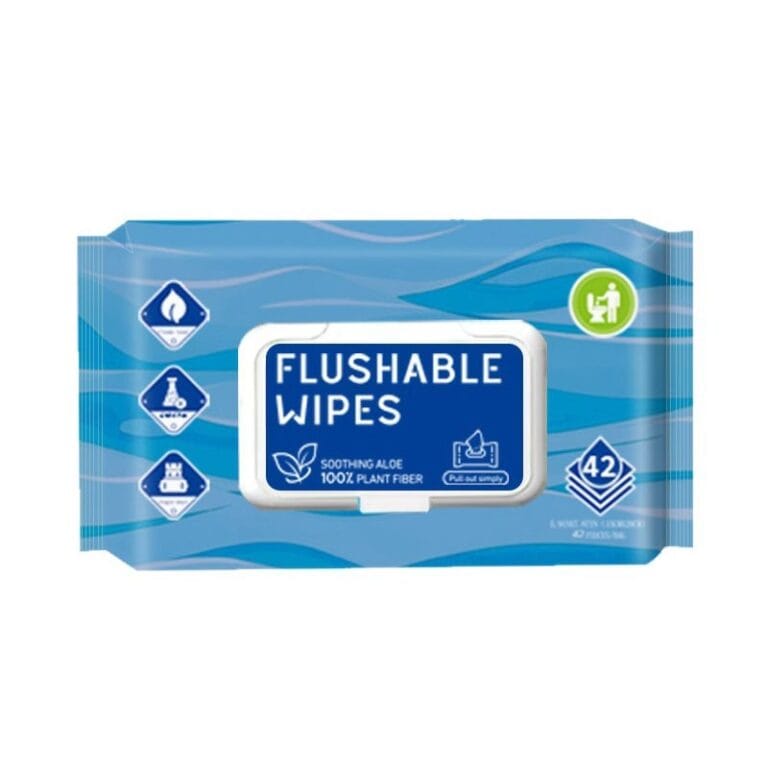
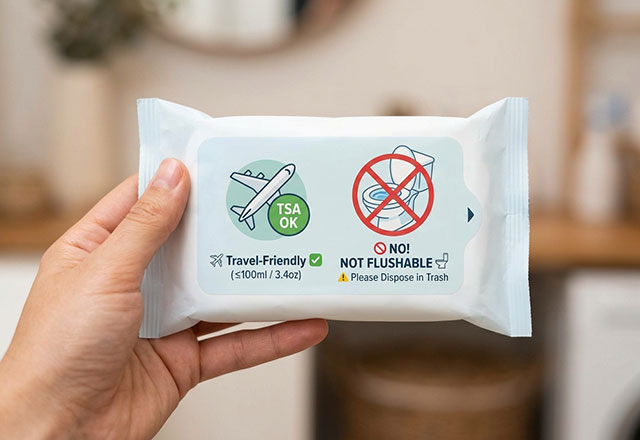
After cleaning, close the package securely to help prevent the remaining wipes from drying out. Store the product according to the manufacturer’s instructions and dispose of used wipes in a bin unless the product explicitly specifies another disposal method. Do not flush wipes simply because they are described as biodegradable.
Pet wipes are useful for surface cleaning between baths, but they do not replace bathing when a full wash is needed, veterinary care, or products specifically recommended for a medical condition.
What Should Pet Care Brands Consider When Developing Pet Wipes?
For pet care brands, retailers, and distributors, product safety begins with a clearly defined purpose. The intended animal, cleaning area, target market, formula, wipe material, and directions for use should all be considered during product development.
A wipe designed for general grooming may have different requirements from a product intended for eye-area cleaning or dental care. Material softness, sheet strength, moisture level, and dispensing format should be evaluated against the intended application.
Brands should also ensure that product claims are supported by appropriate evidence. Terms such as antibacterial, hypoallergenic, biodegradable, and suitable for sensitive skin should be used only when they can be substantiated for the finished product and relevant market.
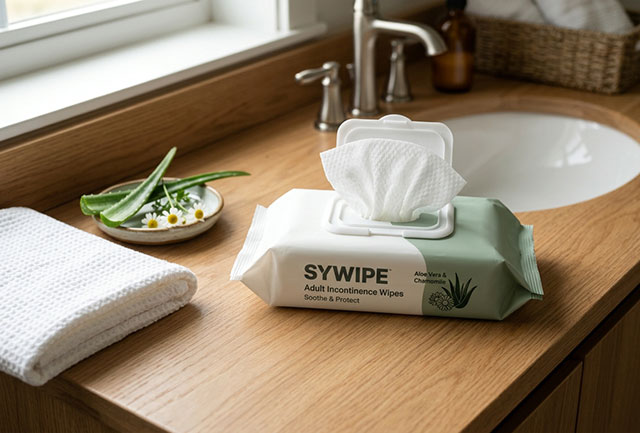
SYWIPE supports customized pet care wipes for brands developing their own product ranges. Depending on the project, specifications can be discussed for nonwoven materials, formulation, sheet dimensions, pack quantity, and packaging format. Brands can review our pet care wipes range to understand the different product applications.
For projects involving material selection, our wet wipes materials page provides further information about available substrates. Product requirements should be reviewed and confirmed before samples and production specifications are approved.
Frequently Asked Questions
Can I use baby wipes on my dog or cat?
Not automatically. Baby wipes are designed for human use, and their ingredients may not be suitable for animals. Choose a product specifically labeled for the intended pet and application.
Are fragrance-free pet wipes always safer?
No. Fragrance-free wipes may be preferable for some pets, but they can still contain ingredients that cause irritation. Review the full ingredient list and follow the product directions.
Can I use the same wipes on dogs and cats?
Only if the product is specifically labeled as suitable for both species and for the intended cleaning area. Do not assume that a product formulated for dogs is automatically appropriate for cats.
Are pet wipes safe to use around the eyes and ears?
Only use products specifically intended for the relevant area. Avoid contact with the eyeball and do not insert wipes into the ear canal. Seek veterinary advice if your pet has persistent discharge, redness, unusual odor, or discomfort.
Can pet wipes replace bathing?
Pet wipes can remove surface dirt and help maintain cleanliness between baths. They do not replace bathing when a full wash is needed or veterinary care for an underlying skin condition.
What should I do if my pet reacts to a wipe?
Stop using the product and prevent further exposure. If the wipe gets into the eyes or mouth, follow the product instructions and seek veterinary guidance. Contact a veterinarian promptly if your pet develops significant swelling, persistent irritation, vomiting, breathing difficulties, or other concerning symptoms.
Final Thoughts
Choosing safe wipes for dogs and cats is about matching the formula to the animal and the intended application. Clear labeling, appropriate ingredients, suitable materials, and careful use all contribute to a more responsible pet hygiene routine.
For pet care brands, the same principle applies to product development: define the intended use first, then evaluate the formula, wipe material, and packaging against that purpose. A well-defined product concept makes it easier to develop a pet wipe range that meets customer needs while keeping product claims clear and supportable.