7 Steps to Understand Wet Wipes Contract Manufacturing
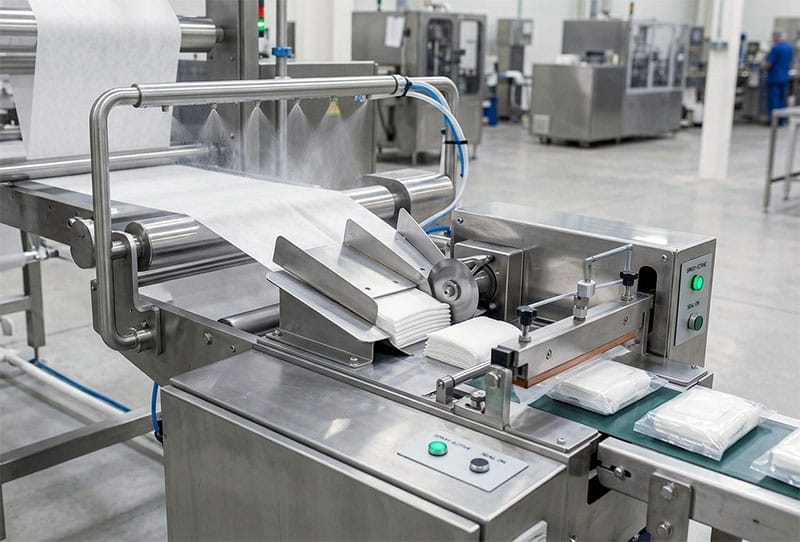
SYWIPE is a professional wet wipes manufacturer providing OEM, ODM, and wet wipes contract manufacturing solutions for brands, retailers, and distributors worldwide. With extensive experience in wipes production, we help businesses transform ideas into market-ready products through customized formulas, material selection, packaging development, and reliable manufacturing support.
From product concept and development to quality control and global delivery, SYWIPE manages every stage of the manufacturing process. Whether you are launching a new hygiene brand or expanding your existing product range, our flexible manufacturing solutions help you create high-quality wet wipes that meet different market requirements.
Contract manufacturing has become one of the most practical ways for businesses to enter and scale in the wet wipes market. Instead of investing heavily in factory construction, equipment, and production management, brands can partner with an experienced manufacturer that handles everything from raw material sourcing and formula development to packaging and final delivery.
For startups, distributors, and established companies expanding into new categories, this approach reduces operational complexity and allows them to focus on branding, marketing, and sales. However, choosing the right manufacturing partner requires more than comparing prices. Understanding the complete contract manufacturing process can help you make better decisions and build a product that succeeds in your target market.
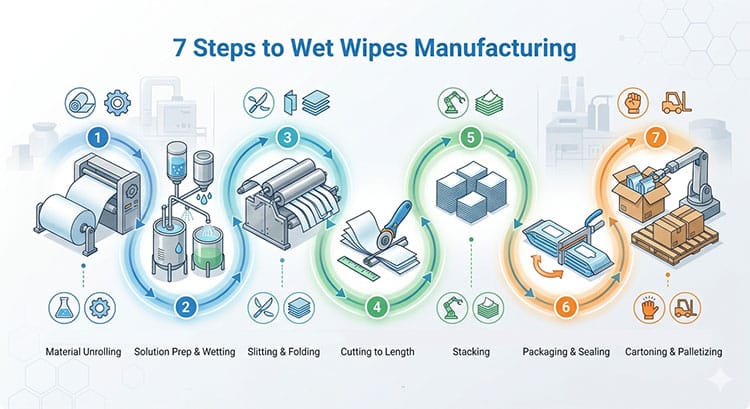
Here are the 7 key steps involved in wet wipes contract manufacturing.
Step 1: Define Your Product Requirements Before Production
Every successful wet wipes project starts with a clear product concept.
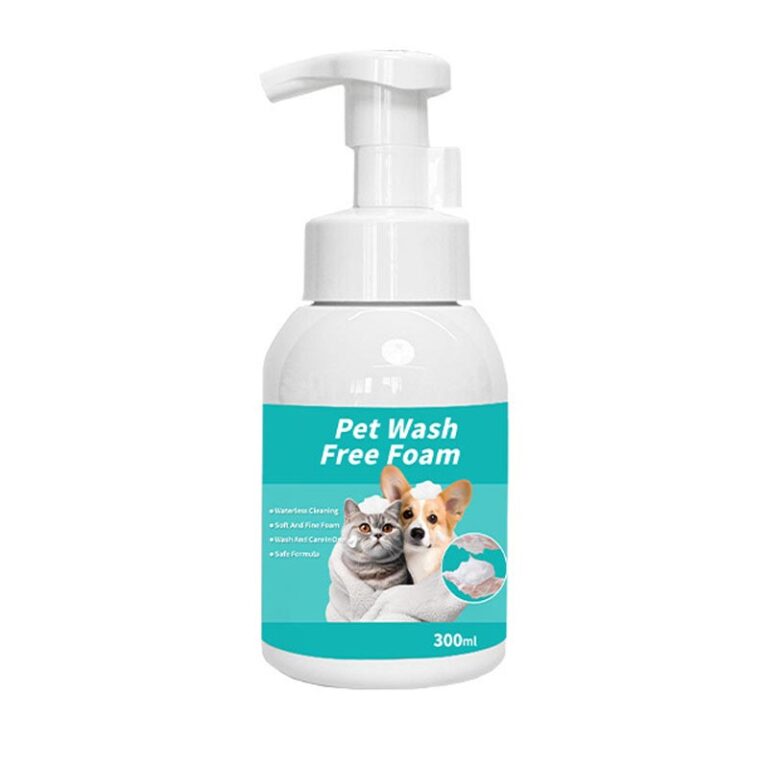
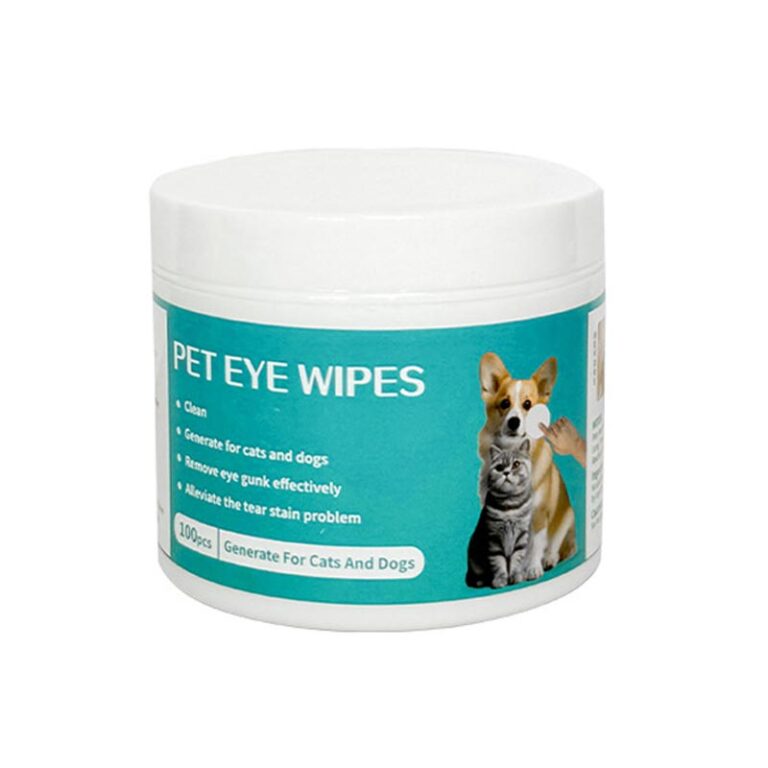
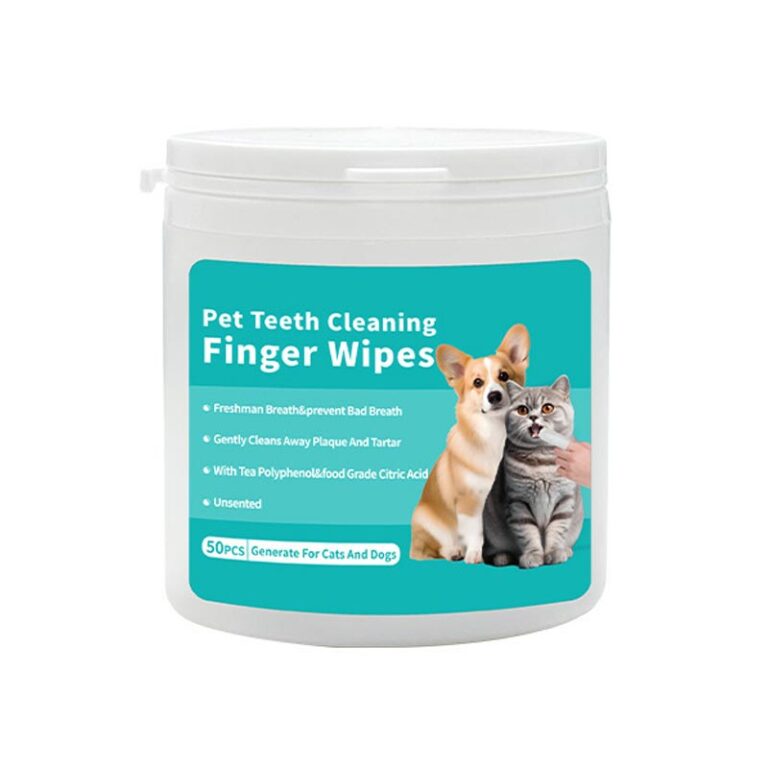
Before contacting a manufacturer, brands need to decide what type of wipes they want to develop, such as baby wipes, personal care wipes, pet wipes, or disinfecting wipes. Each category requires different materials, lotion formulas, packaging solutions, and regulatory considerations.
Your target market is also an important factor. A product designed for the US market may have different requirements from one sold in Europe or other regions.
By understanding your product goals early, you can communicate more effectively with an OEM partner and avoid unnecessary adjustments later in the development process.
Step 2: Select the Right Manufacturing Model for Your Brand
After defining your product direction, the next decision is choosing between OEM and private label production.
OEM manufacturing provides a higher level of customization. Brands can work with manufacturers to develop specific formulas, select materials, customize packaging, and create products that match their market positioning.
Private label manufacturing is often a faster option for businesses entering the market. Instead of developing everything from the beginning, brands can select existing product solutions and focus on branding and packaging.
Many growing companies start with private label products and move toward deeper customization as their customer base expands. Choosing a flexible private label wet wipes supplier allows brands to scale according to their business stage.
Step 3: Evaluate the Manufacturer’s Real Production Capability
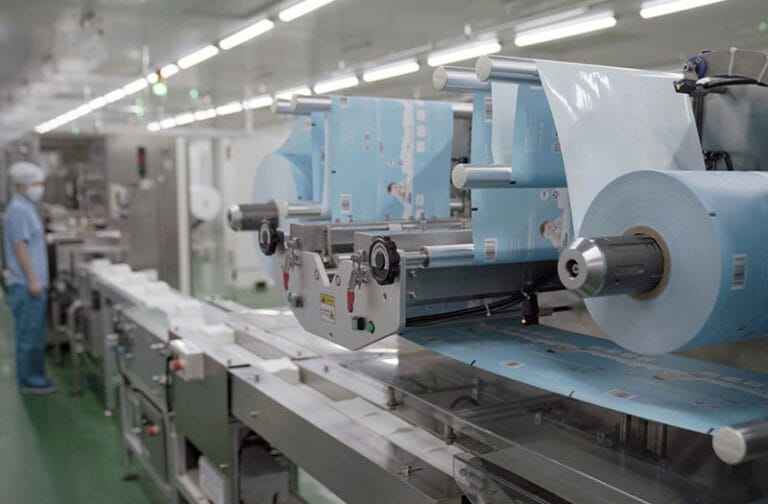
Choosing a contract manufacturing partner requires more than comparing prices. One of the most important steps is verifying whether the supplier actually owns and operates its production facilities.
A professional manufacturer should have clear production processes, experienced technical teams, quality management systems, and the ability to explain how products are made.
Understanding the factory’s equipment, production capacity, quality control procedures, and experience with international markets helps you identify whether you are working with a real manufacturing partner or simply a trading company.
A reliable wet wipes manufacturer should be transparent about its capabilities and willing to share details about its production environment.
Step 4: Review Materials and Product Quality Standards
Product quality directly affects customer satisfaction and repeat purchases. This is why material selection and formula development are critical parts of contract manufacturing.
Factors such as nonwoven fabric, softness, thickness, moisture retention, and lotion performance all influence the final user experience.
For example, baby wipes may require gentle materials and skin-friendly formulas, while cleaning wipes may focus more on strength and cleaning performance.
Before moving forward, brands should understand the differences between materials and production methods. Learning more about what wet wipes are made of can help buyers make better decisions during product development.
Step 5: Test Samples Before Starting Mass Production
Sample approval is one of the most important stages in the manufacturing process.
Before placing a large order, brands should evaluate whether the samples meet their expectations in terms of softness, moisture level, durability, scent, packaging appearance, and overall performance.
This stage allows both sides to make adjustments before mass production begins. A small improvement during sampling can prevent major problems after thousands of products have already been manufactured.
Experienced manufacturers usually work closely with customers during this stage to ensure the final product matches the agreed specifications.
Step 6: Understand the Complete Cost Structure
Many brands focus only on the product price when evaluating suppliers, but contract manufacturing involves multiple cost factors.
The final cost may include raw materials, formula development, packaging, printing, customization fees, shipping terms, and other production-related expenses.
A reliable manufacturing partner should provide clear pricing information and explain what is included in the quotation.
Transparent communication about costs helps brands create realistic budgets and avoid unexpected expenses during production.
Step 7: Manage Logistics and Build a Long-Term Partnership
Manufacturing does not end when products leave the production line. Efficient logistics management is also essential for successful international business.
Brands need to consider transportation methods, export documentation, delivery schedules, and product protection during shipping.
For companies new to importing, understanding the complete supply chain process can help reduce delays and improve planning.
More importantly, the best manufacturing relationships are built over time. A trusted partner can support future product improvements, new product development, and business expansion as your brand grows.
Final Thoughts
Wet wipes contract manufacturing provides brands with an efficient way to enter the hygiene market without building their own production facilities.
However, the success of your product depends on choosing the right manufacturing partner and understanding every stage of the process.
A professional manufacturer does more than produce wipes. They help transform ideas into market-ready products through expertise in materials, production, quality control, and supply chain management.
When the partnership is built on trust and transparency, contract manufacturing becomes more than a production solution — it becomes a foundation for long-term brand growth.
Frequently Asked Questions
What is contract manufacturing in wet wipes?
Contract manufacturing means working with a professional factory that produces wet wipes under your brand requirements, including product development, manufacturing, packaging, and quality control.
What is the MOQ for wet wipes contract manufacturing?
The minimum order quantity depends on product type, customization requirements, and packaging options. In many cases, MOQ ranges from several thousand to tens of thousands of packs.
How long does wet wipes production take?
Production usually takes around 15–30 days after sample approval, depending on product complexity and order quantity.
Can I customize wet wipes completely?
Yes. OEM manufacturing allows brands to customize formulas, materials, wipe sizes, packaging designs, and other product features.
Is contract manufacturing suitable for small brands?
Yes. It allows smaller brands to enter the market with lower investment while benefiting from professional manufacturing experience.