What Are Wet Wipes Used For?
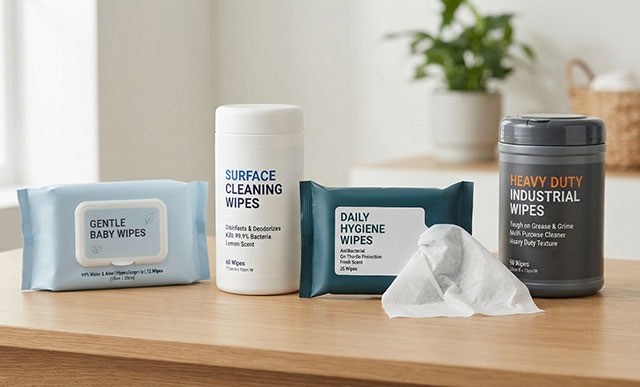
Wet wipes have become a familiar part of everyday life. People keep them in bathrooms, handbags, cars, offices, kitchens, travel bags, and even workplace cleaning stations. Although they may look similar at first glance, different wet wipes are designed to solve very different cleaning and hygiene needs.
For a professional wet wipes manufacturer, understanding these applications is an important part of developing products for different markets. Some wipes are designed for delicate skin, while others are made for household surfaces, pet care, personal hygiene, or demanding industrial environments.
So, what are wet wipes used for?
In simple terms, wet wipes are pre-moistened sheets used for cleaning, refreshing, and maintaining hygiene without requiring a separate water source. Their applications depend on the wipe material, liquid formulation, and intended purpose.
Understanding these differences helps consumers choose suitable products and helps brands develop wet wipes that meet specific market requirements.
1. Personal Hygiene and Daily Care
Personal hygiene is one of the most familiar applications of wet wipes. They offer a convenient way to clean the skin when access to running water is limited or when a quick refresh is needed.
However, personal care is a broad category. Different users have different requirements, which is why several specialized products have developed.
Baby Wipes
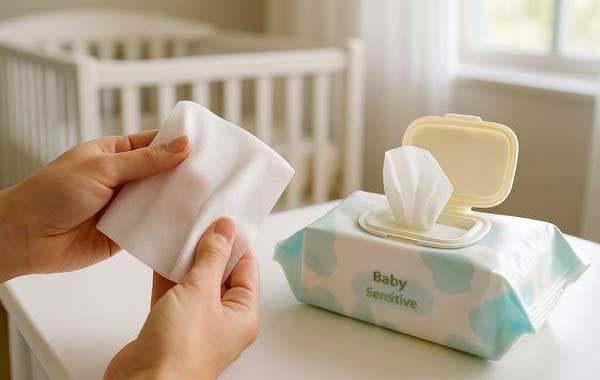
Baby wipes are designed for cleaning delicate skin during diaper changes and everyday baby care.
Parents commonly use them to:
- Clean a baby’s bottom during diaper changes.
- Remove food residue from hands and faces.
- Clean minor everyday messes.
- Support convenient hygiene when traveling with infants.
Baby wipes are generally developed with skin compatibility in mind. Depending on the product, formulations may include purified water, moisturizing ingredients, and skin-conditioning components.
Parents should check the product label and select wipes appropriate for their baby’s age and skin needs.
Adult and Body Wipes
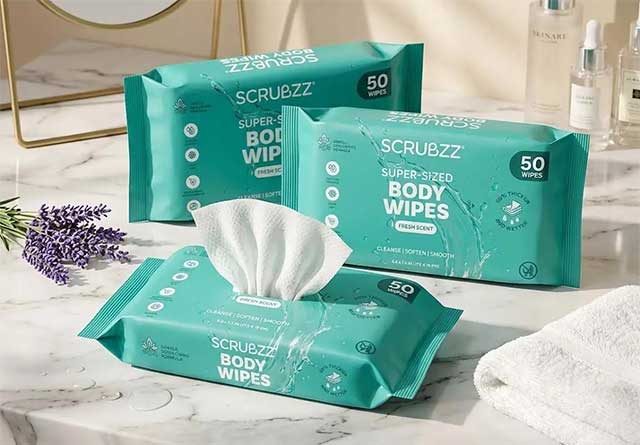
Adult wipes and body wipes are useful when taking a shower is temporarily inconvenient.
Common situations include:
- Freshening up after exercise.
- Cleaning the skin during long journeys.
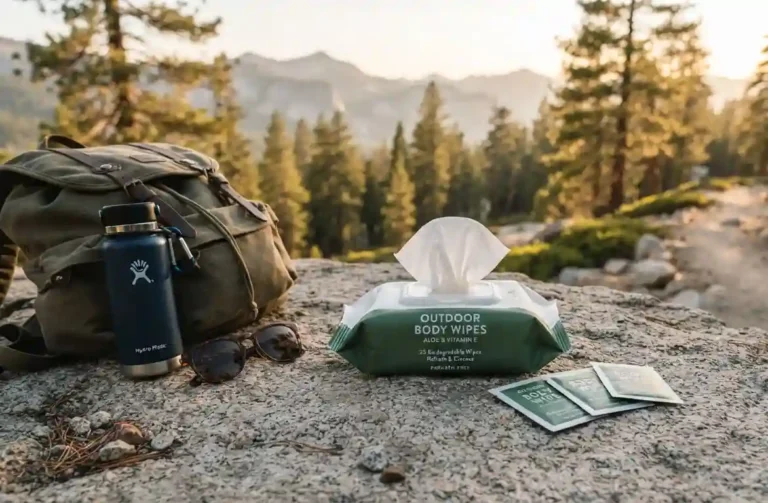
- Maintaining personal hygiene while camping.
- Refreshing the body during busy working days.
- Supporting personal care routines for people with limited mobility.
These products provide a convenient option between normal washing routines. They are not intended to replace regular bathing.
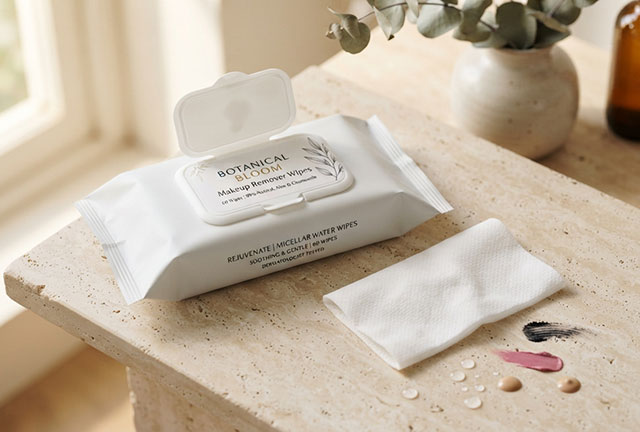
Facial and Makeup Remover Wipes
Facial wipes are designed for specific facial cleansing needs. Makeup remover wipes, in particular, help loosen and remove makeup, sunscreen, and everyday surface impurities.
They are commonly used for:
- Removing makeup after a long day.
- Cleaning the face while traveling.
- Removing light cosmetic residue.
- Supporting convenient skincare routines.
Different formulations are available for different skin types and makeup requirements. Users should follow product instructions, especially when cleaning around the eyes.
Wet Toilet Tissue and Personal Cleansing Wipes
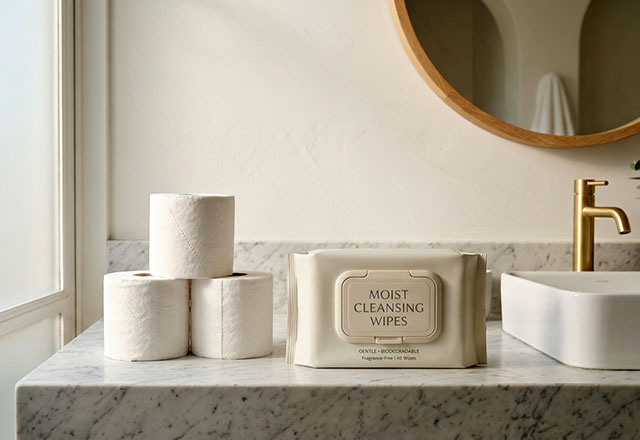
Wet toilet tissue is used for personal cleansing after using the bathroom. It provides an alternative to dry toilet paper when additional moisture is preferred.
These products are developed for bathroom hygiene and may use different substrate materials and construction methods from ordinary personal care wipes.
Importantly, not all wet wipes are flushable. Consumers should follow the packaging instructions and only flush products with appropriate supporting flushability evidence.
2. Household Cleaning and Surface Care
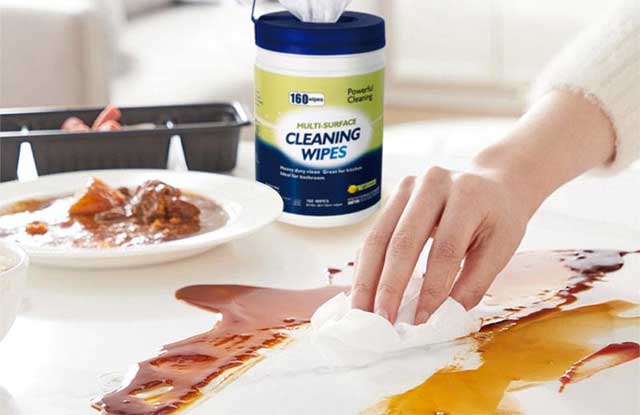
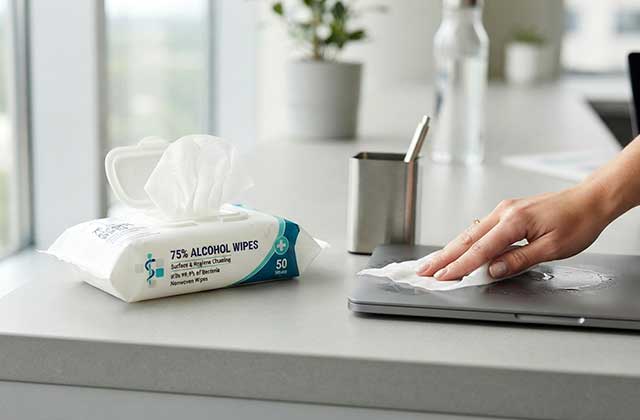
Wet wipes are also widely used around the home. Instead of preparing cleaning solutions and handling separate cloths, users can reach for a pre-moistened wipe for convenient everyday cleaning.
Common household applications include:
- Kitchen cleaning: Wiping countertops, appliance exteriors, and everyday food-related messes.
- Bathroom cleaning: Removing light dirt and residue from suitable bathroom surfaces.
- Furniture cleaning: Wiping compatible furniture surfaces and removing dust or minor spills.
- Glass and mirror cleaning: Using specially formulated glass wipes to reduce visible streaks.
- Floor cleaning: Using larger floor wipes designed for compatible flooring surfaces.
Not every household wipe is suitable for every material. Users should check the label before applying a cleaning product to wood, natural stone, screens, or other sensitive surfaces.
3. Pet Care and Grooming
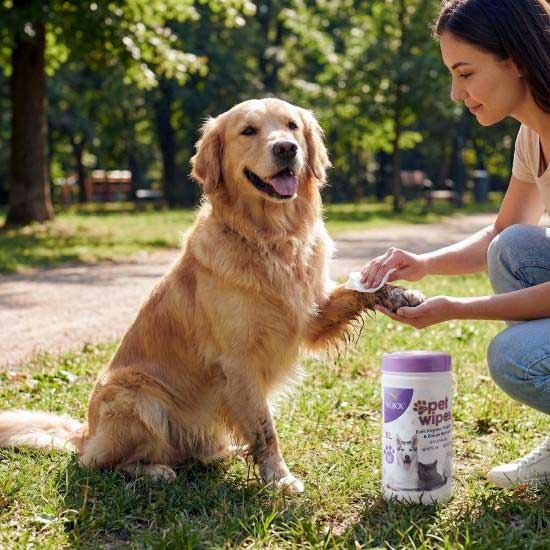
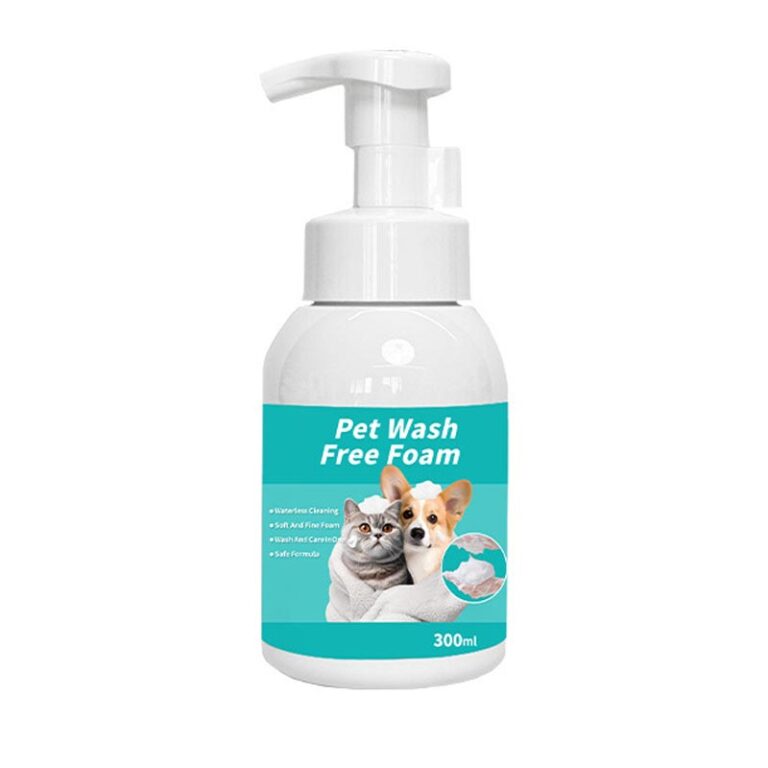
Pet wipes make routine cleaning easier for pet owners, particularly after outdoor activities.
Common applications include:
- Cleaning dirt from dogs’ and cats’ paws.
- Wiping the coat after outdoor walks.
- Cleaning around pets’ bodies as directed.
- Maintaining hygiene between regular grooming sessions.
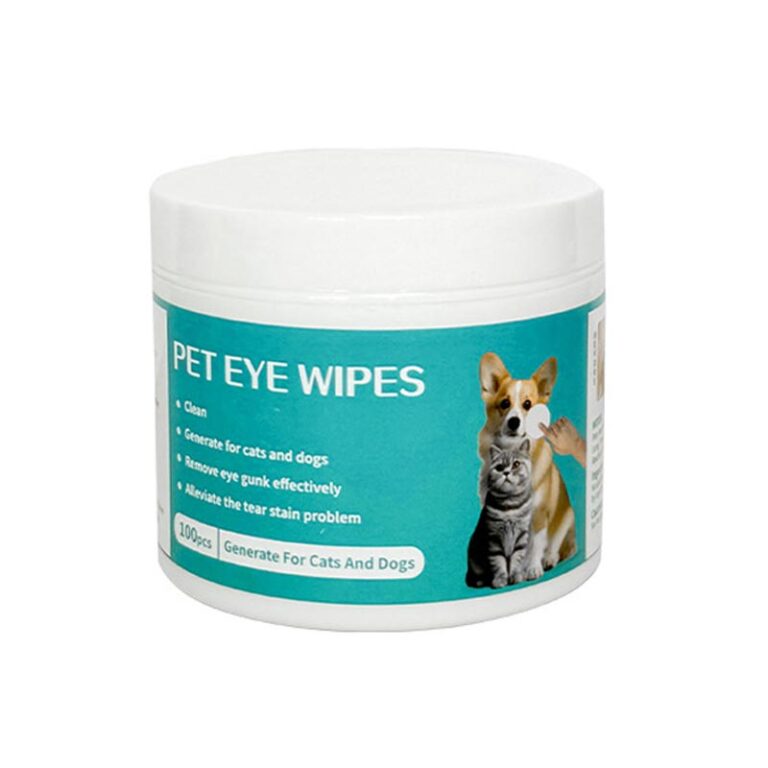
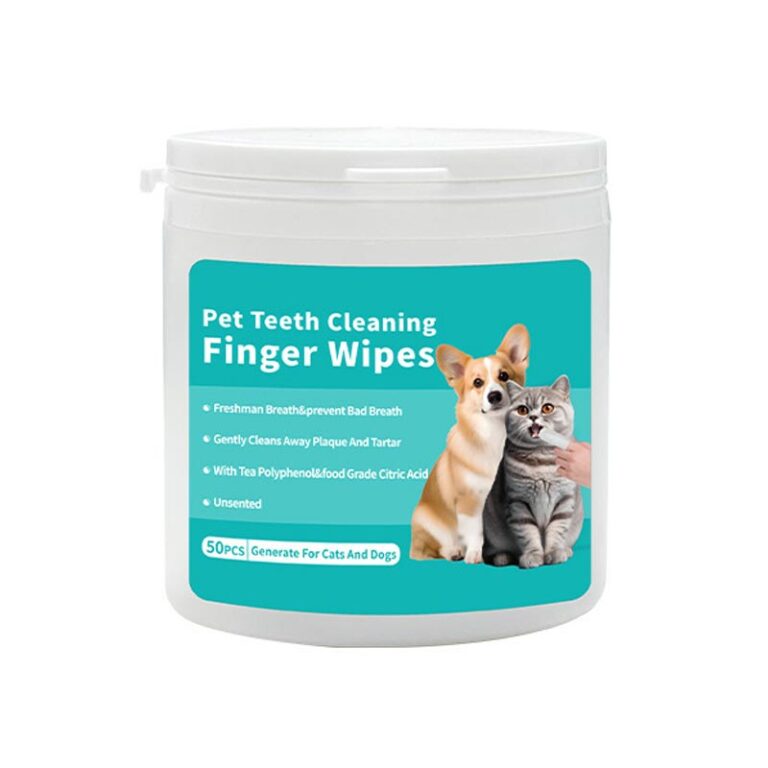
- Cleaning specific areas with specially designed ear or dental wipes.
Pet wipes are developed for animal care rather than general household cleaning. Their formulations and intended uses vary, so owners should choose products specifically designed for the animal and application.
For example, ear wipes and dental wipes serve different purposes from general-purpose pet grooming wipes.
4. Industrial and Workplace Cleaning
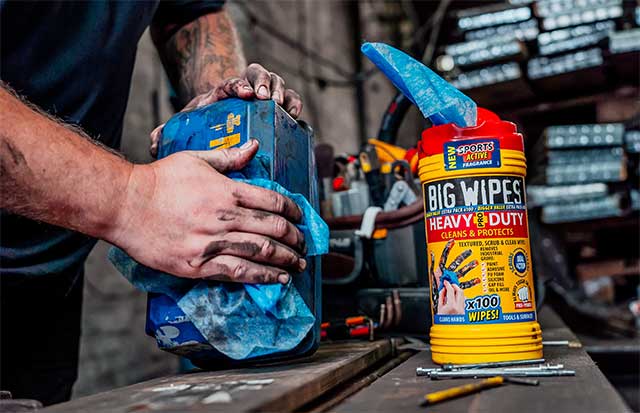
In industrial environments, wet wipes serve a different purpose from ordinary personal care products.
Workers in automotive workshops, manufacturing facilities, maintenance departments, and production areas frequently encounter grease, oil, dust, adhesives, and other workplace residues.
Industrial wet wipes are developed to address these more demanding cleaning requirements.
Typical applications include:
- Automotive workshops: Removing grease, oil, and dirt from mechanics’ hands and suitable work surfaces.
- Manufacturing facilities: Cleaning tools, equipment exteriors, and work areas.
- Maintenance operations: Removing common workshop residues during equipment servicing.
- Production environments: Supporting routine cleaning of compatible surfaces and components.
Industrial wipes may use stronger substrates and specialized cleaning formulations depending on the intended application.
For businesses looking for these products, industrial wet wipes can be developed with different material strengths, sheet dimensions, cleaning formulas, and packaging formats.
The important consideration is matching the cleaning formulation to the contaminant and the surface being cleaned.
5. Medical and Healthcare Applications
Healthcare environments require cleaning products designed for specific procedures and hygiene requirements.
Different types of medical wipes may be used for:
- Preparing skin before injections.
- Cleaning skin around medical procedures.
- Supporting routine patient hygiene.
- Cleaning designated medical equipment or compatible surfaces.
These applications should not be treated as interchangeable.
For example, an alcohol prep pad intended for pre-injection skin preparation is different from a general-purpose household disinfecting wipe. Products must meet the relevant requirements for their intended medical or healthcare use.
Healthcare professionals should always follow product labeling, applicable protocols, and regulatory requirements.
6. Travel, Outdoor Activities, and Everyday Convenience
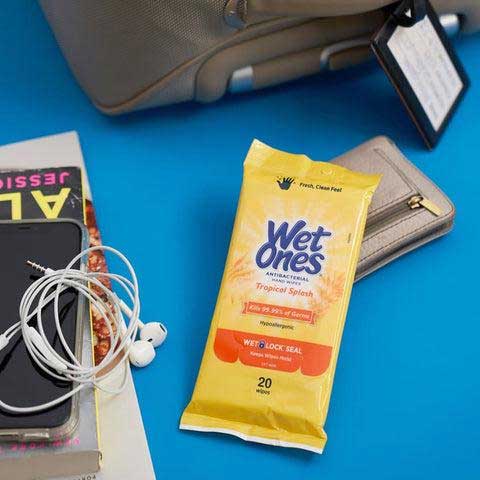
Wet wipes are particularly useful when people are away from their usual cleaning facilities.
Their portable packaging makes them convenient for many situations:
- Cleaning hands before meals during road trips.
- Freshening up after outdoor exercise.
- Removing minor dirt during camping trips.
- Cleaning everyday spills during picnics.
- Maintaining personal hygiene during long flights.
- Keeping children clean during family outings.
The advantage is simple: users can carry a compact cleaning product without needing to bring a separate bottle of liquid or cleaning cloth.
Different travel situations call for different products. Personal cleansing wipes, hand wipes, and surface cleaning wipes should be selected according to their intended use.
7. Are All Wet Wipes Suitable for the Same Purpose?
No. Although many wet wipes share a similar appearance, they are not interchangeable.
The differences usually come down to three factors: the substrate, the liquid formulation, and the intended application.
For example:
- Baby wipes prioritize gentle cleansing for delicate skin.
- Makeup remover wipes are designed to remove cosmetic residue.
- Household wipes are formulated for compatible home surfaces.
- Disinfecting wipes require suitable active ingredients and validated product directions.
- Industrial wipes are developed for more demanding cleaning tasks.
- Pet wipes are intended for specific animal-care applications.
Choosing the wrong product may result in poor cleaning performance or damage to sensitive materials.
Consumers should always read product labels and understand how to use wet wipes correctly, while brands and distributors should consider the target market, expected performance, material requirements, and packaging when developing a new product.
8. What Should Brands Consider When Developing Wet Wipes?
The growing range of wet wipe applications creates opportunities for brands, retailers, and distributors. However, developing a successful product requires more than selecting a wipe size and packaging design.
Several decisions need to be made before production begins.
Target Application
The first step is identifying the intended use. A baby wipe, pet wipe, makeup remover wipe, and industrial cleaning wipe each require different product specifications.
Substrate Selection
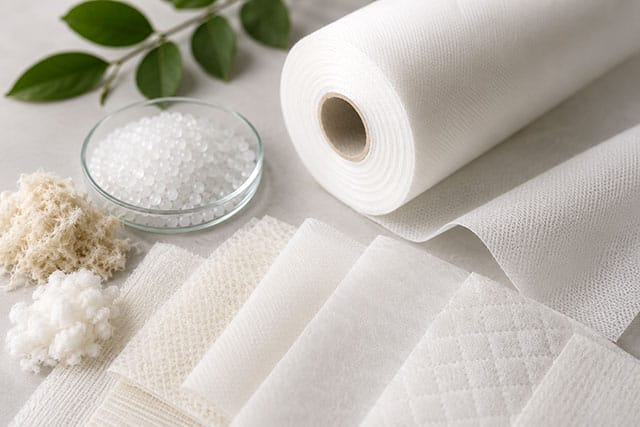
The nonwoven material affects softness, absorbency, strength, and overall user experience. Depending on the application, brands may consider spunlace, viscose blends, bamboo-based fibers, or other suitable substrates.
Liquid Formulation
The formulation should match the product’s intended function. Skin-contact products, household cleaning wipes, and industrial wipes have different formulation requirements.
Sheet Size and Packaging
Sheet dimensions, count per pack, resealable closures, canisters, and individual sachets all influence convenience and product positioning.
Quality and Regulatory Requirements
Product development should consider applicable market regulations, safety requirements, stability, microbiological quality, and performance testing.
For brands planning to develop a customized product range, wet wipes products provide a starting point for evaluating different categories and applications.
Frequently Asked Questions
What are wet wipes mainly used for?
Wet wipes are mainly used for personal hygiene, skin cleansing, household cleaning, pet care, surface maintenance, and specialized industrial or healthcare applications. Their exact function depends on the product formulation and intended use.
Can wet wipes be used on both skin and surfaces?
Not necessarily. Personal care wipes and surface cleaning wipes are developed for different applications. A product designed for cleaning countertops should not automatically be used on skin, and skin-care wipes may not provide the cleaning or disinfection performance required for surfaces.
Are wet wipes suitable for everyday use?
Many wet wipes are designed for routine use when used according to their instructions. However, suitability depends on the product, the intended application, and individual skin or material compatibility.
Can all wet wipes be flushed down the toilet?
No. Most general-purpose wet wipes should be disposed of in a waste bin. Only products with appropriate flushability evidence and clear disposal instructions should be considered for flushing.
Biodegradable and flushable are also different claims. A biodegradable wipe is not automatically suitable for toilet disposal.
What is the difference between personal care wipes and industrial wipes?
Personal care wipes are designed for cleaning skin and supporting personal hygiene. Industrial wipes are developed for workplace cleaning tasks such as removing grease, oil, and other residues. They differ in substrate strength, formulation, and intended use.
How do brands choose the right wet wipes for their market?
Brands should begin by identifying their target consumers and application requirements. They can then evaluate suitable materials, formulations, sheet dimensions, packaging formats, and relevant quality standards before approving samples and starting mass production.
Conclusion
Wet wipes are used in far more situations than many people realize. From baby care and personal hygiene to household cleaning, pet grooming, travel, healthcare, and industrial maintenance, each category serves a different practical purpose.
Their versatility comes from the combination of suitable materials, carefully developed liquid formulations, and application-specific product design.
For consumers, understanding these differences makes it easier to select the right wipe for each task. For brands, retailers, and distributors, understanding the intended application is the foundation of developing products that meet real market needs.
As wet wipe applications continue to expand, product quality, appropriate formulation, material selection, and responsible product design will remain important considerations for the industry.