How Do Industrial Wipes Remove Grease and Grime?
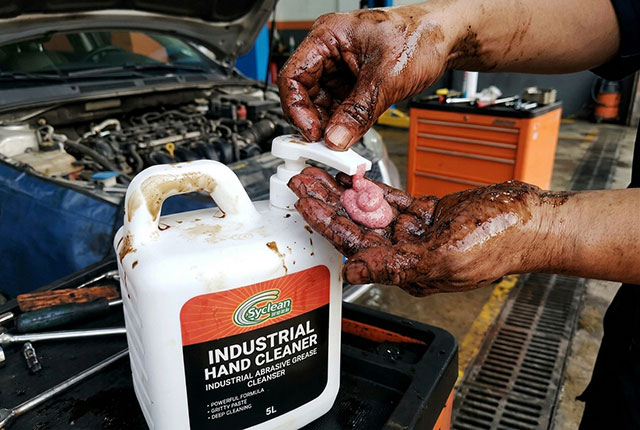
In an automotive workshop, a maintenance area, or a manufacturing plant, cleaning rarely starts with a perfectly clean surface. A technician may have oil on his hands after servicing an engine. A machine operator may need to wipe away accumulated grime around a piece of equipment. A maintenance worker may be dealing with grease, dust, and dirt at the same time.
This is where industrial wipes become more than a simple alternative to paper towels.
The right wipe can loosen oily residue, pick up dirt, and remove contamination without requiring a bucket of water or a separate cleaning cloth. But how does this actually work?
The answer depends on the combination of the wipe material, cleaning formulation, and the type of contamination being removed.
Why Grease and Grime Are Difficult to Remove
Grease and oil behave differently from ordinary dust or water-based dirt.
When a dry cloth is used on a greasy surface, it may absorb some of the residue, but it can also spread the oil across a larger area. Repeated wiping may leave a thin film behind rather than producing a genuinely clean surface.
Grime can be even more challenging because it often contains several types of contamination at once. In a vehicle repair environment, for example, grease may mix with metal particles, road dust, carbon residue, and other workshop dirt.
That is why industrial cleaning wipes are usually designed around more than simple absorbency. They need to help lift contamination from the surface while also retaining it within the wipe.
The performance comes from the interaction between the cleaning liquid and the wipe substrate.
What Happens When an Industrial Wipe Meets Oil?
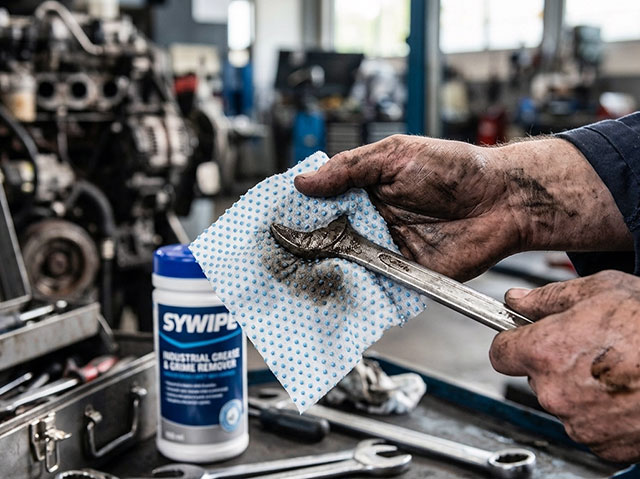
Imagine a mechanic finishing work on a vehicle engine. His hands and tools are covered with a mixture of lubricant and dark grime.
When a properly formulated wipe is applied, the cleaning liquid first helps soften and loosen the oily residue. As the wipe moves across the surface, its fibers come into contact with the contamination. The loosened residue can then be transferred into the wipe rather than simply being pushed from one area to another.
The wipe material matters here.
A softer nonwoven may be suitable for routine wiping and sensitive surfaces, while a stronger or textured substrate can provide additional mechanical action when the contamination is heavier.
The formulation matters just as much. Depending on the intended application, a wipe may use cleansing agents, solvents, degreasers, moisturizers, or other functional ingredients designed for a particular type of residue.
This is why there is no single formulation that works equally well for every industrial cleaning task.
The Role of Wipe Material
When buyers compare industrial wipes, the liquid formula often receives most of the attention. In practice, the substrate is equally important.
A wipe has to hold enough cleaning solution to work effectively while remaining strong enough to survive the wiping process.
For example, a workshop may require a wipe that can handle repeated wiping over rough or heavily contaminated surfaces. A manufacturer cleaning equipment may instead need a low-lint material that leaves minimal residue.
Common material choices include spunlace nonwoven fabrics, viscose blends, polyester blends, wood pulp, and other engineered substrates.
The right choice depends on the job.
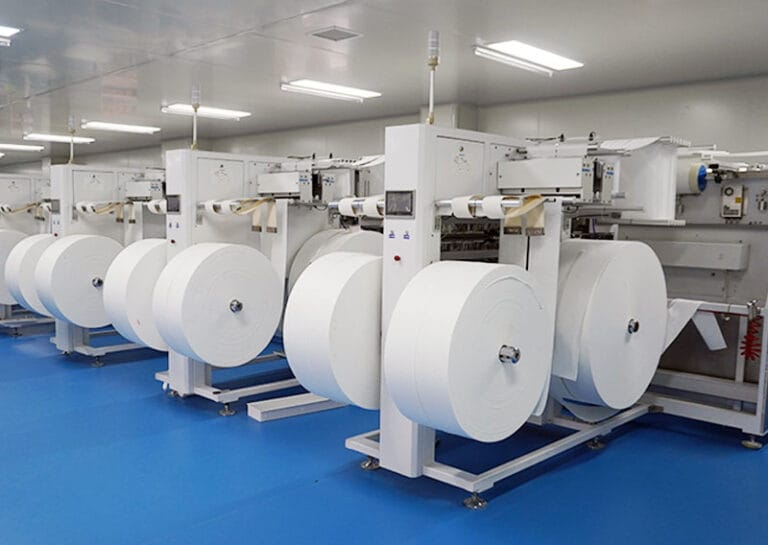
For brands developing their own cleaning products, this is also where wet wipes product development becomes important. Material selection, liquid loading, wipe dimensions, folding format, and packaging all influence the final user experience.
Not All Industrial Dirt Requires the Same Cleaning Approach
A useful way to think about industrial cleaning is to start with the contamination rather than the wipe.
Light dust and general dirt are relatively easy to remove. Grease and oil require stronger cleaning action. Heavy deposits may need a textured wipe combined with a more powerful formulation.
In an automotive repair shop, the same worker may encounter all three during a single shift.
A quick wipe may be enough for fingerprints around a clean surface. Removing engine oil from hands or tools is a different task. Thick grease mixed with dirt may require a heavy-duty solution with stronger mechanical cleaning.
This is why professional wiping products are often developed for specific applications rather than marketed as one universal solution.
For especially demanding cleaning jobs, heavy duty wipes can provide a stronger option where ordinary wiping materials may not be sufficient.
Automotive Workshops Are a Good Example
Automotive service environments show particularly clearly why wipe selection matters.
A technician can move from one task to another within minutes. One moment, the job may involve removing oil from a component. The next may involve wiping tools, work surfaces, or hands.
Water and reusable cloths are not always practical in these situations. A disposable pre-moistened wipe can be taken directly to the work area, used immediately, and discarded after cleaning.
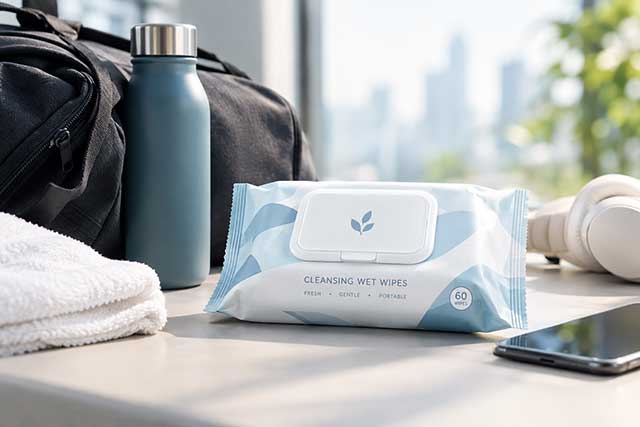
For workshops and automotive brands, packaging also becomes part of the product design. A canister can work well in a fixed service area, while a resealable soft pack or larger refill format may be more convenient where wipes are used throughout the day.
The same principle applies to manufacturing and maintenance environments.
Industrial Wipes for Manufacturing and Maintenance
Inside a manufacturing facility, cleaning requirements can vary significantly between production areas.
Workers may need to remove grease from machinery, wipe down tools, clean workstations, or deal with dirt during routine maintenance. The wipe needs to match the surface and contamination without creating unnecessary lint or leaving excessive liquid behind.
For this reason, professional buyers often look beyond the phrase “industrial wipes” and ask more specific questions:
What kind of dirt will the wipe remove?
Is the wipe intended for hands, tools, machinery, or general surfaces?
How strong does the substrate need to be?
Does the application require low lint?
How much cleaning solution should each wipe contain?
What packaging format will be easiest for workers to use?
These questions help determine whether a standard cleaning wipe, a textured wipe, a degreasing wipe, or another specialized format is appropriate.
Why One Wipe Cannot Do Everything
It can be tempting to look for one industrial wipe that handles every cleaning situation. In reality, different applications place different demands on the product.
A hand-cleaning wipe needs to consider skin contact and user comfort. A machinery wipe may prioritize grease removal and durability. An electronics-related application may require a very different substrate and liquid formulation.
Even within automotive environments, cleaning hands, dashboards, tools, and mechanical components can require different approaches.
That is why OEM manufacturers typically begin product development by defining the intended application.
Once the contamination, surface, and usage conditions are clear, the material and formulation can be selected around the actual cleaning requirement.
Choosing the Right Cleaning Wipe for Your Application
For a brand or distributor sourcing industrial cleaning products, the best starting point is not simply asking for the strongest wipe.
Instead, describe the actual cleaning problem.
If the product will be used mainly for general dirt and grime, a balanced formulation may be sufficient. If the primary problem is oil or grease, the formulation can be developed specifically for degreasing performance.
If workers need to clean their hands after mechanical work, the product should be designed for skin-contact use rather than treated as a general-purpose surface cleaner.
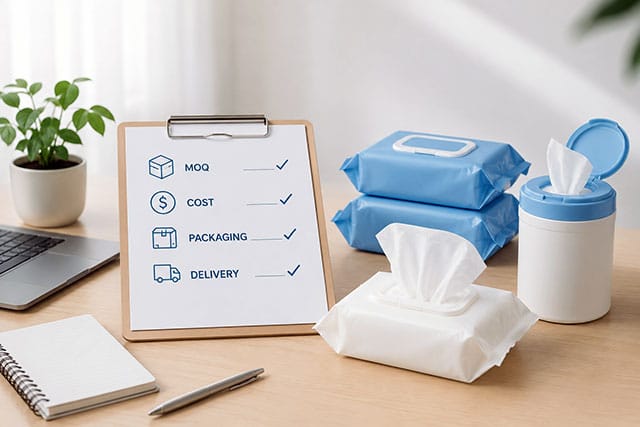
Packaging should also reflect the environment. A workshop with high daily consumption may need a larger-count canister or refill system, while a smaller pack may be more practical for mobile technicians.
At SYWIPE, these variables can be adjusted as part of an OEM or private-label development process, including wipe material, liquid formulation, size, fragrance, folding format, and packaging.
From Cleaning Problem to Finished Product
A successful industrial wipe starts with understanding what the user actually needs to remove.
Oil, grease, dust, and grime may look like one general category of “dirt,” but they behave differently during cleaning. The wipe therefore needs to be engineered as a complete system: substrate + formulation + size + packaging.
For a workshop owner, the result is straightforward—a wipe that works when it is needed.
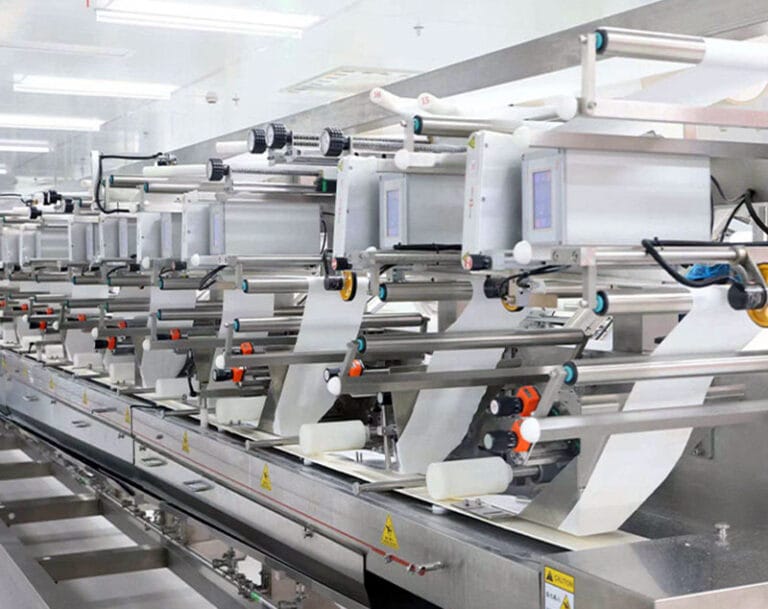
For a brand, however, there is another layer. The product must also have consistent quality, suitable packaging, reliable supply, and a formulation that can be reproduced at commercial scale.
That is where an experienced OEM manufacturer can help turn a cleaning requirement into a finished wiping product.
Frequently Asked Questions
Can industrial wipes remove grease?
Yes. Industrial wipes can be formulated to loosen and remove grease, oil, and grime. Performance depends on the cleaning formulation, wipe material, and severity of the contamination.
What is the best material for grease-removing wipes?
There is no single material that is best for every application. Strong spunlace and textured nonwoven substrates are commonly considered when durability and mechanical cleaning are important, while other materials may be selected for low-lint or softer applications.
Are industrial wipes suitable for automotive workshops?
Yes. Automotive workshops commonly use professional wipes for cleaning hands, tools, components, and work areas. The appropriate product depends on whether the intended use is skin cleaning, surface cleaning, or degreasing.
Can industrial wipes be customized for private-label brands?
Yes. OEM manufacturers can customize factors such as substrate, cleaning formulation, wipe size, liquid level, folding format, fragrance, count, and packaging according to the intended application and market requirements.
How should I choose an industrial cleaning wipe?
Start with the contamination and application. Identify whether the main problem is grease, oil, general grime, dust, or another residue, then consider the surface, required cleaning strength, wipe durability, size, and preferred packaging format.
Turning Industrial Cleaning Needs Into a Custom Wipe
Industrial cleaning is rarely one-size-fits-all. A wipe designed for light workshop dirt may not provide the same experience when used against heavy grease, while a strong degreasing wipe may be unnecessary for routine maintenance.
For brands serving automotive, manufacturing, maintenance, and other professional markets, the better approach is to develop the wipe around the actual working environment.
SYWIPE supports OEM and private-label development for professional wiping products, from substrate and formulation selection through packaging and production. When the cleaning challenge is clearly defined, the final product can be designed around how people actually use it.
Need an industrial wipe for grease, oil, or general grime? Contact SYWIPE to discuss your application and custom product requirements.