Home » BLOG » MOQ for Wet Wipes OEM Explained

MOQ for Wet Wipes OEM Explained
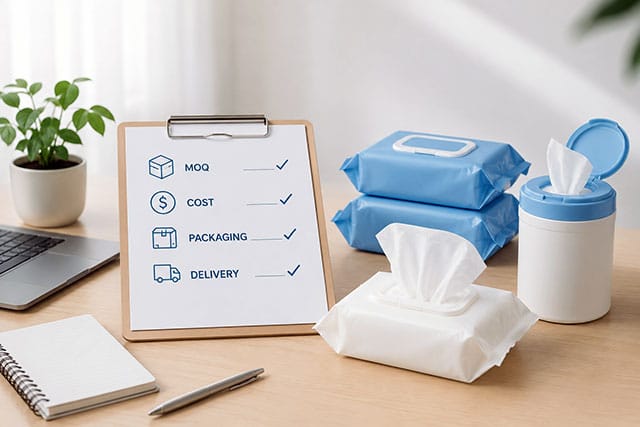
When a brand owner first steps into the wet wipes industry, the conversation rarely starts with formulas, fragrances, or packaging design. Instead, it usually begins with a much more practical question—how many units do we need to start? In manufacturing terms, this is known as MOQ, or Minimum Order Quantity. While it sounds like a simple number, in real production environments it reflects something much deeper: how a factory organizes time, materials, and efficiency across an entire production system. At SYWIPE, this is one of the most common early-stage discussions with new clients. And interestingly, the answer is rarely fixed. It changes depending on how the product is designed, how it is produced, and how far a brand wants to customize it. Why MOQ is not just a number From the outside, MOQ often feels like a restriction. Many new brands hope to start small, test the market, and reduce initial investment risk. But inside a wet wipes factory, production doesn’t operate in isolated small batches. Before a single pack is produced, the entire system must already be prepared—raw materials need to be allocated, nonwoven fabric must be scheduled, liquid formulas must be mixed and stabilized, and the production line itself must be cleaned, adjusted, and tested. These steps are not optional. They happen regardless of order size. This is why MOQ exists—not as an artificial barrier, but as a reflection of how real production works. If the scale is too small, the cost and complexity of setup would make each unit inefficient to produce. To better understand how these stages connect in real operations, it helps to look at the wet wipes OEM manufacturing process, where each step is tightly linked to production stability and product consistency. How product decisions shape MOQ Once a brand moves beyond basic production logic, MOQ becomes less about factory rules and more about product decisions. A standard wet wipes product using existing packaging and a basic cleansing formula is very different from a fully customized product that includes branded packaging film, special fragrance, and customized nonwoven materials. As soon as customization enters the picture, the production process becomes more complex. Packaging must be printed separately, formulas may require stability testing, and raw material sourcing may change depending on performance or sustainability requirements. These adjustments increase coordination time and material complexity, which naturally leads to higher minimum production requirements. This is especially important in private label wet wipes manufacturing, where every detail—from packaging to formulation—is designed to reflect a brand’s identity rather than a standard factory template. Why MOQ varies between different clients Many first-time buyers assume MOQ is a fixed number that applies universally. In reality, manufacturers rarely treat it that way. Instead, MOQ sits at the intersection of three factors: product complexity, material standardization, and production risk. This is why two clients working with the same factory can receive completely different MOQ recommendations. One may choose a standard baby wipe format and start with a relatively lower volume. Another may request a fully customized biodegradable wipe line, which requires more testing, sourcing, and production stability checks. Over time, experienced buyers begin to understand that MOQ is not something to fight against. It becomes part of the product planning process itself—something that should be considered before finalizing design decisions, not after. When MOQ becomes more flexible There are also situations where MOQ can be more flexible than expected. When brands choose standardized packaging structures or work with already tested formulas, production becomes significantly more efficient. In some cases, factories can even combine multiple small orders into a single production cycle to optimize machine utilization. This is where pilot production often plays an important role. Instead of treating the first order as a full commercial launch, it is used as a testing stage to validate market response and reduce early-stage risk. Factories like SYWIPE often recommend this approach because it helps both sides—brands reduce market risk, while production remains stable and efficient. In these cases, requesting a custom wet wipes quotation early in the process becomes essential, as it helps align product expectations with realistic production planning. What MOQ really means for a brand After working with different brands across various markets, one thing becomes clear: MOQ is not simply about production scale. It is about how a brand enters the market. A lower MOQ may feel safer at first, but it often leads to higher unit costs and limited production efficiency. A higher MOQ requires more commitment, but usually results in better pricing and stronger supply stability. The right MOQ is not the smallest possible number. It is the one that aligns with a brand’s confidence level, market strategy, and expected growth speed. FAQ Is MOQ fixed for all wet wipes products? No. It depends on packaging, formula, materials, and customization level. Why do manufacturers require MOQ? Because production involves fixed setup processes such as material preparation, machine calibration, and stability testing. Can startups launch with low MOQ? Yes, usually by using standard packaging or simplified product configurations. Does higher MOQ always mean better pricing? Generally yes, because fixed production costs are distributed across more units.
When a brand owner first steps into the wet wipes industry, the conversation rarely starts with formulas, fragrances, or packaging design. Instead, it usually begins with a much more practical question—how many units do we need to start?

In manufacturing terms, this is known as MOQ, or Minimum Order Quantity. While it sounds like a simple number, in real production environments it reflects something much deeper: how a factory organizes time, materials, and efficiency across an entire production system.

At SYWIPE, this is one of the most common early-stage discussions with new clients. And interestingly, the answer is rarely fixed. It changes depending on how the product is designed, how it is produced, and how far a brand wants to customize it.

Why MOQ is not just a number

From the outside, MOQ often feels like a restriction. Many new brands hope to start small, test the market, and reduce initial investment risk. But inside a wet wipes factory, production doesn’t operate in isolated small batches.

Before a single pack is produced, the entire system must already be prepared—raw materials need to be allocated, nonwoven fabric must be scheduled, liquid formulas must be mixed and stabilized, and the production line itself must be cleaned, adjusted, and tested.

These steps are not optional. They happen regardless of order size.

This is why MOQ exists—not as an artificial barrier, but as a reflection of how real production works. If the scale is too small, the cost and complexity of setup would make each unit inefficient to produce.

To better understand how these stages connect in real operations, it helps to look at the wet wipes OEM manufacturing process, where each step is tightly linked to production stability and product consistency.

How product decisions shape MOQ

Once a brand moves beyond basic production logic, MOQ becomes less about factory rules and more about product decisions.

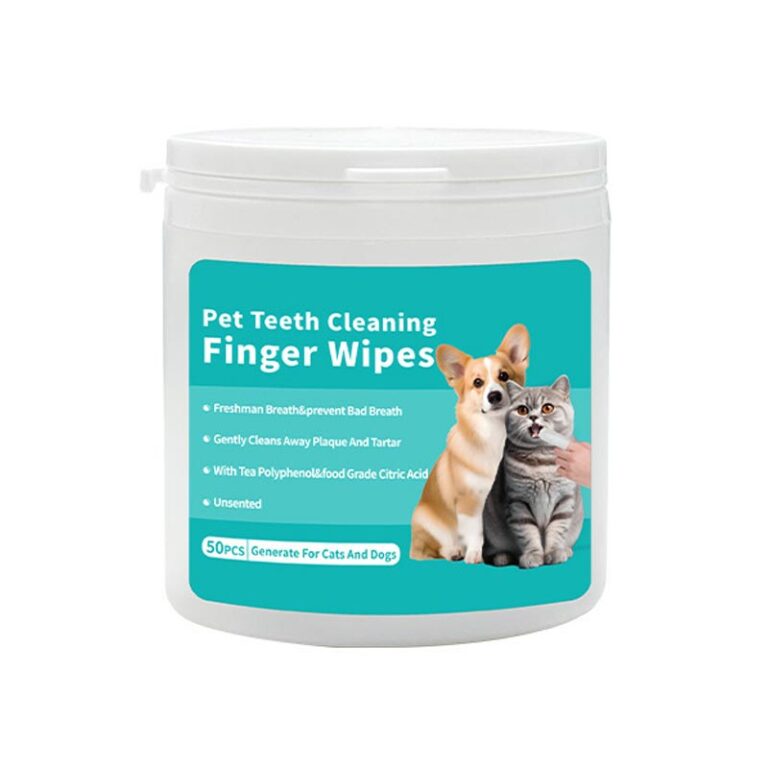
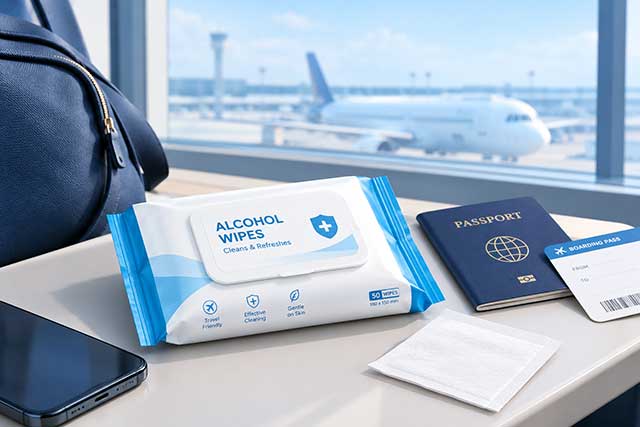
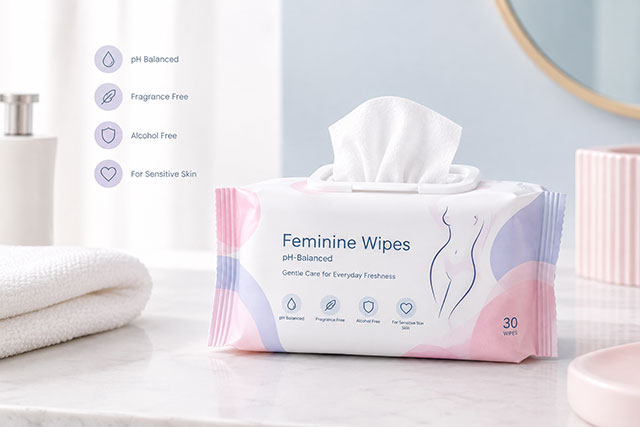
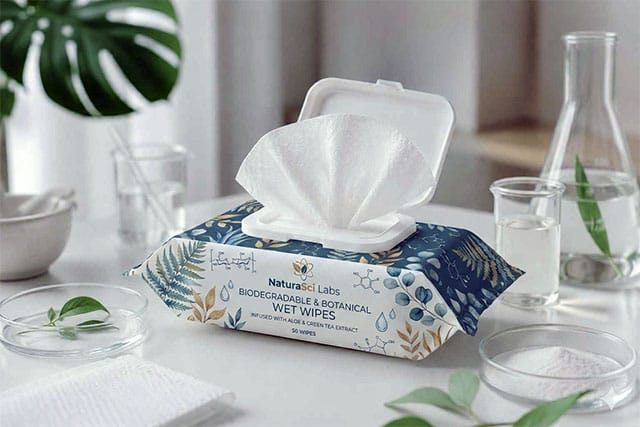
A standard wet wipes product using existing packaging and a basic cleansing formula is very different from a fully customized product that includes branded packaging film, special fragrance, and customized nonwoven materials.

As soon as customization enters the picture, the production process becomes more complex. Packaging must be printed separately, formulas may require stability testing, and raw material sourcing may change depending on performance or sustainability requirements.

These adjustments increase coordination time and material complexity, which naturally leads to higher minimum production requirements.

This is especially important in private label wet wipes manufacturing, where every detail—from packaging to formulation—is designed to reflect a brand’s identity rather than a standard factory template.

Why MOQ varies between different clients

Many first-time buyers assume MOQ is a fixed number that applies universally. In reality, manufacturers rarely treat it that way.

Instead, MOQ sits at the intersection of three factors: product complexity, material standardization, and production risk.

This is why two clients working with the same factory can receive completely different MOQ recommendations. One may choose a standard baby wipe format and start with a relatively lower volume. Another may request a fully customized biodegradable wipe line, which requires more testing, sourcing, and production stability checks.

Over time, experienced buyers begin to understand that MOQ is not something to fight against. It becomes part of the product planning process itself—something that should be considered before finalizing design decisions, not after.

When MOQ becomes more flexible

There are also situations where MOQ can be more flexible than expected.

When brands choose standardized packaging structures or work with already tested formulas, production becomes significantly more efficient. In some cases, factories can even combine multiple small orders into a single production cycle to optimize machine utilization.

This is where pilot production often plays an important role. Instead of treating the first order as a full commercial launch, it is used as a testing stage to validate market response and reduce early-stage risk.

Factories like SYWIPE often recommend this approach because it helps both sides—brands reduce market risk, while production remains stable and efficient.

In these cases, requesting a custom wet wipes quotation early in the process becomes essential, as it helps align product expectations with realistic production planning.

What MOQ really means for a brand

After working with different brands across various markets, one thing becomes clear: MOQ is not simply about production scale. It is about how a brand enters the market.

A lower MOQ may feel safer at first, but it often leads to higher unit costs and limited production efficiency. A higher MOQ requires more commitment, but usually results in better pricing and stronger supply stability.

The right MOQ is not the smallest possible number. It is the one that aligns with a brand’s confidence level, market strategy, and expected growth speed.

FAQ

Is MOQ fixed for all wet wipes products?

No. It depends on packaging, formula, materials, and customization level.

Why do manufacturers require MOQ?

Because production involves fixed setup processes such as material preparation, machine calibration, and stability testing.

Can startups launch with low MOQ?

Yes, usually by using standard packaging or simplified product configurations.

Does higher MOQ always mean better pricing?

Generally yes, because fixed production costs are distributed across more units.
Related News & Blogs