How to Make Baby Wipes at Home?
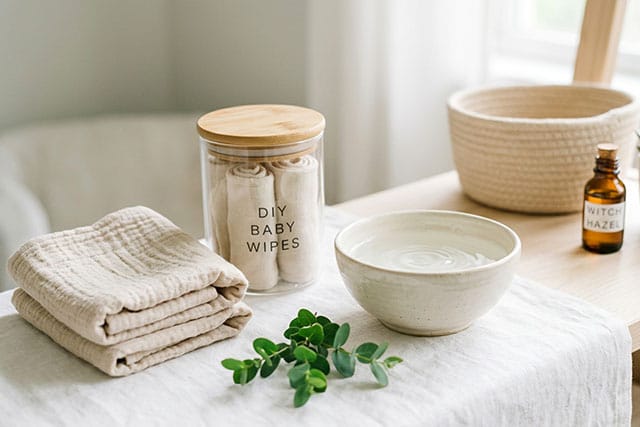
Homemade baby wipes can be a practical option for parents who want to reduce disposable waste, reuse soft cloths, or prepare a small number of wipes for immediate use. The simplest approaches include using dry wipes with water, making reusable cloth wipes, or preparing disposable paper-towel wipes.
However, homemade wipes are not the same as commercially manufactured baby wipes. Once water is added, microorganisms can grow, particularly when the wipes are stored in a closed container without a validated preservation system.
This guide explains three ways to make baby wipes at home, the materials you need, and the precautions to consider before using them on your baby’s skin. Parents comparing DIY options with ready-made baby care wipes should also consider convenience, material quality, and product hygiene.
What Do You Need to Make Baby Wipes?
The materials depend on the method you choose. For a basic home preparation, gather:
Soft, unscented dry wipes or suitable paper towels
Clean, potable water
Soft cotton or other washable cloths for reusable wipes
A clean container for temporary storage
Clean hands and a clean preparation surface
Choose materials that are soft, absorbent, and strong enough for gentle wiping. Paper towels intended for kitchen cleaning may be rough, fragile when wet, or unsuitable for prolonged skin contact. Select a product specifically suitable for gentle personal use whenever possible.
Avoid adding essential oils, perfumes, household cleaners, or unverified ingredients. Natural ingredients are not automatically safe for newborns, and some botanical extracts can irritate delicate skin.
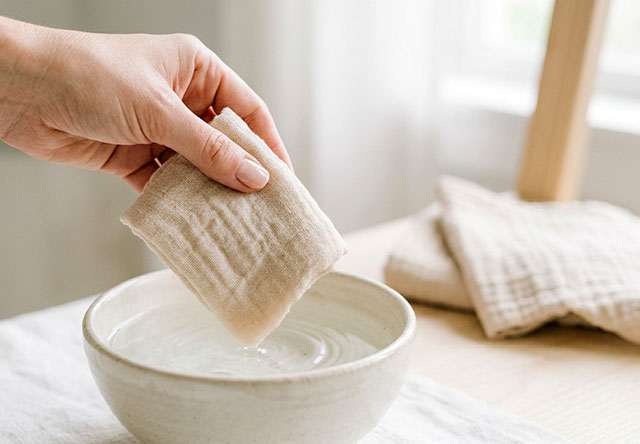
Method 1: Make Disposable Baby Wipes With Dry Wipes and Water
This is one of the simplest methods when you need a few wipes for immediate use.
Materials
• Dry wipes designed for baby or personal care
• Clean water
• A clean container
Steps
1. Wash your hands thoroughly and clean the preparation surface.
2. Take only the number of dry wipes you expect to use immediately.
3. Moisten each wipe with clean water. Avoid soaking a large batch in advance.
4. Use the wipes promptly and discard each one after use.
5. Dispose of used wipes in the trash unless the product is specifically approved for another disposal method.
This approach allows you to control how much water is used without introducing unnecessary ingredients. It is particularly useful for occasional use at home.
The main limitation is storage. Adding water creates conditions in which microorganisms may grow, so do not treat homemade wipes as shelf-stable products.
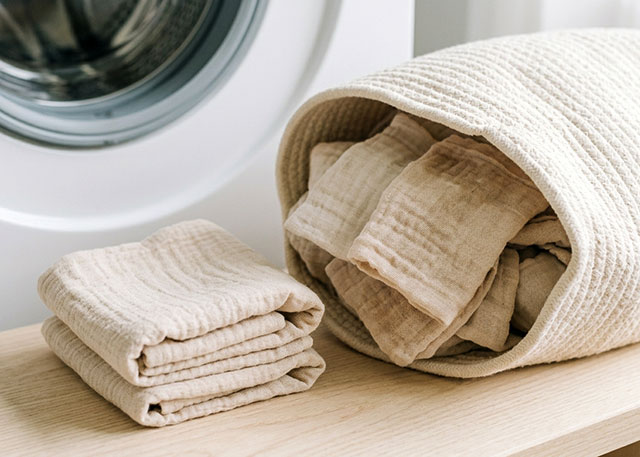
Method 2: Make Reusable Cloth Baby Wipes
Reusable cloth wipes can reduce the number of disposable sheets used during everyday baby care. They require regular laundering and careful handling.
Materials
• Soft, washable cotton cloths or suitable reusable wipes
• Clean water
• A separate container or laundry bag for used cloths
Steps
1. Select soft cloths with a smooth texture and no rough seams or loose fibers.
2. Wash the cloths before their first use according to the manufacturer’s care instructions.
3. Moisten one cloth with clean water immediately before use.
4. Wipe gently without rubbing irritated skin.
5. Place the used cloth in a separate laundry container.
6. Wash used cloths thoroughly with detergent, following the fabric’s care instructions, and dry them completely before reuse.
Reusable cloth wipes are often convenient for home use because they can be washed and reused. However, they need a consistent laundry routine, and damp cloths should not be left in a closed bag for extended periods.
Cloth material also matters. Cotton, bamboo-derived fabrics, and other suitable textiles can differ in softness, absorbency, durability, and washing performance.
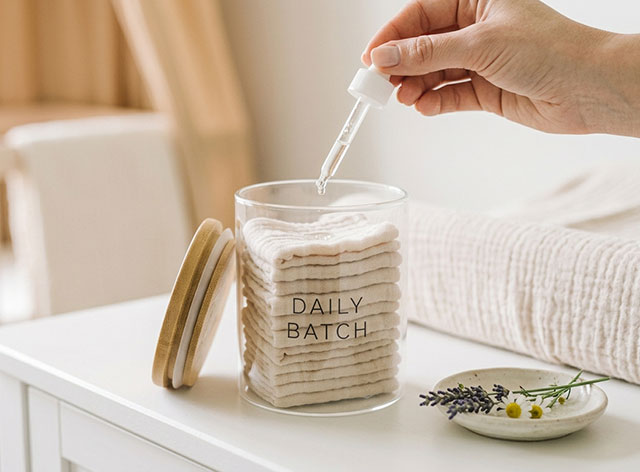
Method 3: Prepare a Small Batch of Pre-Moistened Wipes
Some parents prefer to prepare several wipes before a diaper change or outing. Although this can be convenient, pre-moistened homemade wipes need extra caution because they remain wet between uses.
Materials
• Dry wipes suitable for baby skin
• Clean water
• A clean container with a lid
Steps
1. Wash your hands and clean the container thoroughly.
2. Place only a small number of dry wipes inside.
3. Moisten them with clean water, avoiding excess liquid.
4. Close the container between uses and use the wipes promptly.
5. Discard any remaining homemade wipes if their storage history is uncertain, or if they develop an unusual smell, appearance, or texture.
A clean container helps protect wipes from environmental contamination, but it does not sterilize them or prevent microbial growth. Refrigeration also does not guarantee that homemade wipes will remain safe.
For these reasons, avoid preparing large batches for storage. Do not assign a fixed shelf life to homemade wipes unless safety has been properly established.
Which Homemade Baby Wipe Method Is Best?
The best method depends on how often you use wipes, whether you want to reuse materials, and how much preparation you are willing to do.
Method | Main advantage | Main limitation |
Dry wipes moistened when needed | Simple and requires little preparation | Needs clean water each time |
Reusable cloth wipes | Can be washed and reused | Requires careful laundering and drying |
Small batch of pre-moistened wipes | Convenient for immediate use | Wet storage increases contamination concerns |
For occasional home use, moistening a dry wipe immediately before use is a straightforward option. Reusable cloth wipes may suit parents who prefer a washable alternative and can maintain a reliable laundry routine.
No homemade method should be assumed to be sterile, hypoallergenic, or suitable for every baby.
How to Choose Materials for Gentle Baby Wipes
The material touching a baby’s skin is just as important as the liquid used to moisten it.
Softness, absorbency, wet strength, and surface texture all affect the wiping experience. Rough materials may cause friction, while weak materials can tear when wet.
Parents should also consider how the wipe will be used. A material suitable for wiping hands may not perform equally well during diaper changes.
For commercial product development, different nonwoven fabrics and other suitable substrates can be evaluated according to the intended application. See our guide to wet wipes materials for more information about substrate options and their characteristics.
When choosing ready-made products, parents seeking sensitive baby wipes can compare fragrance options, material softness, ingredient information, and the manufacturer’s product guidance.
Safety Precautions When Making Baby Wipes
Homemade wipes need careful handling because water, reusable materials, and storage containers can introduce contamination.
Keep these precautions in mind:
Use clean water and equipment. Wash your hands and clean preparation surfaces before making wipes.
Avoid unnecessary additives. Essential oils, fragrances, plant extracts, and household ingredients can cause irritation or allergic reactions.
Prepare only what you need. Avoid storing large batches of water-based homemade wipes.
Handle reusable cloths carefully. Wash used cloths thoroughly and allow them to dry completely before reuse.
Do not use visibly contaminated wipes. Discard wipes that develop an unusual smell, discoloration, or texture, while remembering that harmful contamination may not be visible.
Stop if irritation occurs. Discontinue use if redness or discomfort develops. Seek advice from a healthcare professional if symptoms persist or worsen.
Newborns and babies with eczema or other skin conditions may need additional care when selecting cleansing products. Follow advice from your healthcare professional when your baby has persistent irritation or a diagnosed skin condition.
Homemade wipes should not be converted into disinfectant wipes by adding alcohol or household chemicals. Nor should homemade paper or cloth wipes be assumed to be flushable. Dispose of them in the trash unless a product is specifically designed and verified for an appropriate disposal method.
Homemade Baby Wipes vs. Commercial Baby Wipes
Homemade wipes offer flexibility, but commercially manufactured products can provide advantages that are difficult to reproduce at home.
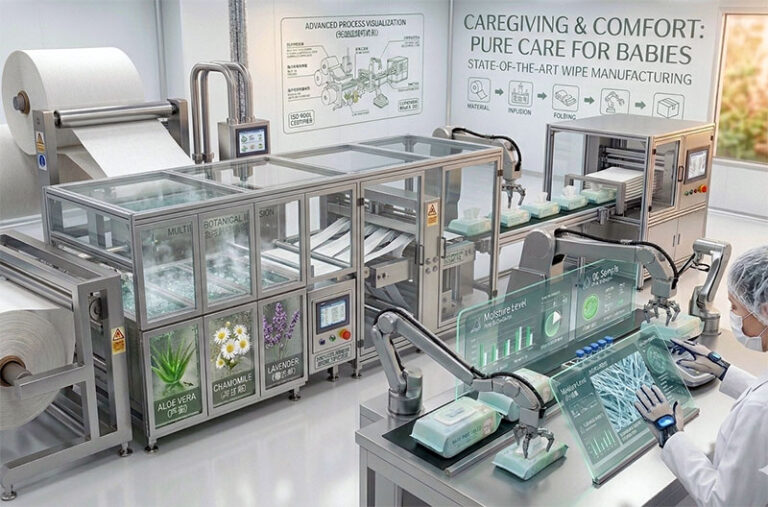
A commercial baby wipe may use a selected substrate, a controlled liquid formulation, a preservation system where required, and packaging designed to protect the product during storage and use.
These characteristics depend on the specific product and its manufacturing controls. A commercial label alone does not guarantee that every product is suitable for every baby, so ingredient information and product instructions still matter.
For parents, the choice comes down to personal preference, convenience, and the needs of the baby. For businesses developing a baby-care product line, the considerations are broader: material performance, formulation, packaging compatibility, quality controls, and the requirements of the target market.
For a deeper explanation of the liquid component, read our article on wet wipes ingredients.
Frequently Asked Questions
Can I make baby wipes with just water?
Yes. You can moisten a suitable dry wipe with clean water immediately before use. This avoids adding optional ingredients, but it does not make the wipe sterile or eliminate the need for clean handling.
Are homemade baby wipes safe for newborns?
Safety depends on the material, water quality, preparation, handling, and the baby’s skin condition. Use soft materials, avoid unnecessary additives, and prepare wipes immediately before use. For newborns with skin problems or special care needs, consult a healthcare professional.
How long do homemade baby wipes last?
There is no universally reliable storage period for homemade water-based wipes. Their safety depends on contamination, ingredients, handling, and storage conditions. The more cautious approach is to prepare only what you need and avoid storing wet homemade wipes for extended periods.
Can I add essential oils to homemade baby wipes?
It is best to avoid essential oils in homemade baby wipes, especially for newborns and babies with sensitive skin. Essential oils can cause irritation or allergic reactions, and adding them does not make homemade wipes safer.
Are homemade baby wipes flushable?
No homemade wipe should be assumed to be flushable. Paper towels, cloths, and many other wipe materials can contribute to plumbing blockages. Dispose of used wipes in the trash unless the specific product is designed and verified for flushing.
Final Thoughts
Making baby wipes at home can be simple when you prepare a few wipes as needed or use reusable cloths that can be washed properly. The most important considerations are clean handling, suitable materials, avoiding unnecessary additives, and preventing prolonged storage of wet wipes.
For everyday convenience, commercially manufactured baby wipes offer another option, with different materials, formulations, and packaging formats available to meet different needs.
For brands and retailers developing their own baby-care products, private label baby wipes can be developed around specified materials, formulations, sheet sizes, and packaging requirements. Product suitability and quality controls should be evaluated before the product is released to market.