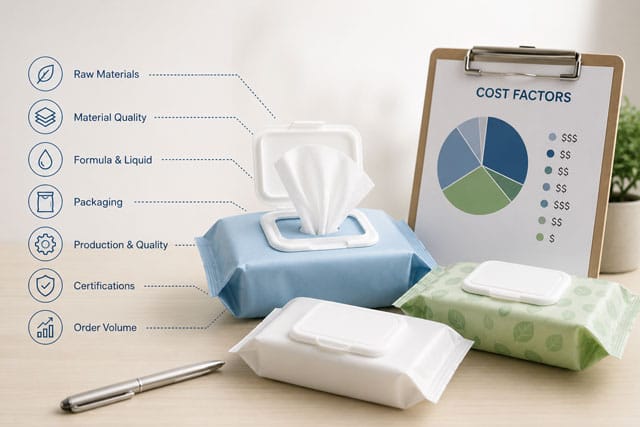
How to Choose Hand Cleaners for Auto Shops?
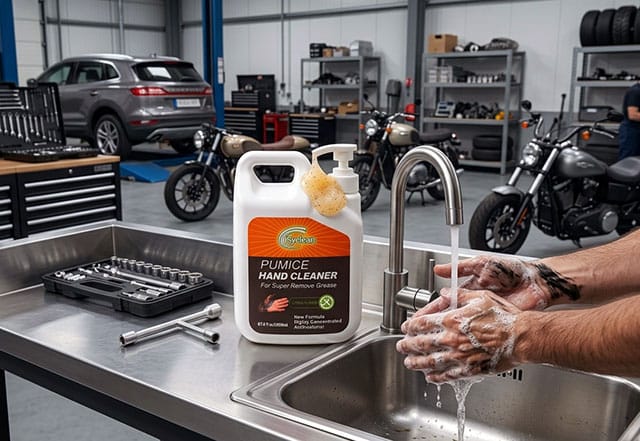
At the end of a busy day in an automotive repair shop, the hardest thing to clean is often not the engine, the workbench, or the tools. It is the mechanic’s hands.
Grease settles into the lines of the palms. Oil stays around the fingernails. Dirt and grime build up after handling engines, brakes, bearings, tools, and other components. In a busy workshop, washing hands once at the end of the shift is rarely enough.
That is why choosing the right hand cleaning solution matters. For automotive repair shops, the practical choice is usually not about finding one product that does everything. It is about matching the cleaning method to the type of dirt, the job being performed, and how frequently technicians need to clean their hands.
Start With the Type of Dirt
Not all workshop dirt behaves the same way.
A technician working on an engine may come into contact with oil and heavy grease. Someone servicing brakes or suspension components may deal with dust, grime, lubricants, and accumulated road dirt. Body repair and refinishing work can introduce additional contaminants and chemical exposures. OSHA notes that workers in autobody repair and refinishing can encounter chemical and physical hazards, including solvents, dust, metal fumes, and oil and grease.
This makes the cleaning requirement different from ordinary household hand washing.
Light dust and surface dirt may be removed relatively easily. Heavy grease and embedded grime usually require more mechanical cleaning action. A hand cleaner with a mild abrasive such as pumice can help loosen stubborn soil while the cleansing base removes it from the skin. Pumice-based hand cleaners are commonly formulated for heavy grease, oil, dirt, and grime in automotive and industrial environments.
The important point is that the formula should be selected according to the contamination being removed rather than simply choosing the strongest cleaner available.
When Pumice Hand Cleaner Makes Sense
After several hours of mechanical work, grease can become difficult to remove with ordinary liquid soap alone. This is where a pumice hand cleaner can become useful.
Pumice particles provide a scrubbing effect that helps loosen stubborn residues from the hands. Depending on the formulation, industrial hand cleaners may also include skin-conditioning ingredients to make them more suitable for repeated use. Commercial formulations used in automotive and maintenance environments commonly target grease, oil, grime, lubricants, and other heavy shop soils.
For a workshop that handles heavily soiled components every day, a pumice-based cleaner can therefore be positioned as a dedicated solution for the dirtiest hand-cleaning jobs.
It does not have to replace every other cleaning method. In fact, using the right product at the right point in the workflow can be more practical.
Why Workshops Also Need Hand Wipes
Imagine a mechanic replacing a component on a vehicle. Halfway through the job, there is grease on the fingers, but the technician still needs to pick up a clean tool, check a part, or move to another vehicle.
Going to a sink every time may interrupt the workflow.
This is where industrial hand wipes can be useful. They provide a convenient way to remove grease, oil, and dirt from hands during work, particularly when a sink is not immediately available. SYWIPE’s industrial wipes range includes hand cleaning wipes alongside heavy-duty, degreasing, and general industrial cleaning solutions.
For automotive repair shops, the role of a hand wipe is therefore slightly different from that of a heavy-duty hand cleaner. Wipes are convenient for quick cleaning between tasks, while a deeper hand-cleaning product can be used when the hands have accumulated heavier contamination.
This combination can make more sense than expecting one product to handle every situation.
The Cleaning Job Does Not Stop With the Hands
Once the technician’s hands are clean, there is still the workshop itself.
Tools, work surfaces, machine components, dashboards, glass, and other vehicle surfaces can all collect dirt and residue during repair and maintenance work. This is why many automotive operations need separate products for hands and surfaces.
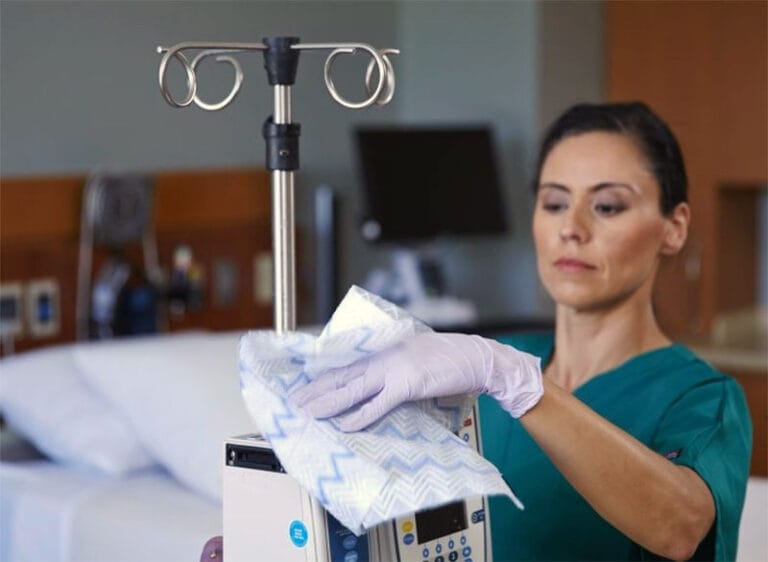
For general workshop cleaning, industrial wipes can be used for tools, equipment, and other hard surfaces where disposable cleaning materials are practical. SYWIPE also develops degreasing wipes for applications involving grease, oil, and stubborn residues on equipment and tools.
For the vehicle itself, the requirement changes again. Car wipes are formulated around interior and exterior vehicle maintenance, with options for surfaces such as dashboards, seats, glass, mirrors, and other vehicle areas.
Keeping these applications separate helps avoid using a hand-cleaning product where a surface-cleaning formulation is more appropriate.
What Should a Workshop Look for in a Hand Cleaner?
For an automotive repair shop, the cleaning product needs to fit the working environment.
A useful starting point is the type of contamination. Grease, oil, lubricants, grime, and embedded workshop dirt generally require stronger cleaning performance than ordinary everyday handwashing. The second consideration is frequency. A technician may need to clean their hands several times during a shift, so the formulation and intended use should be considered together.
Packaging also matters.
A large-format hand cleaner may make sense at a fixed wash station, while wipes can be placed directly beside work areas for quick access. Depending on the workshop layout, having cleaning products close to the point of work can make them easier to use consistently.
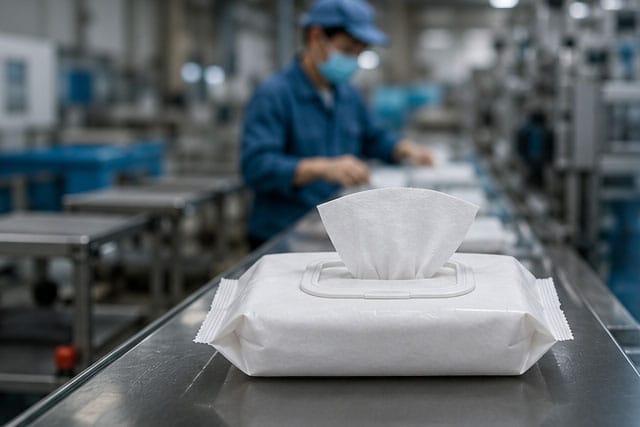
For brands developing their own automotive or industrial cleaning products, material, formula, wipe size, and packaging can all be customized. SYWIPE provides different nonwoven materials and packaging formats for industrial wiping products, including larger formats suited to demanding cleaning applications.
Building a Practical Cleaning Routine
A mechanic’s day rarely follows a perfectly clean sequence.
A job may begin with a relatively clean inspection, move into dismantling greasy components, continue with tool handling, and finish with detailed vehicle cleaning. The hands and the surrounding work area become contaminated at different stages.
A practical cleaning routine can follow that workflow.
Quick hand cleaning can be handled with wipes when technicians need to keep working. Heavier contamination can be addressed with a dedicated hand cleaner at the wash station. Tools, benches, and equipment can be cleaned with appropriate industrial wipes, while vehicle surfaces can be handled with products developed specifically for automotive care.
The result is not simply a cleaner workshop. It is a cleaning system that follows the way technicians actually work.
It is also important to remember that cleaning products should not be treated as a substitute for appropriate workplace controls or personal protective equipment. Where hazardous chemicals or specific contaminants are involved, the applicable safety instructions, product labels, and safety data sheets should be followed. OSHA’s guidance for automotive and other workplaces emphasizes the importance of controlling occupational exposures and using appropriate work practices.
Developing a Private Label Hand Cleaning Product
For distributors, automotive supply companies, and brands serving professional workshops, the next question is often not simply which cleaner to buy, but which type of product to develop.
A private label range could combine hand wipes for quick cleaning with a heavier-duty hand cleaner for more stubborn grease and grime. The formulation, wipe material, sheet size, fragrance, packaging format, and branding can be adjusted according to the intended market.
At SYWIPE, industrial cleaning products can be developed around different applications, from industrial hand wipes and industrial wet wipes to specialized automotive cleaning products. The goal is to match the product specification with the actual cleaning environment rather than forcing every application into the same formula.
For a brand planning an automotive maintenance range, this approach can provide a more complete product offering: convenient wipes for work-in-progress cleaning, heavy-duty hand care for deeply soiled hands, and dedicated wipes for vehicle and workshop surfaces.
Frequently Asked Questions
What is the best hand cleaner for auto mechanics?
The best hand cleaner depends on the type of contamination. For stubborn grease, oil, and embedded workshop grime, a heavy-duty hand cleaner with pumice may help loosen residues. For quick cleaning between tasks, industrial hand wipes can be a convenient option.
Are industrial hand wipes effective for removing grease?
Industrial hand wipes can help remove grease, oil, and dirt from the hands, depending on their formulation and intended use. For heavy or deeply embedded grime, a dedicated hand cleaner may be more suitable. Always follow the product’s directions for use.
Is pumice hand cleaner suitable for everyday use in auto shops?
Pumice hand cleaner can be useful in auto shops where technicians regularly handle grease and stubborn dirt. However, suitability for frequent use depends on the abrasive level and overall formulation. Choose a product intended for repeated hand cleaning, follow its instructions, and avoid excessive scrubbing.
What is the difference between industrial hand wipes and degreasing wipes?
Industrial hand wipes are designed for cleaning hands, while degreasing wipes are generally intended for removing grease and oil from tools, equipment, or other specified surfaces. These products are not automatically interchangeable, so check the intended use and product label before applying them.
Final Thoughts
The right hand cleaner for an automotive repair shop depends on what technicians are actually dealing with during the day.
For quick cleaning between tasks, hand wipes can offer convenience. For deeply embedded grease, oil, and grime, a pumice-based hand cleaner may provide the additional scrubbing action needed. Around the workshop, industrial wipes and degreasing wipes can take care of tools and surfaces, while car wipes address vehicle-specific cleaning needs.
Instead of looking for one universal cleaner, it is often more useful to build a cleaning routine around the different jobs taking place in the shop.
For brands and distributors developing professional cleaning products, SYWIPE supports customized industrial wipe development, material selection, formulas, and packaging for different market requirements.