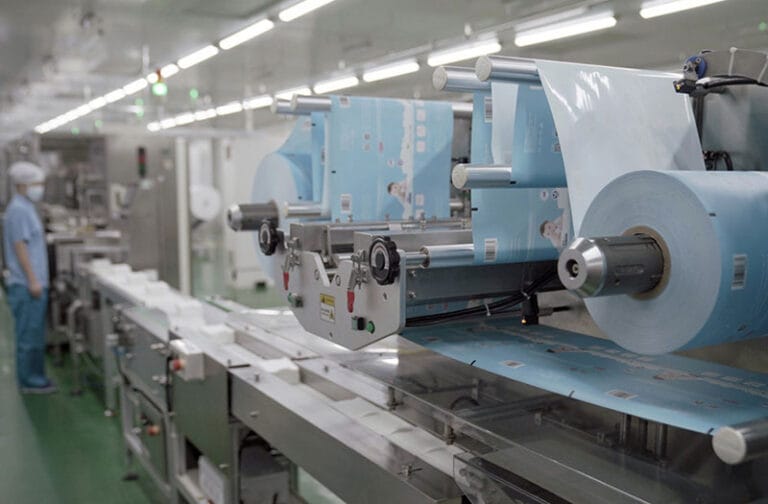
What Is Wet Toilet Tissue?
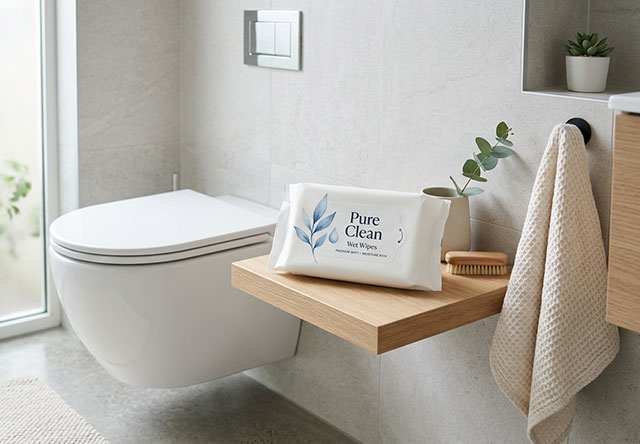
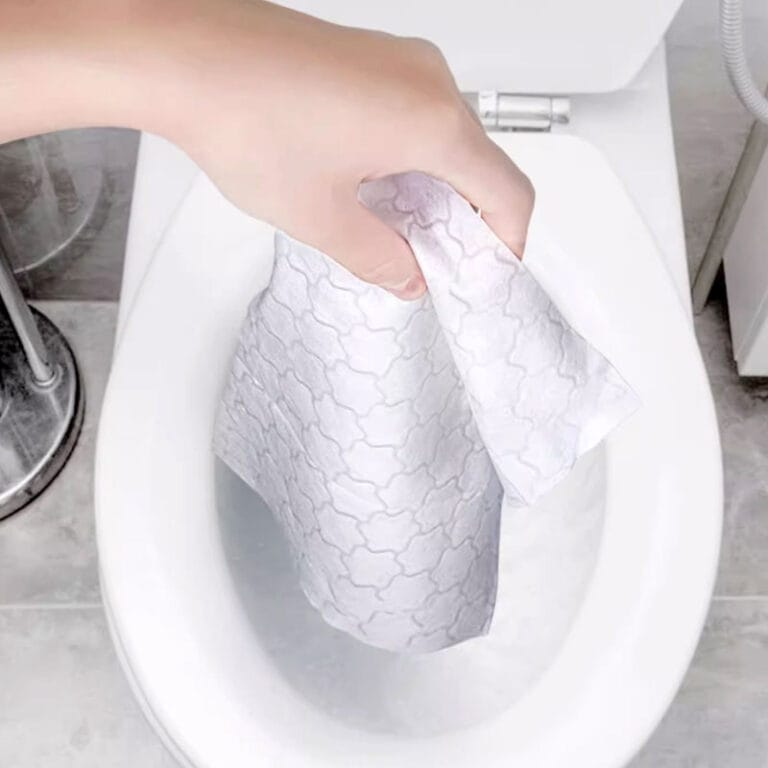
Wet toilet tissue is a pre-moistened cleansing wipe designed for personal hygiene after using the toilet. Also called moist toilet tissue or wet toilet paper, it combines a soft substrate with a water-based cleansing lotion to provide an alternative or complement to conventional dry toilet paper.
Unlike general-purpose wet wipes, wet toilet tissue is developed specifically for bathroom hygiene. Depending on its construction and testing, a product may be designed for disposal in a toilet or intended for disposal in a waste bin. These options are not interchangeable, so understanding the product’s intended use is important.
For consumers, the main considerations are comfort, ingredients, and disposal instructions. For brands and retailers, material selection, lotion formulation, packaging, and verified product claims also influence product development.
How Does Wet Toilet Tissue Work?
Wet toilet tissue uses moisture to help loosen and remove residue during personal cleansing. The wipe’s substrate holds the cleansing lotion and provides the softness and strength needed for its intended use.
Three factors influence the finished product.
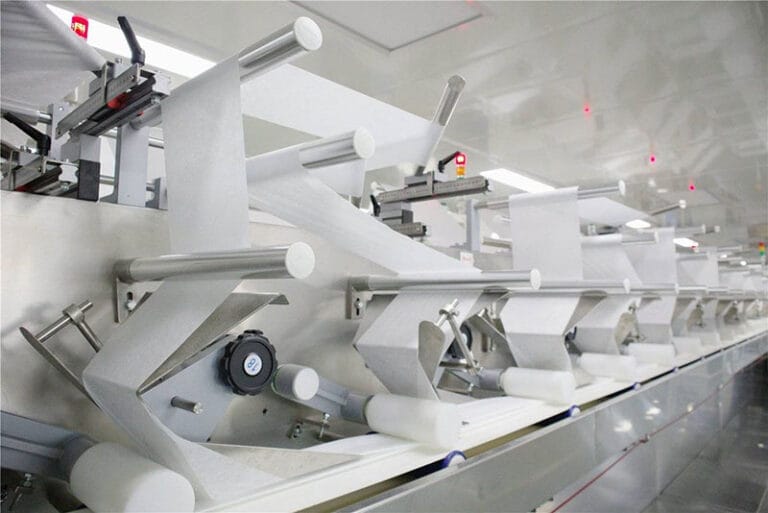
Substrate material: Cellulose-based fibers and other suitable materials can be selected according to softness, wet strength, and dispersibility requirements. The fiber composition and manufacturing process affect how the wipe performs during use and after disposal.
Cleansing lotion: The liquid formulation may contain purified water, humectants, and other ingredients selected for the product’s intended application. Fragrance-free and alcohol-free formulations are options for brands targeting consumers who prefer simpler personal care products.
Sheet construction: Sheet size, basis weight, texture, and wet strength influence handling and cleansing performance. A wipe must remain sufficiently intact during normal use while meeting any additional performance requirements associated with its intended disposal method.
These factors need to be evaluated together rather than selected independently.
Wet Toilet Tissue vs. Regular Wet Wipes
Although both products are pre-moistened, wet toilet tissue and regular wet wipes may have different performance requirements.
Feature | Wet Toilet Tissue | General-Purpose Wet Wipes |
Primary application | Personal cleansing after toilet use | Hands, body, surfaces, or other specified uses |
Substrate design | Selected for bathroom cleansing requirements | Varies according to the intended application |
Lotion formulation | Developed for the intended personal hygiene use | Depends on the product category |
Disposal | Follow the specific product instructions | Often requires disposal in a waste bin |
Flushability | Only products with appropriate supporting evidence should carry flushability claims | Must not be assumed to be flushable |
The product category alone does not determine whether a wipe can be flushed. Two wipes that look similar may behave differently in water because of differences in fiber composition, bonding, and construction.
Consumers should always check the packaging rather than assuming that a wipe is flushable because it is marketed for bathroom use.
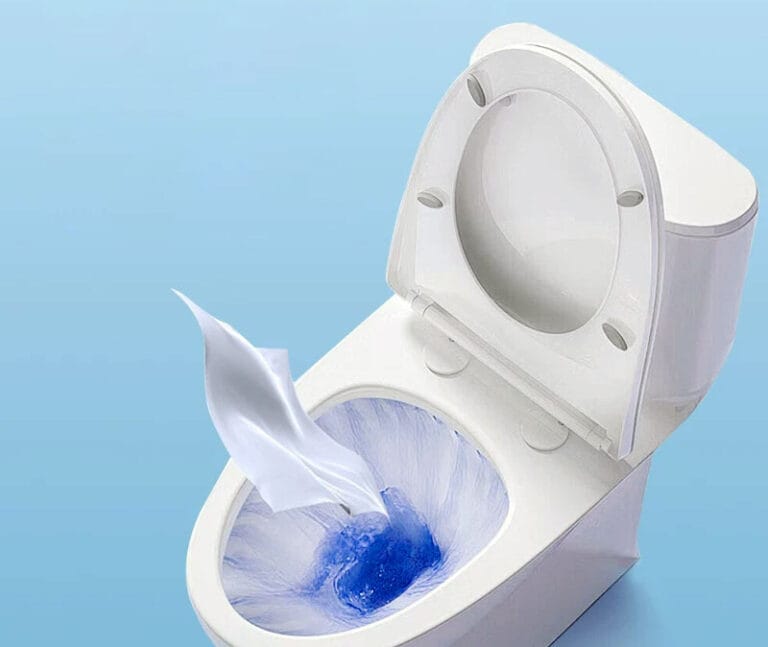
What Makes Wet Toilet Tissue Flushable?
Flushability is an important consideration when developing wet toilet tissue, but it requires more than choosing a plant-based material.
A wipe intended for flushing must be evaluated according to its construction, dispersibility, and the relevant performance requirements for its target market. Testing should assess the finished product rather than relying solely on the characteristics of an individual raw material.
Standards and industry guidance, including EDANA GD4 and IWSFG flushability guidelines, can inform product development and evaluation. Brands should identify the applicable requirements and verify the evidence supporting their claims before launching a product.
It is also important to distinguish three different concepts:
Flushability: Whether a product meets the applicable criteria for dispersing and moving through the intended wastewater system.
Biodegradability: Whether a material breaks down through biological processes under specified conditions.
Plastic-free construction: Whether a product or its specified components contain plastic.
These terms describe different properties. A biodegradable wipe is not automatically flushable, and a plastic-free product is not necessarily suitable for flushing.
Even products developed for flushable applications can contribute to plumbing or wastewater problems under certain conditions. Local disposal guidance and the product’s instructions should always take priority.
What Should You Look for When Choosing Wet Toilet Tissue?
The right product depends on individual preferences and the intended application. Several practical factors can help consumers compare options.
1. Ingredients and Skin Compatibility
Check the ingredient list before purchasing. Fragrance-free options may be preferable for people who wish to minimize exposure to added fragrance, while other formulations may include ingredients intended to support the desired cleansing experience.
No formula is suitable for everyone. If a product causes discomfort or irritation, discontinue use and consider seeking professional advice if symptoms persist.
2. Material and Sheet Strength
A soft substrate can improve handling comfort, but softness alone does not establish product quality. Sheet strength, lotion retention, and performance during use should also be considered.
For products marketed as flushable, the material and construction must additionally support the relevant performance claims.
3. Packaging and Moisture Retention
Wet toilet tissue is commonly available in resealable packs and other formats designed to maintain moisture and allow convenient dispensing.
A suitable package should help limit moisture loss, protect the remaining sheets during normal use, and match the intended retail or distribution channel.
4. Clear Disposal Instructions
Look for clear instructions identifying whether the product should be flushed or placed in a waste bin. If the packaging does not establish that a product is suitable for flushing, do not assume that it can be disposed of in the toilet.
For households with plumbing or septic-system concerns, following local guidance and choosing the more conservative disposal method can help reduce unnecessary risk.
Developing Custom Wet Toilet Tissue for Your Brand
For personal care brands, wet toilet tissue development involves several decisions beyond the basic product concept. Material selection, lotion requirements, sheet dimensions, packaging format, and intended disposal method all need to align with the target market.
A manufacturer can help coordinate these specifications and evaluate whether the proposed product meets the intended performance requirements.
SYWIPE provides wet wipes OEM/ODM services for brands, distributors, and retailers developing customized personal hygiene products. Depending on the project, buyers can discuss substrate options, formula preferences, sheet specifications, packaging design, and production requirements.
If you are planning a new product line, review the available wet toilet tissue product options before preparing your requirements for a quotation.
Providing an estimated order quantity, preferred sheet size, sheet count, packaging format, and target market helps the manufacturing team assess the project more efficiently. Any claims involving flushability, biodegradability, or specific skin benefits should be verified before appearing on the final packaging.
Frequently Asked Questions
Is wet toilet tissue the same as wet toilet paper?
The terms are commonly used to describe pre-moistened wipes intended for personal cleansing after toilet use. Product construction, ingredients, and disposal instructions can vary between brands, so the product label remains important.
Can all wet toilet tissue be flushed?
No. Only products specifically developed and appropriately evaluated for flushable use should carry that claim. Follow the product instructions and local wastewater guidance, and never assume that a general-purpose wet wipe is flushable.
Is biodegradable wet toilet tissue always environmentally friendly?
Not necessarily. Environmental performance depends on the material composition, packaging, disposal route, and conditions under which biodegradation occurs. Biodegradability alone does not establish flushability or prove that a product has a lower overall environmental impact.
Choosing Wet Toilet Tissue with Confidence
Wet toilet tissue offers a convenient option for personal cleansing, but products can differ significantly in their materials, formulations, packaging, and disposal requirements.
Understanding these differences helps consumers select products that match their needs and helps brands develop products with clearer specifications and more responsible claims.
For manufacturers and private label buyers, successful product development starts with defining the target market, selecting suitable materials, evaluating the finished product, and ensuring that packaging claims are supported by appropriate evidence.