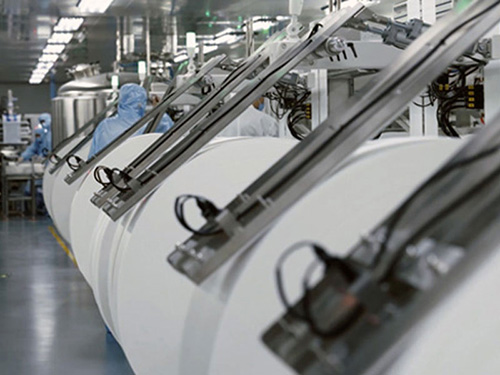
Bamboo Wet Wipes for Private Label Brands
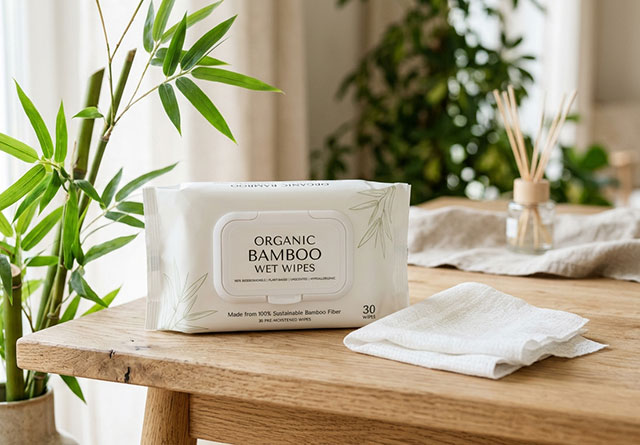
Bamboo wet wipes offer brands an option for developing plant-based hygiene products, but selecting the right fiber is only one part of a successful product launch. Buyers also need to consider substrate construction, liquid formulation, wipe dimensions, packaging performance, and the requirements of their target market.
For brands planning to add bamboo wipes to an existing product range, working with an experienced manufacturer can simplify material selection and product development. SYWIPE supports customized wet wipes projects for brands, retailers, importers, and distributors seeking flexible OEM and private label solutions.
If your goal is to develop a broader range of biodegradable wet wipes, bamboo fiber can be one material option to evaluate alongside other plant-based substrates.
Choosing the Right Bamboo Fiber Substrate
The term bamboo wipes does not automatically mean that a finished product consists entirely of untreated bamboo fiber. Depending on the material supplier and manufacturing process, bamboo-derived cellulose may be processed into regenerated fibers and incorporated into nonwoven fabrics.
Before placing an order, buyers should confirm the actual fiber composition rather than relying on the product name or environmental marketing claims.
Several factors influence substrate selection:
Fiber composition: Confirm whether the fabric uses bamboo-derived viscose, another bamboo-based fiber, or a blend with additional materials.
Softness: Evaluate how the substrate feels during use, particularly for baby care, facial cleansing, and personal hygiene applications.
Absorbency: Check how evenly the fabric absorbs and distributes the cleaning solution.
Wet strength: Test whether the wipe remains intact during dispensing and normal use.
Fabric weight: Compare suitable GSM options to balance thickness, handling performance, and product cost.
The right specification depends on the intended application. A premium facial wipe may prioritize a soft texture, while a household wipe may require greater durability during cleaning.
For a broader comparison of substrate specifications and available formats, review SYWIPE’s wet wipes materials and packaging options.
Matching the Formula to the Fabric
A bamboo-based substrate must work well with the liquid formulation. Even when two products use similar fabric, their performance can differ because of the cleaning solution, moisture level, and packaging.
For personal care products, brands may consider fragrance-free formulas, moisturizing ingredients, or other options suited to their intended positioning. Baby care, facial cleansing, and general hygiene products may require different formulation priorities.
During product development, buyers should evaluate:
• Compatibility between the substrate and liquid formula.
• Moisture distribution throughout the pack.
• Fabric softness and strength after saturation.
• Formula stability and preservation requirements.
• Skin compatibility and applicable product safety requirements.
Ingredient choices should be based on the intended use and relevant testing rather than assumptions that bamboo fiber alone makes a wipe hypoallergenic or antibacterial.
SYWIPE can support product development discussions covering substrate selection and customized formulations. The final formula and product claims should be confirmed through appropriate technical review and testing.
Selecting Wipe Size, Thickness, and Sheet Count
Product specifications affect the customer experience, packaging dimensions, and production costs. Before requesting a quotation, brands should establish a practical specification range.
Specification | What buyers should consider |
Fabric GSM | Balance softness, thickness, strength, and cost |
Wipe dimensions | Match the intended cleaning area and application |
Sheet count | Choose a format suited to the retail price and usage frequency |
Moisture level | Maintain suitable wetness without excessive leakage |
Fold pattern | Ensure convenient dispensing and consistent packing |
For example, a compact facial cleansing pack may suit travel and everyday skincare, while a larger pack may be more appropriate for family hygiene products.
These are development considerations rather than fixed specifications. Final dimensions, GSM, and sheet counts should be confirmed with the manufacturer according to the product concept and packaging format.
Choosing Packaging for Your Target Market
Packaging influences product usability, moisture retention, shipping efficiency, and shelf presentation. Bamboo wet wipes can be developed in different formats depending on the intended sales channel and product positioning.
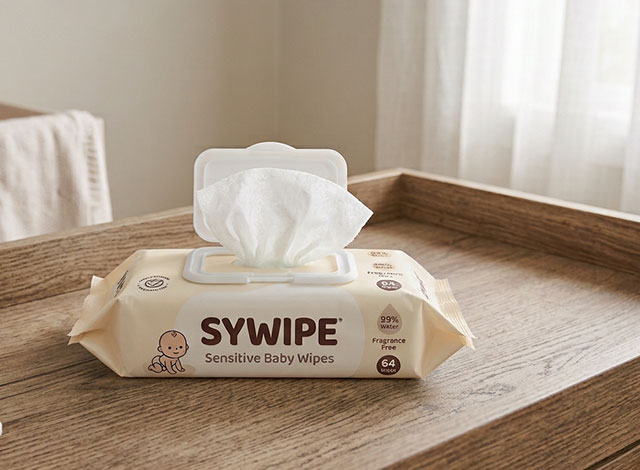
Soft packs are suitable for many everyday hygiene and personal care products. Resealable labels or flip-top lids can help consumers access the wipes while limiting moisture loss between uses.
Refill packs can support product lines designed around reusable containers, provided the packaging system is compatible with the intended wipes.
Individual sachets may be considered for travel, hospitality, promotional distribution, or other applications where single-use convenience is important.
For private label projects, buyers should also consider artwork, product naming, mandatory labeling, packaging material specifications, and the appearance of the finished product.
A manufacturer’s available packaging formats and customization options should be confirmed before artwork approval. Packaging selection should account for both brand presentation and production feasibility.
Evaluating Environmental Claims and Product Performance
Bamboo grows relatively quickly, making it an important renewable feedstock for some fiber products. However, the environmental performance of a finished wet wipe depends on more than the plant from which its fibers originate.
The fiber conversion process, fabric composition, cleaning solution, packaging, and disposal conditions can all affect the overall environmental profile.
Before making claims such as biodegradable, compostable, plastic-free, or flushable, brands should verify that the complete product meets the relevant definition and has appropriate supporting evidence.
In particular, a bamboo-based wipe should not automatically be marketed as flushable. A product’s suitability for disposal through toilets requires separate assessment of its construction and applicable dispersibility or flushability requirements.
For international distribution, buyers should also review the labeling and environmental marketing rules that apply in their destination markets.
Clear, substantiated claims help brands communicate product benefits more responsibly and reduce the risk of misleading consumers.
From Product Brief to Mass Production
Developing private label bamboo wipes involves several connected decisions. A structured process helps buyers identify problems before committing to a large production order.
1. Define the product concept. Specify the target customer, application, sales channel, and intended price positioning.
2. Confirm the material. Review fiber composition, fabric weight, softness, absorbency, and strength requirements.
3. Develop the formula. Select a suitable liquid formulation based on the intended use and material compatibility.
4. Approve samples. Evaluate the actual substrate, moisture level, dispensing experience, fragrance if applicable, and packaging.
5. Validate the packaging and claims. Confirm artwork, labeling, material declarations, and supporting documentation.
6. Confirm production specifications. Agree on the final product requirements, quality checks, order quantity, and delivery arrangements before mass production.
Sample approval is especially important when launching a new product. It allows the buyer and manufacturer to identify specification changes before they affect a larger order.
Brands with specialized requirements can discuss wet wipes product development with SYWIPE, including material evaluation, formula development, and production validation.
Working with a Private Label Bamboo Wipes Manufacturer
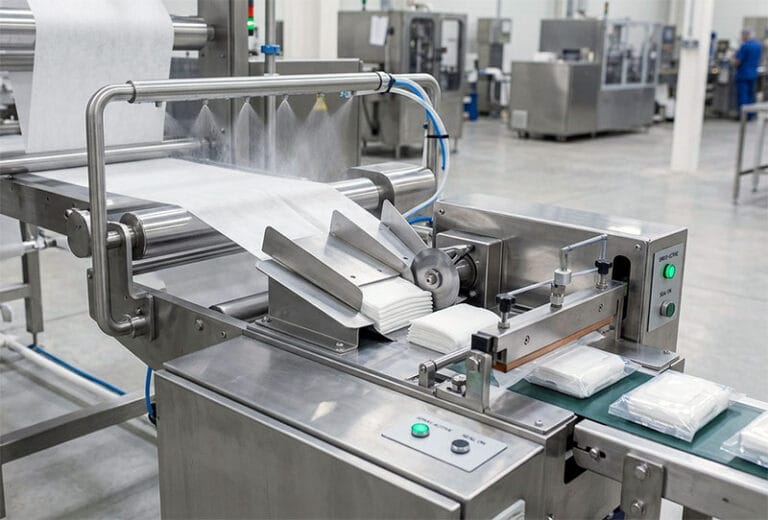
For brands, retailers, and distributors, a reliable manufacturing partner should offer more than access to bamboo-based fabric. The supplier should be able to discuss material composition, formula compatibility, packaging feasibility, quality requirements, and production consistency.
Before selecting a supplier, ask for the relevant material specifications, available test reports or certifications, sample options, production lead times, and minimum order quantities. These details help you compare proposals on a consistent basis.
SYWIPE supports customized wet wipes manufacturing, including substrate selection, formulation, packaging, and private label branding. Specifications and order terms can be discussed according to the intended application, target market, and project requirements.
If you are planning a new bamboo wipes product or expanding an existing hygiene range, visit our private label wet wipes solutions to discuss your product concept.
Frequently Asked Questions
Are bamboo wet wipes made from 100% bamboo fiber?
Not necessarily. Some products use bamboo-derived regenerated cellulose fibers, while others may contain blends of different fibers. Buyers should confirm the exact composition from the manufacturer’s technical specifications.
Are bamboo wet wipes biodegradable?
Some bamboo-based wipes may be biodegradable under appropriate conditions, but this depends on the complete fabric construction, other ingredients, and the conditions in which the product is tested. Verify the finished product’s supporting evidence before making a biodegradability claim.
Can bamboo wet wipes be customized for a private label brand?
Yes. Depending on the manufacturer’s capabilities, customization may include fabric composition, GSM, wipe dimensions, liquid formula, sheet count, packaging, and branding. Final options and minimum order quantities should be confirmed for each project.
Are bamboo wet wipes safe for sensitive skin?
Suitability depends on the complete product, including its substrate, ingredients, preservation system, and intended use. Brands should evaluate the finished formula and relevant safety evidence rather than assuming that bamboo fiber alone guarantees skin compatibility.
Can bamboo wet wipes be flushed down the toilet?
Do not assume that bamboo-based wipes are flushable. Fiber origin does not establish whether a finished wipe disperses appropriately in wastewater systems. Follow the product’s verified disposal instructions and applicable local guidance.
Develop Your Bamboo Wet Wipes Product
Choosing a suitable bamboo substrate is the starting point, not the entire product development process. The best results come from matching the fabric, formula, dimensions, packaging, and quality requirements to the needs of your target market.
SYWIPE works with brands and distributors to develop customized wet wipes with flexible material, formulation, and packaging options.
Planning a private label bamboo wipes project? Contact SYWIPE to discuss your specifications, sample requirements, and manufacturing options.