Are 70% Alcohol Wipes Safe for Electronics?
70% isopropyl alcohol (IPA) wipes can be suitable for cleaning certain electronic surfaces, but they are not safe for every device or screen coating. Before using them, check the device manufacturer’s cleaning instructions and confirm that the product is intended for the specific surface. Excess liquid must be kept away from ports, openings, and internal components.
For smartphones, laptops, tablets, monitors, and other electronic devices, cleaning and disinfection are not the same task. Choosing the right electronic wipes depends on the surface material, cleaning requirements, and formula compatibility. A wipe designed to remove fingerprints may not be suitable for disinfection, while an alcohol-based wipe may be incompatible with some protective coatings, plastics, adhesives, or finishes.
For businesses developing electronic cleaning products, choosing the right formula involves balancing cleaning performance, moisture control, material compatibility, and packaging requirements.
What Does 70% Isopropyl Alcohol Do?
Isopropyl alcohol is a solvent used in various cleaning and disinfection products. At an appropriate concentration, it can help remove certain surface contaminants and reduce microorganisms on compatible surfaces.
A 70% IPA solution contains approximately 70% isopropyl alcohol by volume when specified on that basis. The remaining portion is primarily water and may include other ingredients depending on the finished product.
The water content influences evaporation and antimicrobial activity. However, the effectiveness of a finished wipe depends on more than alcohol concentration alone. The formulation, amount of liquid delivered, contact time, target microorganism, and surface all affect performance.
Three points are important when evaluating alcohol wipes for electronics:
• Cleaning performance: IPA can help remove certain oily marks and residues from compatible surfaces.
• Disinfection performance: Antimicrobial effectiveness depends on the formulation, required contact time, and supporting efficacy data.
• Material compatibility: Alcohol may affect some screen coatings, plastics, adhesives, painted finishes, and rubber components.
A product containing 70% IPA should therefore not automatically be described as safe for every electronic device or effective against every microorganism.
Can You Use 70% Alcohol Wipes on Electronic Devices?
The answer depends on the device, the surface being cleaned, and the manufacturer’s instructions.
Smartphones and Tablets
Some device manufacturers permit wipes containing 70% isopropyl alcohol on specified exterior surfaces. Others may impose restrictions on coatings, materials, or cleaning methods.
Before cleaning a smartphone or tablet, check the manufacturer’s current guidance. If alcohol wipes are permitted, use a wipe intended for that application and avoid excessive moisture.
Do not assume that a wipe suitable for the glass display is also suitable for camera coatings, protective films, charging ports, buttons, or the entire device housing.
Laptops and Computer Monitors
Computer screens may have anti-glare, anti-reflective, or other specialized coatings. These surfaces may require different cleaning methods from keyboards and external housings.
Follow the equipment manufacturer’s instructions for the specific screen and exterior materials. When a dry microfiber cloth or a designated screen cleaner is recommended, do not substitute an alcohol wipe without confirming compatibility.
For keyboards and external computer surfaces, avoid allowing liquid to enter gaps between keys, connectors, or other openings.
TVs and Other Display Screens
Large displays can be particularly sensitive to inappropriate cleaning products. Some manufacturers advise against alcohol-based cleaners on their screens.
Do not apply a general-purpose disinfecting wipe to a TV or monitor merely because it is labeled for electronics. Check the screen manufacturer’s instructions and use only an approved cleaning method.
Keyboards, Mice, and Electronic Accessories
Some hard, nonporous exterior surfaces may tolerate alcohol-based wipes when the equipment manufacturer permits them.
Disconnect wired accessories when appropriate, turn off the equipment, and use a wipe that is damp rather than dripping. Avoid forcing moisture into seams, switches, connectors, or other openings.
For shared office equipment, the cleaning method should also account for the manufacturer’s instructions and the hygiene requirements of the workplace.
What Are the Risks of Using Alcohol Wipes on Electronics?
Alcohol wipes are convenient, but improper use can damage sensitive surfaces or allow liquid to reach internal components.
1. Damage to Protective Coatings
Some screens and optical surfaces have coatings that may deteriorate when exposed to incompatible cleaning agents. Repeated use can be especially problematic when the manufacturer does not recommend alcohol.
2. Liquid Entering Device Openings
Excess moisture can enter charging ports, speaker openings, buttons, seams, or other vulnerable areas. This may cause malfunctions even when the cleaning solution evaporates quickly.
3. Changes to Plastics and Finishes
Certain plastics, painted surfaces, adhesives, and rubber components may react poorly to alcohol. Compatibility should be confirmed before routine cleaning.
4. Visible Streaks or Residue
A wipe may leave streaks or visible deposits depending on its formula, substrate, liquid distribution, and the surface being cleaned. Alcohol concentration alone does not guarantee a residue-free result.
5. Fire Risk
Isopropyl alcohol is flammable. Keep alcohol wipes away from flames, sparks, and hot surfaces, and follow the product’s storage and handling instructions.
These risks explain why the most suitable wipe is not necessarily the one with the highest alcohol concentration. The correct choice depends on the device, intended use, and verified compatibility.
How to Clean Electronics with Alcohol Wipes Safely
When the device manufacturer permits alcohol wipes, follow these precautions.
Step 1: Turn Off the Device
Switch off the device and disconnect its power source when appropriate. Follow the manufacturer’s instructions for battery-powered equipment and connected accessories.
Step 2: Check the Cleaning Instructions
Confirm that isopropyl alcohol is permitted for the surface you intend to clean. Pay particular attention to screens, protective coatings, camera lenses, and finished plastic components.
Step 3: Choose a Suitable Wipe
Use a product intended for the relevant electronic surface. The wipe should not be dripping wet, and its formula should be compatible with the device.
Step 4: Wipe Gently
Apply light pressure and avoid excessive rubbing. Do not spray cleaning liquid directly onto the device or allow liquid to collect around openings.
Step 5: Allow the Surface to Dry
Follow the product instructions and the device manufacturer’s guidance before reconnecting or powering on the equipment. Do not assume that a surface is dry simply because alcohol evaporates quickly.
Step 6: Store the Wipes Correctly
Reseal the package after use and follow the storage instructions. Proper sealing helps maintain the intended moisture level and prevents the remaining wipes from drying out prematurely.
For devices used in healthcare, laboratories, industrial facilities, or other controlled environments, follow the applicable cleaning and disinfection procedures rather than relying on general consumer advice.
How to Choose the Right Electronic Cleaning Wipes
For consumers, the priority is compatibility with the device. For brands, retailers, and distributors developing electronic cleaning wipes, the selection process involves additional product specifications.
Match the Formula to the Intended Surface
Start by identifying the target application. Screen cleaning, general exterior cleaning, and antimicrobial disinfection are different product objectives.
An alcohol-based formula may be considered where appropriate, while an alcohol-free formulation may be more suitable for other applications. Neither option is universally compatible with all electronics.
Formula selection should account for the target materials, cleaning requirements, evaporation behavior, residue, and any applicable efficacy or regulatory requirements.
Evaluate the Wipe Material
The substrate influences softness, absorbency, lint release, liquid retention, and wiping performance.
For screen-oriented applications, brands may evaluate soft, low-lint nonwoven materials. The selected substrate should be tested alongside the finished formula to assess surface compatibility, wet strength, and residue.
Manufacturers developing electronic cleaning products can review available wet wipes materials before finalizing the product specification.
Control Moisture and Liquid Distribution
The amount of liquid in each wipe affects both cleaning performance and handling. Too much liquid may increase the risk of moisture reaching vulnerable areas, while insufficient liquid may compromise the intended cleaning performance.
Product development should evaluate wipe dimensions, liquid loading, consistency between sheets, evaporation, and package moisture retention.
Select Appropriate Packaging
Packaging should protect the formula and support the intended use.
Individual sachets: Suitable for portable cleaning kits, travel products, and single-use applications.
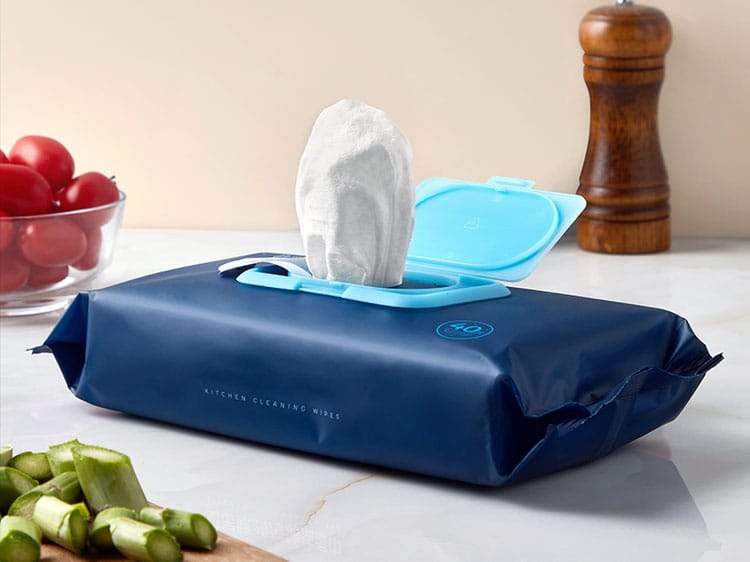
Resealable soft packs: Suitable for multi-wipe consumer and workplace products.
Canisters or tubs: Potentially suitable for desktop, office, and other settings requiring repeated dispensing.
The final format should be assessed for seal integrity, formula compatibility, moisture retention, dispensing performance, and the intended shelf life.
For brands planning a customized electronic cleaning product, these factors should be evaluated together rather than treating the formula, substrate, and packaging as independent decisions.
Developing Private Label Alcohol Wipes for Electronics
Brands entering the electronic cleaning market need a clear product specification before selecting an alcohol concentration or requesting a manufacturing quotation.
The development process should begin with the target market and intended application. Specify whether the product is designed for compatible screens, external device surfaces, or a defined disinfection purpose.
Next, establish the required formula, wipe dimensions, substrate properties, liquid loading, sheet count, and packaging format. These requirements influence product performance, manufacturing feasibility, labeling, and cost.
Samples should then be evaluated against the intended use. Relevant checks may include cleaning performance, visible residue, lint release, moisture consistency, material compatibility, and packaging integrity.
Where disinfection claims are intended, the finished product must also meet applicable efficacy, labeling, and regulatory requirements. A nominal 70% alcohol concentration alone does not substantiate every antimicrobial claim.
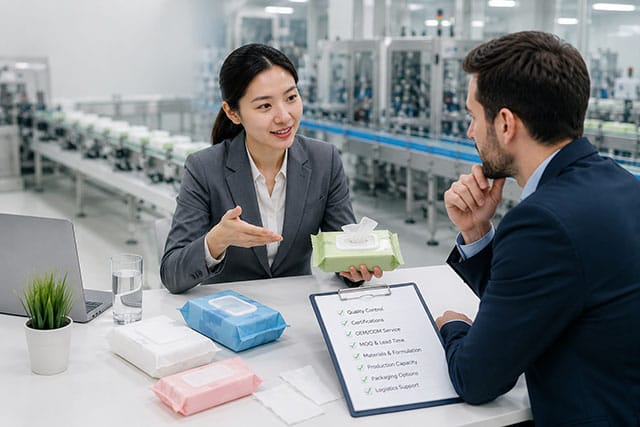
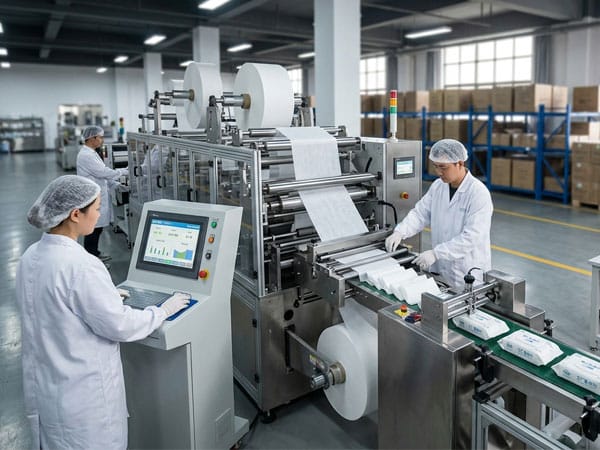
SYWIPE develops customized electronic wipes for brands serving consumer electronics, office equipment, and device-care markets. Formula, material, wipe size, moisture level, and packaging requirements can be assessed according to the intended application and sample evaluation.
Brands can also review private label wet wipes solutions when planning a customized cleaning product for their target market.
Frequently Asked Questions
Are 70% isopropyl alcohol wipes safe for all electronics?
No. Compatibility depends on the device materials, coatings, and manufacturer’s cleaning instructions. Some surfaces tolerate alcohol-based wipes, while others may be damaged by them.
Can I use 70% alcohol wipes on my phone screen?
Only if the phone manufacturer’s guidance permits this cleaning method. Check the instructions for the specific model and avoid allowing liquid to enter openings or seams.
Do 70% alcohol wipes disinfect electronic surfaces?
They may disinfect compatible surfaces when the finished product is effective against the relevant microorganisms and is used according to its validated instructions. Alcohol concentration alone does not guarantee a particular disinfection result.
Are alcohol-free wipes better for electronics?
Not in every situation. Alcohol-free wipes may be suitable for certain surfaces, but their performance and compatibility depend on the formula. Choose a product based on the intended application and device manufacturer’s guidance.
What should brands consider when sourcing electronic cleaning wipes?
Brands should evaluate formula compatibility, substrate softness, lint release, liquid loading, residue, packaging integrity, quality control, and applicable regulatory requirements. Samples should be tested against the intended use before mass production.
Develop Electronic Cleaning Wipes with SYWIPE
Choosing an electronic cleaning wipe requires more than selecting an alcohol concentration. The formula, substrate, moisture level, packaging, and intended surface must work together to deliver consistent performance.
SYWIPE supports customized electronic wipe development for brands, distributors, and retailers seeking product specifications tailored to their markets.
To discuss a project, prepare your target application, preferred wipe dimensions, formula requirements, packaging format, and estimated order quantity.
Contact SYWIPE to discuss your electronic cleaning wipe requirements.