What Is Wood Pulp Toilet Paper?
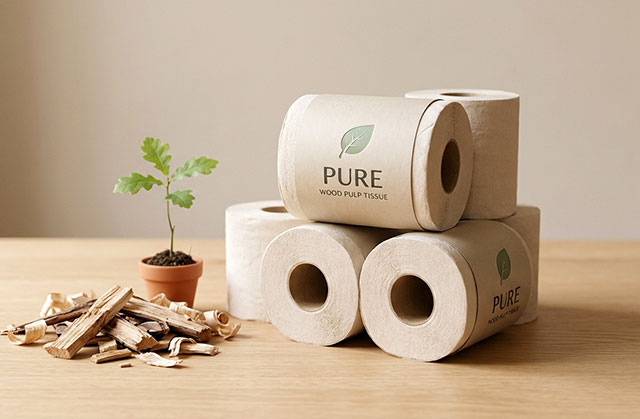
Wood pulp toilet paper is a sanitary paper product made from processed wood fibers. Manufacturers separate the fibers from wood, prepare the pulp, form it into thin sheets, and convert the paper into finished rolls. Its softness, strength, and absorbency depend on the pulp source, manufacturing process, and finished-paper design.
Although dry toilet paper and wet toilet tissue serve related hygiene needs, they differ in substrate structure, moisture content, and product performance. Understanding these differences helps buyers evaluate materials according to their intended applications.
Wood pulp is widely used in tissue manufacturing because its fiber properties can be adjusted to meet different product requirements. Understanding the manufacturing process, the differences between virgin and recycled pulp, and the environmental considerations can help buyers and consumers make informed decisions.
What Is Wood Pulp in Toilet Paper?
Wood pulp is a fibrous material produced by processing wood to separate its cellulose fibers. These fibers form the basic structure of toilet paper and other tissue products.
Hardwood and softwood are two common sources of papermaking pulp. Hardwood species, such as eucalyptus, generally provide shorter fibers that can contribute to a smooth paper surface. Softwood species, such as pine, typically provide longer fibers that can contribute to sheet strength.
Manufacturers may blend different pulp grades to achieve the desired balance of softness, strength, and production efficiency.
The finished paper also depends on refining, sheet formation, creping, embossing, and ply construction. Therefore, the term “wood pulp toilet paper” does not automatically indicate a particular quality level or environmental benefit.
How Is Wood Pulp Toilet Paper Made?
Wood pulp toilet paper manufacturing involves several stages, from preparing the raw material to converting the finished paper into rolls.
1. Wood Preparation and Pulping
Wood is debarked and cut into chips before being processed into pulp. Mechanical or chemical methods separate the fibers, depending on the required pulp properties and manufacturing process.
Chemical pulping is commonly used for tissue grades that need a suitable balance of strength and softness. The selected process influences fiber characteristics, pulp quality, and production requirements.
2. Pulp Cleaning and Bleaching
After pulping, the material is cleaned to remove unwanted substances and prepare it for papermaking.
When white toilet paper is required, the pulp may undergo bleaching to achieve the desired brightness. Different bleaching methods are available, including chlorine-free processes. Buyers should verify a manufacturer’s actual process rather than assume all white toilet paper is produced in the same way.
Some products retain a natural brown color by using unbleached pulp.
3. Sheet Formation and Drying
The prepared pulp is mixed with water and distributed across a paper machine to form a thin sheet. Water is removed through drainage, pressing, and drying.
Consistent sheet formation helps maintain uniform thickness, appearance, and performance. Variations in fiber distribution or moisture control can affect the finished paper’s strength and softness.
4. Creping and Embossing
Creping gives tissue paper its characteristic texture and contributes to its softness and flexibility. Embossing creates patterns on the paper surface and may improve appearance or help bond multiple plies together.
The manufacturer adjusts these processes according to the intended product specifications.
5. Converting and Packaging
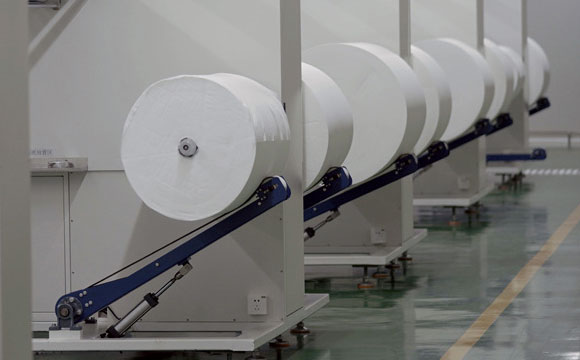
Large tissue reels are converted into finished products. Depending on the design, the paper may be perforated, embossed, cut, and wound into rolls before packaging.
Manufacturers can adjust roll dimensions, sheet count, ply structure, and packaging formats to meet household, hospitality, and commercial requirements.
Virgin Wood Pulp vs. Recycled Pulp Toilet Paper
Virgin wood pulp and recycled pulp are two common raw-material options for toilet paper. Their properties depend on the original fibers and the processing methods used.
Virgin wood pulp comes from newly processed wood fibers. Manufacturers can select and blend pulp grades to achieve specific softness, strength, and sheet-forming characteristics.
Recycled pulp is produced from recovered paper materials. Its quality depends on the original paper, collection and sorting methods, cleaning, deinking, and fiber condition. Recycled fibers may become shorter through repeated processing, which can affect the strength and texture of the finished paper.
Neither material automatically guarantees a superior product. The best choice depends on the intended application, performance requirements, production capabilities, and environmental priorities.
For procurement teams, comparing finished-paper samples, technical specifications, and supporting documentation is more useful than selecting a product based on its pulp source alone.
What Are the Advantages of Wood Pulp Toilet Paper?
Wood pulp toilet paper remains widely used because manufacturers can produce it in different grades and configurations.
Softness and Comfort
The softness of toilet paper depends on fiber characteristics, sheet structure, creping, and processing conditions. Properly manufactured wood pulp tissue can provide a comfortable surface for everyday bathroom use.
However, softness varies between products. Buyers should evaluate the finished paper rather than rely exclusively on descriptions of the raw material.
Strength and Absorbency
Wood pulp fibers form the structure of the paper sheet. Fiber selection, refining, sheet formation, and ply construction all influence tensile strength and absorbency.
A well-designed product balances these characteristics with softness. More plies do not necessarily mean proportionally better performance because the quality and construction of each layer also matter.
Flexible Product Specifications
Wood pulp toilet paper can be produced in different widths, roll lengths, ply counts, sheet dimensions, and embossing patterns.
This flexibility allows manufacturers to serve different market segments, from everyday household products to commercial bathroom supplies.
Established Manufacturing Processes
Wood pulp is supported by established pulp and tissue manufacturing technologies. Production volumes and product specifications can be adjusted to meet different market requirements.
The final product cost depends on pulp grade, energy and water consumption, converting efficiency, packaging, order volume, and transportation.
Is Wood Pulp Toilet Paper Environmentally Friendly?
The environmental impact of wood pulp toilet paper depends on raw-material sourcing, manufacturing efficiency, resource consumption, and disposal conditions.
Virgin wood pulp relies on forest resources. Responsible sourcing and forest management can help address concerns about forest loss, but buyers should verify relevant sourcing information and certifications instead of relying on general environmental claims.
Pulp and paper manufacturing also requires water and energy. Production methods, wastewater treatment, energy sources, and resource-recovery systems can influence the overall environmental footprint.
Recycled pulp can reduce reliance on virgin fibers, although collecting, sorting, cleaning, and processing recovered paper also require resources.
Bamboo is another plant-based fiber source used in certain paper and hygiene products. Its growth characteristics and fiber properties differ from those of wood. Brands considering alternative substrates may also review products such as bamboo wet wipes when evaluating material options for personal care applications. However, bamboo and wood should not be ranked by environmental performance without considering sourcing, manufacturing, transportation, and product durability.
When comparing products, buyers should look for verifiable sourcing claims, applicable certifications, and clear information about manufacturing practices. Terms such as “natural,” “eco-friendly,” and “biodegradable” should not be treated as proof of overall environmental superiority.
How to Choose the Right Wood Pulp Toilet Paper
Choosing suitable toilet paper involves more than comparing prices or checking whether the product uses virgin or recycled pulp.
1. Consider the Intended Application
Household, hospitality, and high-traffic commercial environments may have different requirements for softness, roll size, sheet count, and consumption rate.
Identify the intended use before comparing product specifications.
2. Compare Softness and Strength
Evaluate representative samples under normal conditions. Check surface feel, resistance to tearing, absorbency, and consistency.
For commercial buyers, maintaining consistent quality across production batches is especially important.
3. Review Ply Count and Sheet Dimensions
Single-ply and multi-ply products serve different market needs. Compare the number of plies, sheet dimensions, roll length, perforation, and embossing pattern.
These specifications provide a clearer picture of the product than ply count alone.
4. Verify Material and Sourcing Claims
Ask suppliers to identify the pulp type and provide supporting documentation for recycled-content, responsible-sourcing, or environmental claims.
If a product carries a certification, verify that it applies to the relevant material, product, or supply chain.
For brands developing moistened hygiene products rather than dry toilet paper, reviewing available wet wipes materials can help clarify how substrate selection differs according to the intended application, liquid formulation, and packaging requirements.
5. Consider Packaging and Total Cost
Packaging affects product protection, storage, transportation, and retail presentation. Buyers should compare the total delivered cost, including packaging, order volume, shipping, and quality requirements.
A lower unit price may not represent better value if the product fails to meet performance or consistency requirements.
Wood Pulp Toilet Paper vs. Wet Toilet Tissue
Wood pulp toilet paper and wet toilet tissue serve related but different purposes.
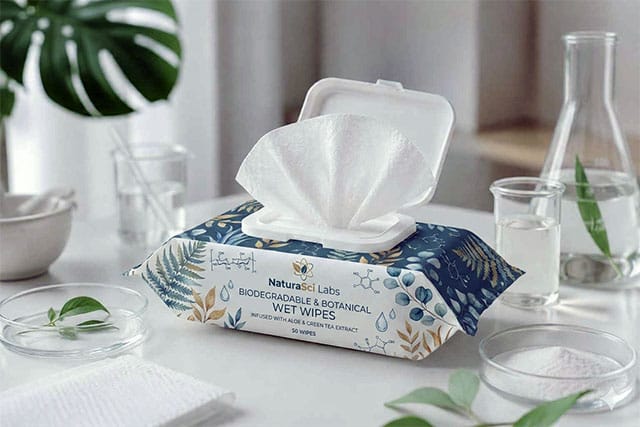
Wood pulp toilet paper is a dry paper product designed for routine bathroom use. By comparison, wet toilet tissue is a pre-moistened product made with a suitable substrate and a liquid formulation.
The substrate, liquid ingredients, packaging, and disposal guidance for wet toilet tissue differ from those of dry toilet paper. Wet toilet tissue should not automatically be considered flushable simply because its substrate contains wood pulp or other plant-based fibers.
Flushability depends on the complete product construction and relevant testing. Buyers should review the product’s disposal instructions and supporting test documentation before making claims about sewer compatibility.
For brands evaluating flushable wet wipes, substrate selection and product testing are important considerations. A plant-based fiber description alone does not establish that a finished wipe is suitable for flushing.
Frequently Asked Questions
Is all toilet paper made from wood pulp?
No. Toilet paper can be made from virgin wood pulp, recycled pulp, or other suitable fibers. Some products use alternative plant-based materials. The exact composition depends on the manufacturer’s specifications.
What is the difference between virgin wood pulp and recycled pulp?
Virgin wood pulp comes from newly processed wood fibers, while recycled pulp comes from recovered paper materials. Their properties depend on fiber quality and processing. The finished product’s softness and strength cannot be determined from pulp source alone.
Is wood pulp toilet paper biodegradable?
Cellulose-based toilet paper can generally biodegrade under suitable environmental conditions, but the rate depends on the paper’s composition, additives, and disposal environment. Biodegradability is not the same as flushability. Products should be disposed of according to local wastewater guidance.
Is bamboo pulp better than wood pulp for toilet paper?
Not in every situation. Bamboo and wood pulp have different fiber properties and sourcing considerations. The better option depends on product performance, sourcing practices, manufacturing processes, and environmental priorities.
Can wood pulp be used to manufacture wet toilet tissue?
Wood-derived fibers may be used in certain wet toilet tissue substrates. Suitability depends on wet strength, softness, compatibility with the liquid formulation, packaging requirements, and intended disposal method. Flushability claims require appropriate evidence for the complete product.
Conclusion
Wood pulp toilet paper is a widely used sanitary paper product whose performance depends on raw-material selection, fiber processing, sheet formation, converting, and product design.
Virgin wood pulp and recycled pulp each have potential advantages and limitations. Buyers should consider softness, strength, absorbency, ply structure, sourcing information, packaging, and total cost rather than relying on a single material claim.
For brands developing wet toilet tissue, material selection requires a different assessment because the substrate must perform appropriately when moistened and packaged. Understanding these differences helps buyers choose materials that match their product requirements and intended applications.