Top 5 Industrial Wet Wipes Manufacturers in 2026
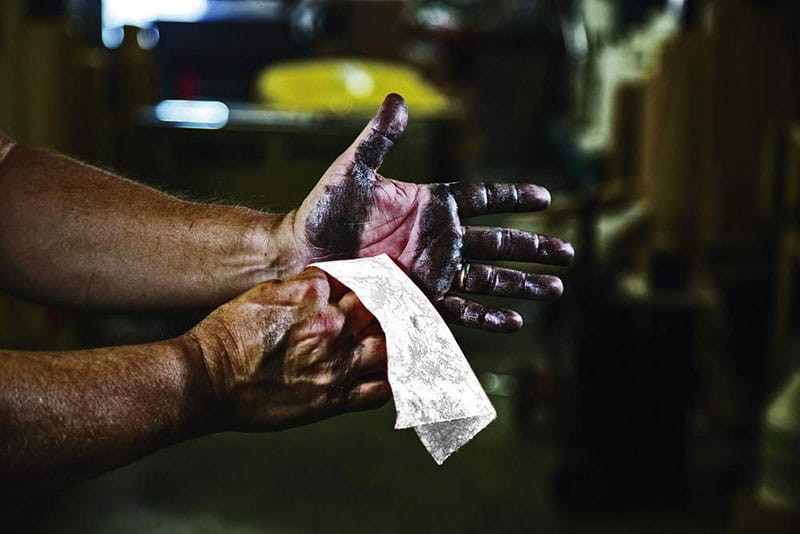
When companies look for an industrial wet wipes manufacturer, the decision is rarely just about finding a supplier with the lowest price. Industrial cleaning products are closely connected with production efficiency, workplace safety, and maintenance performance. A reliable manufacturer needs to understand different industrial environments and provide solutions that remain consistent from the first order to long-term supply.
In automotive repair shops, factories, warehouses, electronics facilities, and maintenance operations, cleaning challenges are becoming more demanding. Workers need wipes that can remove grease, oil, dust, and industrial residues while maintaining strength and reliability during daily use.
This is why more businesses are choosing professional industrial wet wipes manufacturers instead of relying on general cleaning suppliers. The right manufacturing partner can provide not only high-quality wipes but also customized materials, formulations, packaging, and production support.
SYWIPE is an experienced industrial wet wipes manufacturer providing OEM and private label solutions for brands, distributors, and industrial buyers worldwide. With professional manufacturing experience and flexible customization capabilities, SYWIPE helps companies develop industrial wipes designed for different market requirements.
The Growing Demand for Professional Industrial Wet Wipes
Industrial cleaning has changed significantly over the past decade. Companies today are not only looking for products that remove dirt and grease; they are looking for cleaning solutions that improve efficiency and reduce operational risks.
Traditional reusable cloths can create several challenges. They often require additional washing, may leave fibers behind, and cannot always provide consistent cleaning results. Disposable industrial wipes offer a more convenient alternative because they are ready to use, hygienic, and designed for specific applications.
For example, automotive technicians often need strong wipes that can handle oil and grease. Manufacturing facilities may require low-lint wipes for equipment maintenance. Electronics companies need products that clean effectively without damaging sensitive surfaces.
Because every industry has different requirements, choosing the right supplier becomes an important decision. A professional manufacturer should understand the relationship between fabric technology, cleaning formulas, packaging design, and final application.
What Makes a Reliable Industrial Wet Wipes Manufacturer?
Choosing an industrial wipes supplier is different from purchasing a standard cleaning product. Buyers need to consider whether the manufacturer can support product development, maintain stable quality, and provide long-term supply capability.
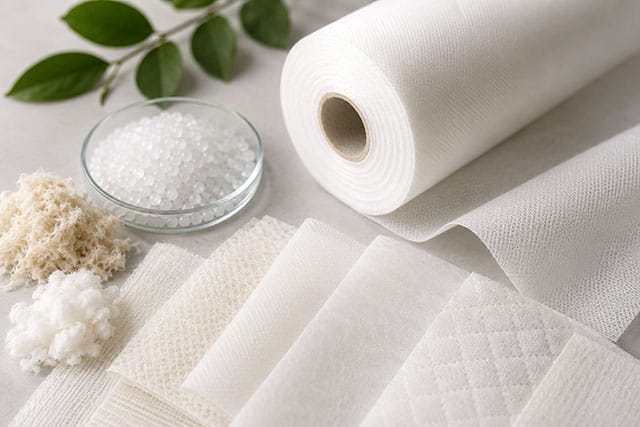
A strong manufacturer usually starts with material selection. The fabric determines the durability, absorbency, and cleaning performance of the wipe. Spunlace nonwoven materials are commonly used because they provide excellent strength and softness, while other materials may be selected for applications that require special performance, such as heavy-duty cleaning or low-lint requirements.
Formula development is another important factor. Industrial wipes are not simply wet fabrics. The cleaning solution inside the wipe needs to match the application. A wipe designed for removing grease from machinery requires different characteristics from one used for cleaning delicate equipment.
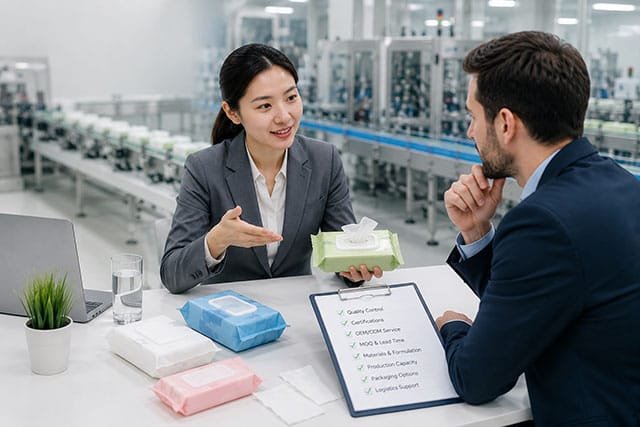
For companies developing their own brands, manufacturing flexibility is equally important. A capable OEM partner should be able to support packaging customization, product specifications, and private label development.
Ultimately, the best manufacturer is not only a producer but also a partner that helps businesses create products suitable for their target markets.
Top 5 Industrial Wet Wipes Manufacturers to Consider in 2026
The global industrial wipes market includes manufacturers with different strengths. Some companies focus on large-scale production, while others specialize in flexible OEM services and customized solutions.
The following five manufacturers represent different approaches within the industry and are worth considering for businesses looking for reliable industrial wipes supply.
SYWIPE — Flexible OEM Industrial Wet Wipes Manufacturer
For brands and distributors looking for customized industrial wipes solutions, SYWIPE provides a manufacturing approach focused on flexibility and product development.
Based in China, SYWIPE has more than 20 years of wet wipes manufacturing experience and supports customers across international markets. The company works with businesses that need customized industrial wipes, from material selection and formula development to packaging design and mass production.
Unlike suppliers that only provide standard products, SYWIPE focuses on helping customers create products based on specific market requirements. Whether the application involves grease removal, equipment maintenance, workshop cleaning, or professional industrial use, customized solutions can be developed according to customer needs.
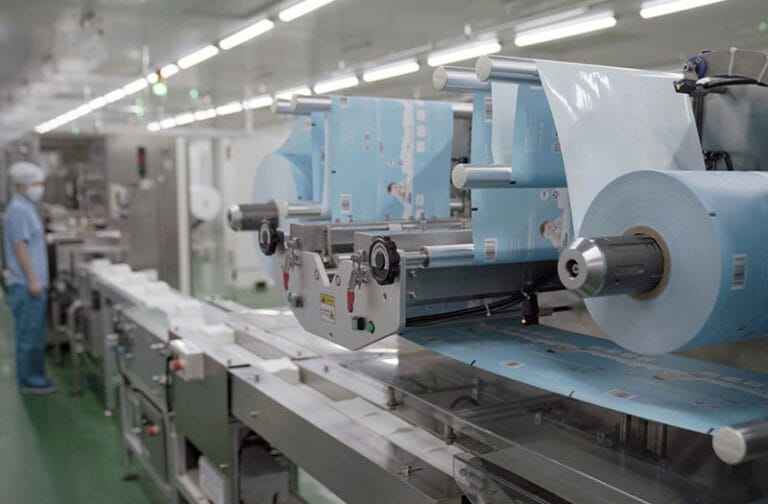
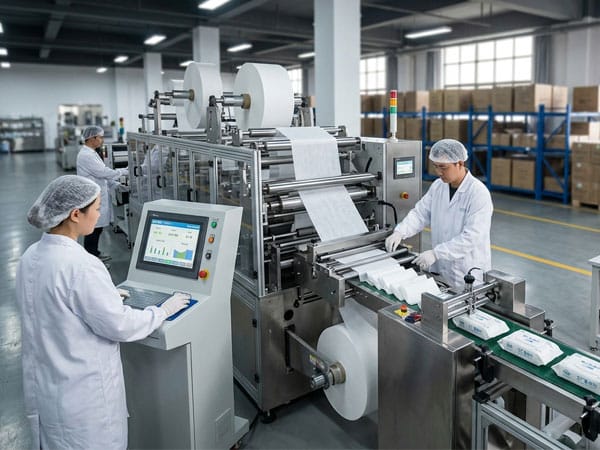
With automated production lines, quality control systems, and export experience, SYWIPE supports companies that want a reliable manufacturing partner rather than simply a product supplier.
For businesses planning to launch or expand their own cleaning product lines, SYWIPE also provides private label wet wipes solutions that allow brands to develop customized products without investing in their own factory infrastructure.
Kimberly-Clark Professional — Global Workplace Cleaning Solutions
Kimberly-Clark Professional is one of the well-known names in workplace hygiene and professional cleaning products. The company has built a strong presence in industrial, commercial, and institutional markets by providing standardized cleaning solutions for businesses worldwide.
Large organizations often choose established suppliers like Kimberly-Clark Professional because of their global distribution networks and recognized product consistency.
For buyers who prioritize brand reputation, supply stability, and widely available professional hygiene products, Kimberly-Clark Professional remains an important company in the industrial cleaning market.
However, businesses looking for highly customized OEM products or flexible private label development may prefer manufacturers that specialize more heavily in customization.
Rockline Industries — Experienced Contract Manufacturing Partner
Rockline Industries has extensive experience in wipes manufacturing and serves multiple markets through its production capabilities.
The company has developed expertise in contract manufacturing and large-scale wipes production, making it a potential partner for companies that require established manufacturing processes and consistent supply.
For industrial buyers, working with an experienced contract manufacturer can provide advantages in production management and quality assurance. Companies with large volume requirements may benefit from suppliers that have mature manufacturing systems and international experience.
At the same time, companies entering niche industrial wipe categories may need to evaluate whether a large-scale manufacturer can provide the level of flexibility and customization they require.
Nice — Pak-A Long-Established Wipes Manufacturer
Nice-Pak is recognized as one of the pioneers in the global wipes industry. With decades of manufacturing experience, the company has developed extensive knowledge across different wipes categories.
Its long history in wipes production has allowed Nice-Pak to build strong technical expertise and large-scale manufacturing capabilities.
For businesses that require experienced production partners and established manufacturing systems, Nice-Pak represents a company with significant industry background.
As the wipes market continues to evolve, many buyers are also looking for suppliers that can provide faster customization, lower development barriers, and more flexible production options.
Essity Professional Hygiene — European Professional Cleaning Solutions
Essity Professional Hygiene has a strong presence in the European professional hygiene market and provides workplace cleaning solutions through its well-known professional product portfolio.
The company focuses on hygiene, workplace safety, and professional environments where reliability and efficiency are essential.
For European companies seeking established hygiene suppliers with strong market recognition, Essity Professional Hygiene can be a relevant option.
However, for businesses developing new industrial wipe brands or requiring customized OEM production, manufacturers with specialized private label capabilities may offer greater flexibility during product development.
How to Choose the Right Industrial Wet Wipes Supplier
Selecting a manufacturer should always be based on long-term business goals rather than a single quotation.
A supplier with a lower unit price may not always provide the best overall value. Inconsistent quality, limited customization options, or unreliable delivery schedules can create additional costs for businesses.
Before choosing a partner, buyers should evaluate several important factors.
The first is manufacturing experience. A company with years of wipes production knowledge is usually better prepared to handle different product requirements.
The second is customization ability. Industrial wipes often need specific materials, formulas, and packaging depending on the target industry.
The third is production reliability. Stable manufacturing capacity and quality control processes are essential for businesses planning long-term cooperation.
Finally, communication matters. A good supplier should understand customer requirements and provide professional support throughout product development and production.
Why OEM Manufacturing Is Becoming More Important
More brands and distributors are entering the industrial cleaning market, creating greater demand for customized products.
Instead of purchasing generic wipes, businesses increasingly want products that match their brand identity and customer expectations.
OEM manufacturing allows companies to customize:
• Wipe materials
• Cleaning formulas
• Product sizes
• Packaging formats
• Label designs
This approach helps businesses create differentiated products while reducing the investment required to build their own production facilities.
For growing brands, working with an experienced OEM manufacturer can provide a faster and more efficient path to market.
Frequently Asked Questions About Industrial Wet Wipes Manufacturers
What are industrial wet wipes used for?
Industrial wet wipes are designed for professional cleaning applications, including removing oil, grease, dust, and residues from machinery, tools, equipment, and workplace surfaces.
What materials are commonly used for industrial wipes?
Industrial wipes are usually made from nonwoven materials such as spunlace or meltblown fabrics. The best material depends on cleaning requirements, durability expectations, and application conditions.
Can industrial wet wipes be customized?
Yes. Professional manufacturers can customize materials, formulas, packaging, and product specifications according to customer requirements.
How do I choose a reliable industrial wipes manufacturer?
Companies should evaluate manufacturing experience, quality systems, customization capability, production capacity, and international export experience before selecting a supplier.
Are industrial wipes suitable for private label brands?
Yes. Many manufacturers provide private label services that allow businesses to create their own branded industrial cleaning products.
Final Thoughts
The industrial wet wipes market continues to expand as businesses search for more efficient and reliable cleaning solutions. However, choosing the right manufacturer requires more than comparing prices.
A successful partnership depends on manufacturing expertise, customization capability, quality consistency, and long-term support.
Whether you are a distributor, retailer, or industrial company developing a new cleaning product line, selecting the right manufacturing partner can help reduce risks and create stronger market opportunities.
The best industrial wet wipes manufacturer is not simply the company that produces wipes. It is the partner that understands your market, supports your product goals, and helps your business grow.