Why Wet Wipes Moisture Balance Matters?
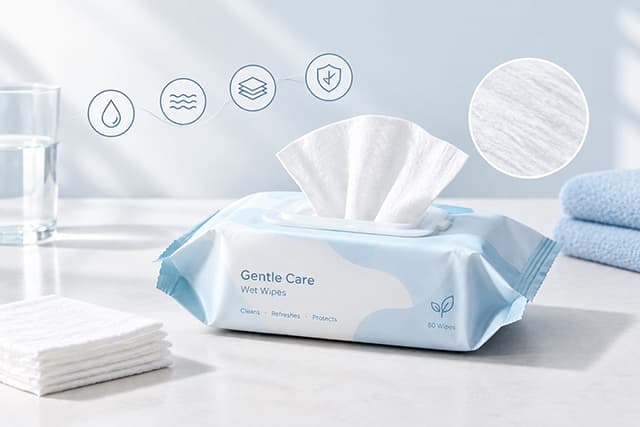
When a consumer pulls a wet wipe from a package, the expected experience seems simple. The sheet should feel moist, spread easily across the skin or surface, and provide enough liquid to do its job without becoming excessively wet.
Behind that simple experience is a more complex product characteristic: moisture balance.
For wet wipes brands, moisture balance can influence how a wipe feels, how effectively it performs, how consistently each sheet behaves, and how well the product maintains its characteristics during storage. It is not determined by liquid quantity alone. The nonwoven substrate, formulation, folding structure, packaging, and intended application all play a role.
Understanding these factors is particularly important when developing customized or private label wet wipes, because the ideal moisture profile for one product may not be suitable for another.
What Is Moisture Balance in Wet Wipes?
Moisture balance refers to how the liquid in a wet wipe is absorbed, retained, distributed, and released during the product’s life cycle.
A well-balanced wipe should contain enough usable liquid for its intended application while avoiding excessive free liquid. The formulation should remain reasonably well distributed throughout the pack, and the wipe should maintain an appropriate feel from the beginning of use to the end.
This is different from simply measuring how much liquid has been added during manufacturing.
Two wipes can contain a similar amount of liquid but perform differently because their nonwoven materials, structures, or packaging are different. One may release moisture smoothly during wiping, while another may feel either too dry or excessively wet.
For this reason, moisture balance is better understood as a finished-product performance characteristic rather than a single production number.
Why Does Moisture Balance Matter?
Moisture is one of the first characteristics consumers notice when they use a wet wipe.
If a wipe is too dry, it may drag across the skin or surface and require more effort during cleaning. If it is excessively wet, it may feel messy or leave more liquid behind than necessary.
Consistency also matters.
In a multi-sheet package, consumers generally expect the sheets to provide a similar experience throughout the pack. If some sheets feel noticeably wetter or drier than others, the product may appear inconsistent even when its overall liquid content is within the intended specification.
For brands, this can affect perceived quality as much as the formulation itself.
A successful wet wipe therefore needs to deliver the right combination of moisture, softness, strength, liquid release, and usability for its specific application.
There Is No Universal Moisture Level for Every Wet Wipe
A baby wipe does not need to behave exactly like a household cleaning wipe, and an industrial wipe has different requirements again.
For baby wipes, the liquid and substrate usually need to support gentle cleaning and a comfortable skin feel. Personal care wipes may place greater emphasis on sensory characteristics and smooth application.
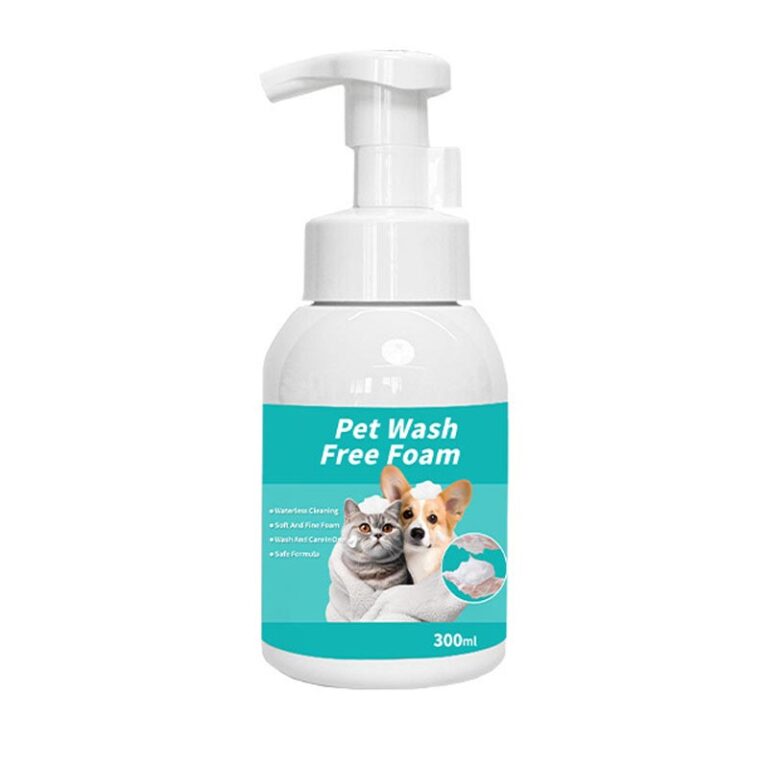
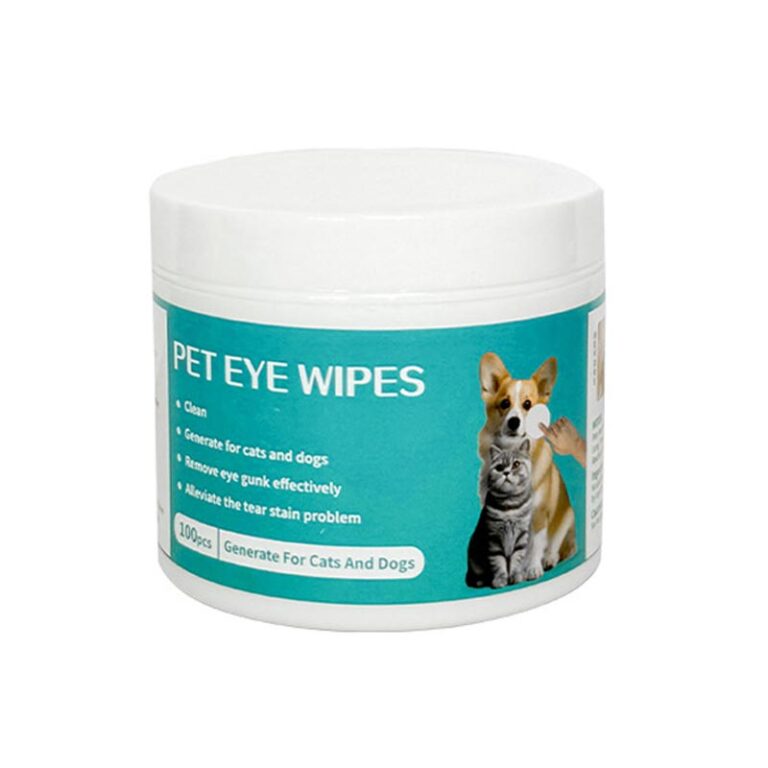
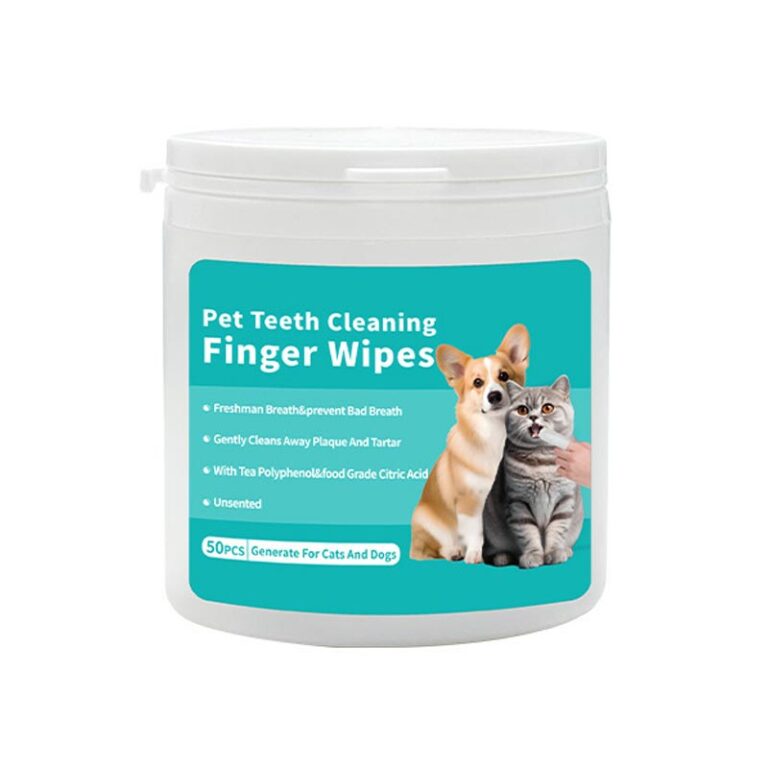
Household wipes often need to distribute cleaning solution effectively across a surface, while pet wipes may require a different balance depending on whether they are designed for paws, fur, or general body cleaning.
Industrial wipes can place greater emphasis on cleaning performance, absorbency, and strength.
This is why asking whether a wet wipe is simply “wet enough” is not particularly useful.
The more important question is:
Does the wipe have the right moisture characteristics for the way it is intended to be used?
That question provides a more practical foundation for product development.
How Nonwoven Material Affects Moisture
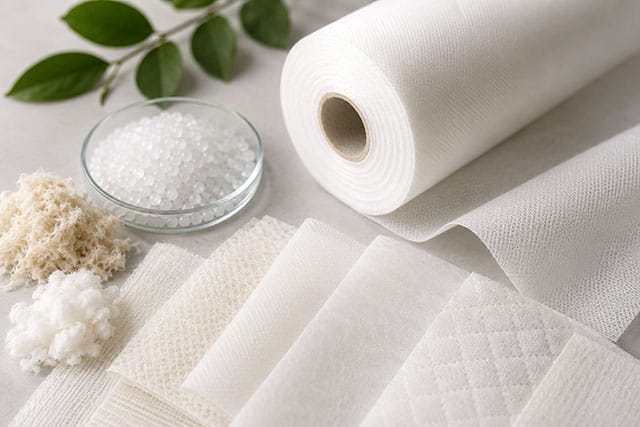
The nonwoven substrate is one of the key factors controlling how moisture behaves inside a wet wipe.
Different fibers and fabric structures can absorb, retain, and release liquid in different ways. A substrate that holds liquid efficiently may create a different wiping experience from one that allows more liquid to remain closer to the surface.
This means that changing the fabric can change the performance of the finished wipe, even when the liquid formulation remains the same.
For example, a soft substrate selected for baby care may have different absorbency and liquid-retention characteristics from a stronger material designed for household or industrial applications.
Brands therefore need to consider material selection as part of the overall moisture strategy. The right wet wipes materials should match not only the desired softness and strength, but also the intended formulation and application.
SYWIPE offers a range of nonwoven options, including bamboo fiber, viscose, Lyocell blends, and spunlace materials for different wet wipes applications.
Moisture Distribution Is More Important Than Total Liquid Alone
Imagine opening a pack and finding that the first few sheets feel different from the sheets in the middle.
The total amount of liquid in the package may still be correct, but the user experience is not consistent.
This can happen because liquid does not necessarily remain perfectly stationary inside a folded or stacked wipe pack. During storage, moisture can migrate through the stack depending on factors such as the substrate, formulation, folding configuration, package structure, and environmental conditions.
As a result, product development needs to consider not only how much liquid is introduced into the wipe, but also where that liquid remains and how consistently it is available to each sheet.
This distinction becomes particularly important for products that have a long shelf life or travel through different climates before reaching the customer.
Packaging Helps Maintain Moisture During Storage
The packaging becomes an important part of moisture management once the wet wipes have been produced.
Every time a consumer opens a pack, the product is exposed to air. Over time, repeated opening can contribute to moisture loss if the package does not provide adequate protection or cannot be resealed effectively.
Different formats also create different requirements. A soft pack used frequently at home needs convenient opening and reliable resealing. A canister needs to protect the wipes while allowing repeated dispensing. A single-use sachet has a different purpose because the wipe is normally used shortly after opening.
The choice of packaging also affects how well moisture is protected during storage. Brands can therefore evaluate different wet wipes packaging options according to their product format and distribution requirements.
Packaging should consequently be considered together with the wipe itself rather than treated as a separate design decision.
Formulation Influences How the Wipe Feels
The liquid solution inside a wet wipe is usually a carefully developed system rather than simply water.
Its ingredients can influence characteristics such as cleansing performance, skin feel, stability, preservation, and the way the solution interacts with the nonwoven substrate.
However, adding more moisturizing or conditioning ingredients does not automatically create a better wipe.
The formulation needs to be appropriate for the intended application and compatible with the selected substrate and packaging. A formula that works well for one type of wipe may not provide the same result when transferred to another product category.
This is why finished-product testing is more meaningful than evaluating the liquid solution on its own.
The formulation should ultimately support the performance that the consumer is expected to experience from the finished wipe.
Storage and Transportation Can Change Moisture Performance
Wet wipes may spend weeks or months in warehouses, shipping containers, distribution centers, and retail environments before they are opened by the end user.
During this period, temperature changes and storage conditions can influence how moisture behaves within the package.
A product may perform well during initial sampling but show different characteristics after extended storage. Moisture migration, evaporation, packaging performance, and changes in the interaction between the liquid and substrate may become more noticeable over time.
This is particularly relevant for brands selling internationally.
A product designed for one climate may encounter very different conditions during transportation and storage in another market. Evaluating the finished product under appropriate storage and stability conditions can therefore help identify problems before they reach the market.
How Should Brands Evaluate Moisture Balance?
Moisture balance is best evaluated through the finished wipe rather than a single laboratory measurement.
During product development, brands can look at how the wipe feels when removed from the package, how evenly moisture is distributed, and how much liquid is released during normal use.
It is also useful to compare the beginning, middle, and end of a pack. Significant differences may indicate that the formulation, substrate, packaging, or production conditions need further evaluation.
The product should also be observed after storage rather than only immediately after manufacturing.
A practical evaluation may consider:
• Moisture consistency throughout the pack
• Liquid distribution and retention
• Substrate absorbency
• Wiping feel and liquid release
• Packaging and sealing performance
• Formula stability
• Product behavior during storage
• Intended cleaning or personal care performance
The exact evaluation depends on the product category and its intended market.
Why Moisture Balance Should Be Considered During Product Development
Moisture-related problems are easier to address during product development than after mass production begins.
Changing the liquid level can affect the finished weight and production parameters. Changing the substrate can alter absorbency, softness, and liquid distribution. Changing the packaging can affect moisture retention and shelf-life performance.
These elements are interconnected.
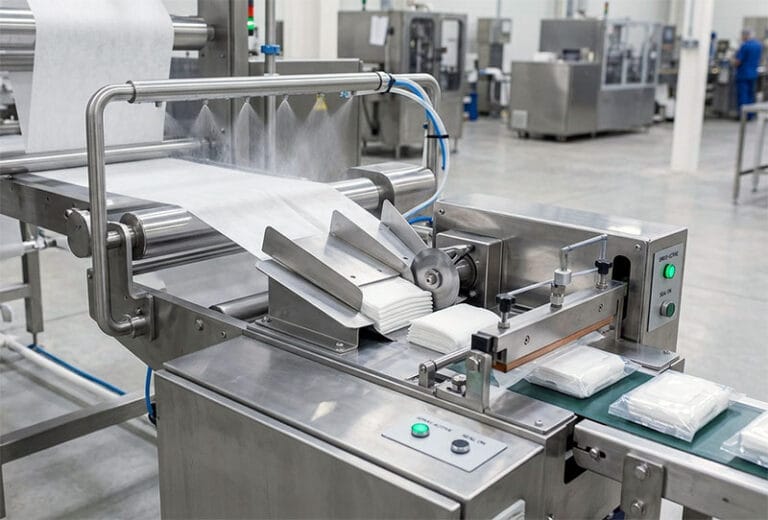
A structured wet wipes product development process gives brands an opportunity to evaluate different combinations before committing to full-scale production. It also allows the finished wipe to be assessed according to its actual intended use rather than relying only on individual raw-material specifications.
For customized wet wipes, this is particularly valuable because the goal is usually to create a product with a specific combination of performance, appearance, feel, and cost rather than simply reproduce an existing standard product.
Moisture Balance Across Different Wet Wipes Categories
The ideal moisture characteristics become clearer when the application is considered.
Baby Wipes
Baby wipes generally require a comfortable, soft wiping experience with sufficient moisture for gentle cleaning. The substrate and liquid system need to work together without creating excessive free liquid.
Personal Care Wipes
For facial and body wipes, sensory characteristics can be especially important. Moisture level, softness, formulation, and skin feel need to create a pleasant experience during use.
Household Wipes
Household wipes typically need to distribute their cleaning solution effectively over a surface. The wipe should provide sufficient liquid for cleaning while remaining practical to handle.
Pet Wipes
Pet wipes can have different requirements depending on their intended use. A paw wipe, body wipe, or grooming wipe may require different combinations of moisture, softness, and strength.
Industrial Wipes
Industrial wipes may prioritize cleaning performance, absorbency, strength, and controlled liquid release. Their moisture requirements should therefore be developed around the specific industrial application.
The same moisture target should never be assumed to work equally well across every category.
A Better Way to Think About Wet Wipes Moisture
Moisture balance is not one isolated specification.
It is the result of several product decisions working together.
The formulation determines the properties of the liquid. The nonwoven determines how that liquid is held and released. The folded structure affects distribution within the pack. Packaging helps protect the product during storage and repeated opening.
When these elements are considered together, brands have a better opportunity to create a consistent product that performs as expected throughout its intended shelf life.
This is also why moisture balance should be considered early rather than treated as a final adjustment after the rest of the product has already been decided.
Frequently Asked Questions About Wet Wipes Moisture Balance
Why do some wet wipes feel too dry?
A wet wipe may feel too dry when the liquid level, substrate characteristics, formulation, or packaging does not provide enough usable moisture for the intended application. Simply adding more liquid may not solve the problem if the substrate does not retain or release it effectively.
Can wet wipes be too wet?
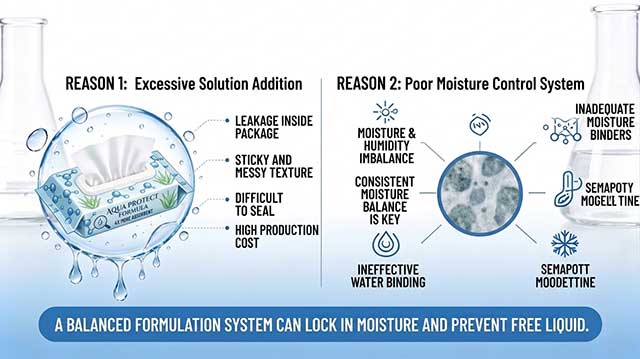
Yes. Excessive free liquid can make the wipe difficult or unpleasant to handle and may contribute to leakage or packaging problems. The appropriate moisture level depends on the product’s intended application.
Does nonwoven material affect wet wipes moisture?
Yes. Different nonwoven structures and fiber compositions can have different absorbency and liquid-retention characteristics. Selecting a suitable substrate is therefore an important part of achieving consistent moisture performance.
Does packaging affect wet wipes moisture retention?
Yes. Packaging helps protect the liquid from evaporation and can influence how well the product maintains its characteristics during storage. The package format, sealing system, and barrier properties should be considered during product development.
How can brands achieve consistent moisture in wet wipes?
Brands should evaluate the formulation, nonwoven substrate, packaging, and finished product together. Testing the wipe during development and after appropriate storage conditions can help identify moisture distribution, migration, or retention issues before mass production.
Final Thoughts
The quality of a wet wipe is not determined simply by how much liquid it contains.
What matters is how effectively that moisture works with the substrate, formulation, packaging, and intended application.
A wipe that is too dry may compromise comfort or cleaning performance. One that is excessively wet may create unnecessary free liquid and handling problems. Uneven moisture distribution can make sheets within the same package feel inconsistent.
For brands developing customized or private label wet wipes, moisture balance is therefore worth considering from the earliest stages of product development.
The goal is not to make a wipe as wet as possible.
The goal is to create a wipe that delivers the right moisture, in the right way, for the right application—and continues to perform consistently throughout its intended shelf life.
When brands need to evaluate materials, packaging, formulation, and manufacturing requirements together, an experienced wet wipes manufacturer can help turn the desired product performance into a practical production solution.