Phone Cleaning Wipes: What Matters?
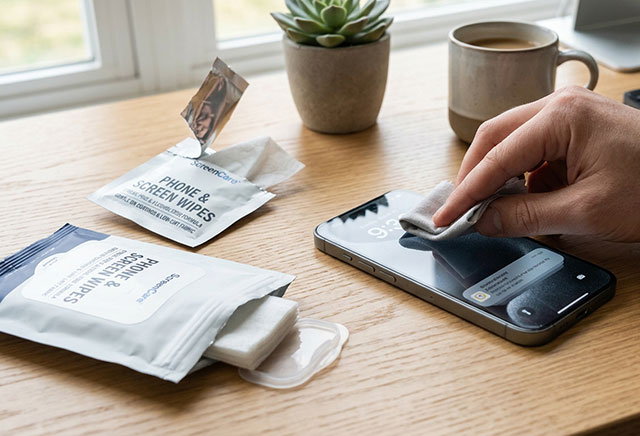
Smartphones are handled throughout the day, making screen and device cleaning a practical need for consumers, workplaces, and travel-related businesses. For brands developing phone cleaning wipes, however, convenience is only one part of the product.
The wipe must remove everyday fingerprints and surface smudges while delivering an appropriate level of moisture and compatibility with the intended device surfaces. Material selection, formula design, packaging, and usage instructions all influence the finished product.
For brands planning a new electronic cleaning product, understanding these factors helps turn a basic cleaning concept into a more clearly defined product specification.
What Should Phone Cleaning Wipes Be Designed to Do?
Phone cleaning wipes are intended to remove fingerprints, dust, and everyday surface marks from compatible device surfaces. Depending on their formulation and intended use, some products may also be designed for specific hygiene applications.
These functions should not be treated as interchangeable. A wipe that removes visible dirt does not automatically disinfect a surface, and a disinfecting claim requires appropriate supporting efficacy data and regulatory review.
Before developing a product, brands should define its primary purpose:
• Screen cleaning: Removing fingerprints, light smudges, and everyday marks from compatible screens.
• Device cleaning: Cleaning suitable exterior surfaces, such as compatible phone housings and other electronic accessories.
• Hygiene-focused cleaning: Developing a product with a specific antimicrobial purpose, where the formula, testing, labeling, and applicable regulations support the intended claims.
A clearly defined use case helps determine the appropriate substrate, liquid formula, moisture level, and packaging format.
How to Choose the Right Formula for Phone Wipes
The formula is one of the most important decisions in electronic cleaning wipe development. Smartphones may contain glass, coatings, plastics, adhesives, metal components, and other materials that respond differently to cleaning agents.
A formula should therefore be evaluated against the specific surfaces and cleaning purpose stated in the product specification.
1. Consider Surface Compatibility
A cleaning formula should be assessed for its compatibility with the intended device surfaces, including screen coatings where applicable. Do not assume that a formula suitable for glass is automatically suitable for every phone component.
Alcohol-based and alcohol-free formulas may both be considered during product development, but neither should be described as universally safe for all devices. The appropriate choice depends on the formulation, intended use, device manufacturer’s guidance, and test results.
2. Control Moisture and Residue
A wipe that releases too much liquid may leave excess moisture around openings, buttons, or seams. A formula that dries unevenly may also leave visible marks on certain surfaces.
Product development should evaluate liquid loading, evaporation behavior, residue, and cleaning performance. The objective is to achieve consistent cleaning while minimizing unnecessary moisture and visible streaking on compatible surfaces.
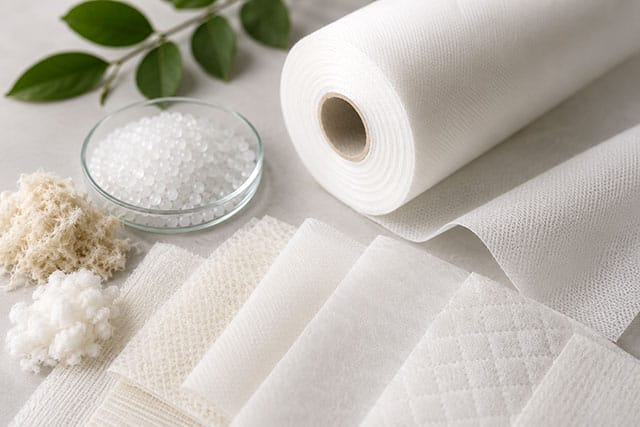
3. Select a Suitable Wipe Material
The substrate affects softness, lint release, absorbency, and the amount of liquid retained by each sheet.
Soft, low-lint materials are often worth evaluating for screen-oriented applications. The final material should be tested for surface abrasion, particle release, wet strength, and compatibility with the chosen formula.
Brands can review available wet wipe materials before finalizing their product specifications.
Packaging Options for Phone Cleaning Wipes
Packaging affects portability, moisture retention, product presentation, and ease of use. The most suitable format depends on the target market and how frequently customers expect to use the wipes.
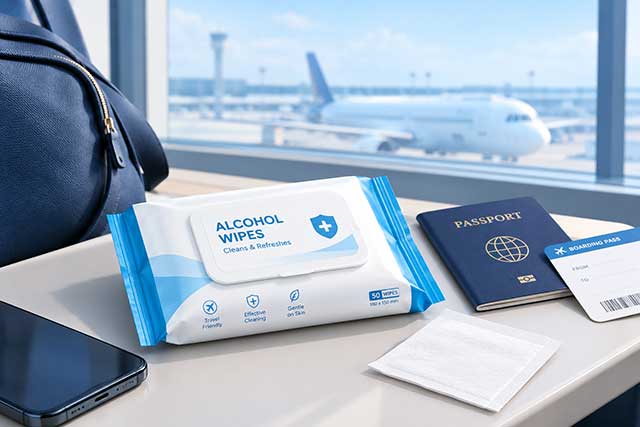
Individually wrapped sachets are suitable for travel kits, promotional products, hospitality supplies, and other applications where a single wipe is convenient.
Resealable soft packs can accommodate multiple wipes for regular use. The closure and packaging barrier should help maintain the intended moisture level after opening.
Compact canisters or tubs may suit desktop, workplace, retail, or other shared-use settings. Their dispensing design should allow users to remove wipes without unnecessarily exposing the remaining sheets.
Packaging should be evaluated alongside the formula rather than selected solely for appearance. Seal integrity, material compatibility, evaporation, and storage conditions all matter to product performance.
Developing Private Label Phone Cleaning Wipes
For brands, distributors, and retailers, developing phone cleaning wipes involves more than selecting an existing wipe and printing a logo on the package.
A clear product brief helps the manufacturer assess feasibility and prepare a suitable proposal.
Start by identifying the intended application, target customer, and sales channel. Specify whether the product is designed primarily for screen cleaning, general device-surface cleaning, or a separately substantiated hygiene application.
Next, define the required wipe dimensions, substrate characteristics, formula preferences, moisture level, and packaging format. These decisions influence the product’s performance, manufacturing requirements, and cost.
Sampling and evaluation should follow. Check cleaning performance, visible residue, lint release, sheet strength, dispensing behavior, packaging integrity, and compatibility with representative target surfaces.
Before mass production, confirm the final specification, approved sample, quality requirements, labeling, and any applicable regulatory obligations.
Brands seeking a complete customization service can review SYWIPE’s private label wet wipes solutions. Formula, material, and packaging requirements should be confirmed against the specific project rather than assumed to be available in every configuration.
Quality Checks Before Launch
A phone cleaning wipe should be evaluated as a complete product, including the liquid, substrate, packaging, and instructions.
Relevant checks may include:
• Cleaning performance: Assess whether the wipe removes the intended fingerprints and everyday marks.
• Surface compatibility: Test representative device materials and coatings under defined conditions.
• Residue and lint: Inspect cleaned surfaces for visible streaks, particles, or unwanted deposits.
• Moisture consistency: Check liquid distribution and sheet-to-sheet consistency.
• Packaging integrity: Verify sealing performance and moisture retention throughout the intended shelf life.
• Formula stability: Evaluate the formula and finished product under appropriate storage conditions.
• Claims and labeling: Ensure that cleaning, disinfecting, material, and environmental claims are supported by suitable evidence.
If the product is intended to disinfect rather than simply clean, additional efficacy testing and regulatory review may be necessary. Claims such as a specific percentage of germs killed should never be used without appropriate substantiation for the finished product and its labeled conditions of use.
Frequently Asked Questions
Are phone cleaning wipes the same as disinfecting wipes?
No. Cleaning wipes remove dirt and surface marks, while disinfecting wipes are intended to achieve a defined antimicrobial effect. Disinfecting claims require appropriate efficacy evidence and compliance with applicable regulations.
Can phone cleaning wipes be used on every smartphone?
Not necessarily. Device surfaces and coatings vary, and some cleaning ingredients may be unsuitable for particular components. Users should follow the device manufacturer’s cleaning instructions and use products specifically validated for their intended surfaces.
Which material is suitable for phone cleaning wipes?
Soft, low-lint substrates are common candidates for screen-oriented products. The final selection should consider absorbency, wet strength, particle release, cleaning performance, and compatibility with the formula.
What should brands prepare before requesting an OEM quote?
Prepare the target application, estimated order quantity, preferred wipe dimensions, formula requirements, packaging format, target market, and any required performance or compliance specifications. These details help the manufacturer assess feasibility and provide a more relevant quotation.
Develop Your Phone Cleaning Wipes with SYWIPE
A successful phone cleaning wipe starts with a defined use case, a compatible formula, a suitable substrate, and packaging designed to maintain product performance.
SYWIPE supports customized wet wipe development for brands seeking to build differentiated cleaning products. Share your target market, product requirements, packaging preferences, and estimated order volume to discuss a suitable development approach.
Ready to develop your product? Contact SYWIPE to discuss your phone cleaning wipe project.