How Is OEM Wet Wipes Quality Controlled?
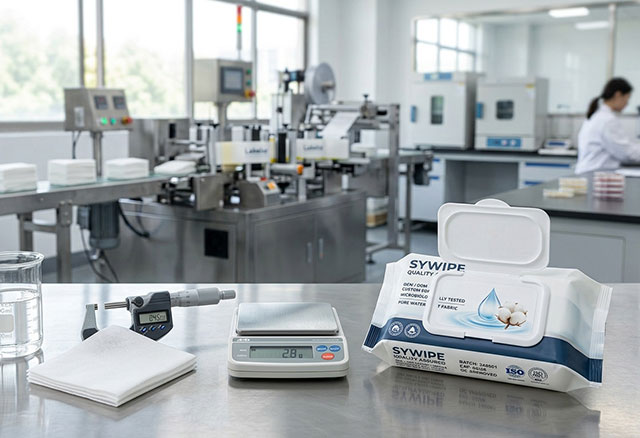
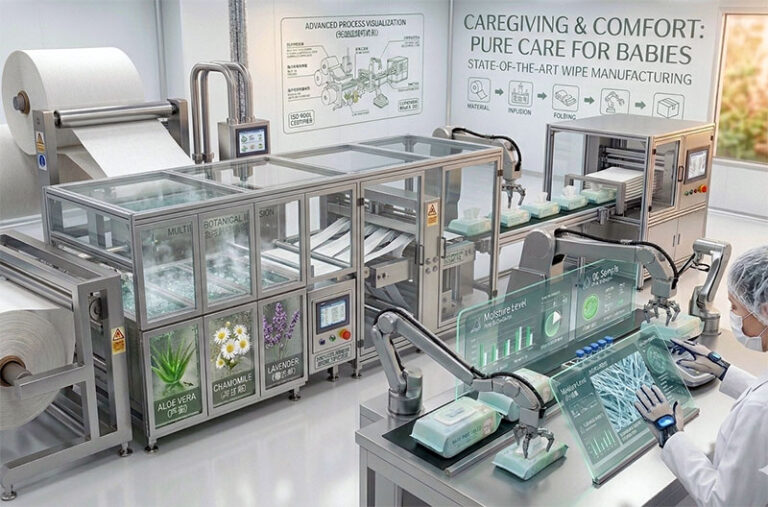
OEM wet wipes quality depends on more than the softness of the fabric or the appearance of the packaging. It requires consistent control of raw materials, liquid formulations, production conditions, packaging integrity, and finished-product specifications.
For brands, importers, retailers, and distributors, these factors directly affect product performance, customer satisfaction, and supply reliability. Working with an experienced OEM wet wipes manufacturer can help businesses establish clear product requirements and maintain consistency from sample approval to repeat orders.
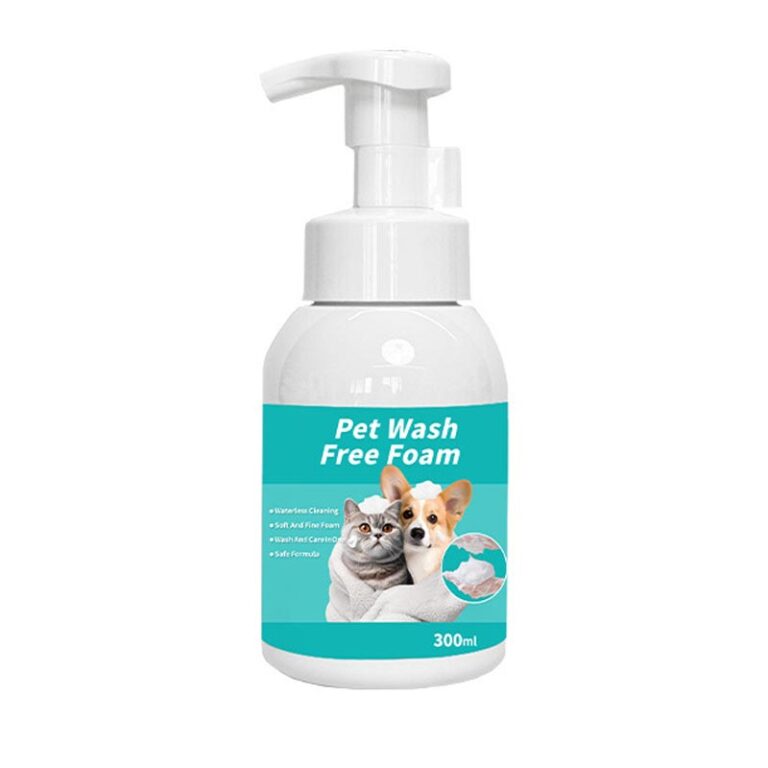
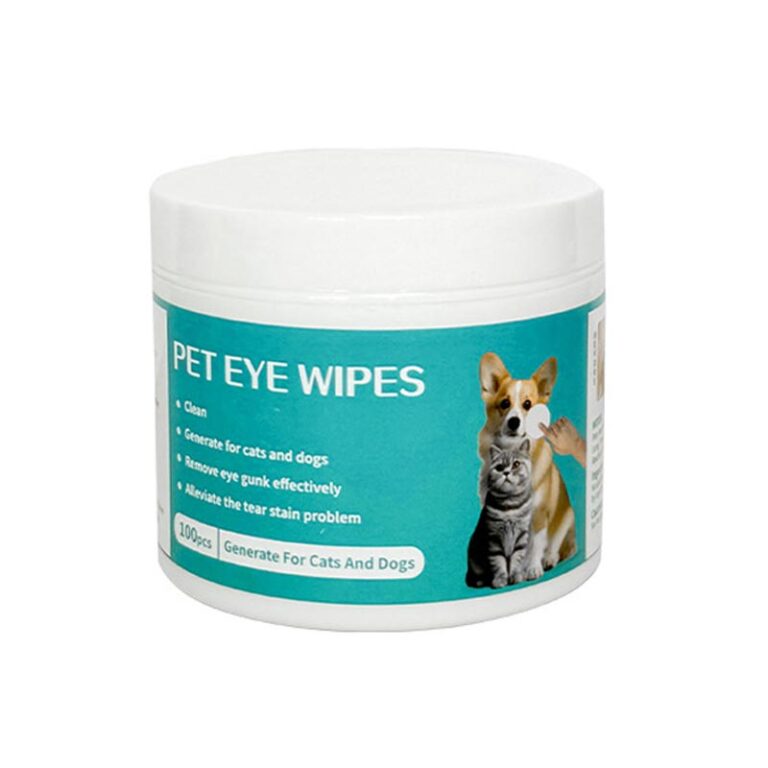
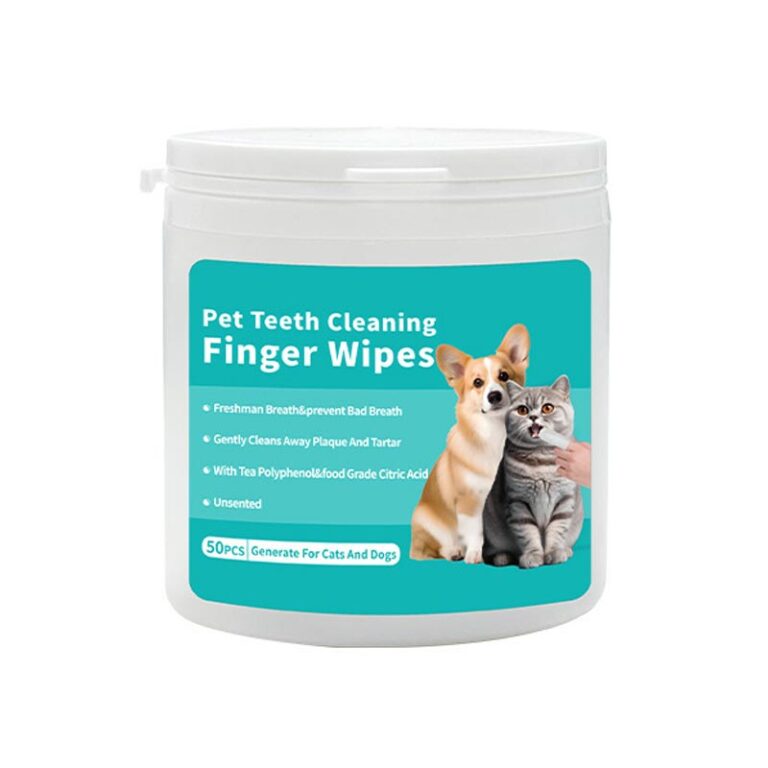
At SYWIPE, OEM wet wipes projects can be developed around different applications, including baby care, personal hygiene, pet care, household cleaning, and industrial use. The quality requirements vary by product, so each project should begin with a clearly defined specification.
What Determines OEM Wet Wipes Quality?
The quality of a finished wipe is influenced by several connected factors. A fabric that feels soft may not provide sufficient strength for industrial cleaning, while a highly absorbent material may not be the best choice for every personal care application.
Before production begins, buyers and manufacturers should agree on the following requirements:
Wipe material: Fiber composition, softness, absorbency, tensile strength, and suitability for the intended application.
Liquid formulation: Ingredient requirements, pH where relevant, moisture level, preservation system, and compatibility with the substrate.
Product specifications: Sheet dimensions, fold pattern, count per pack, and other agreed performance characteristics.
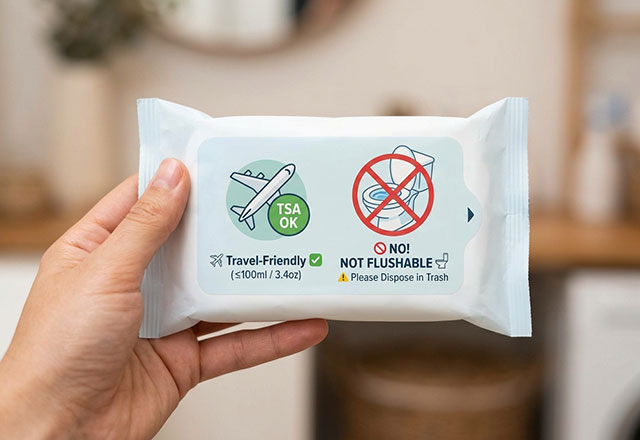
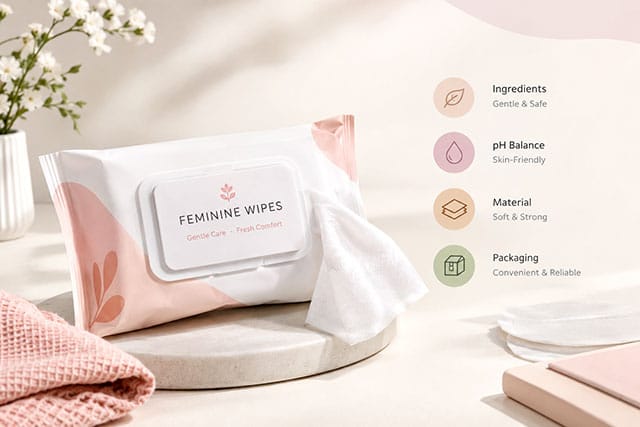
Packaging: Pack structure, dispensing design, seal integrity, labeling, and storage requirements.
Quality documentation: Applicable test results, product specifications, batch records, and compliance documents.
Defining these requirements early makes it easier to evaluate samples, identify deviations, and assess whether a finished product meets the agreed standard.
1. Select Materials for the Intended Application
Material selection should reflect how the wipes will be used rather than relying on a single material for every product.
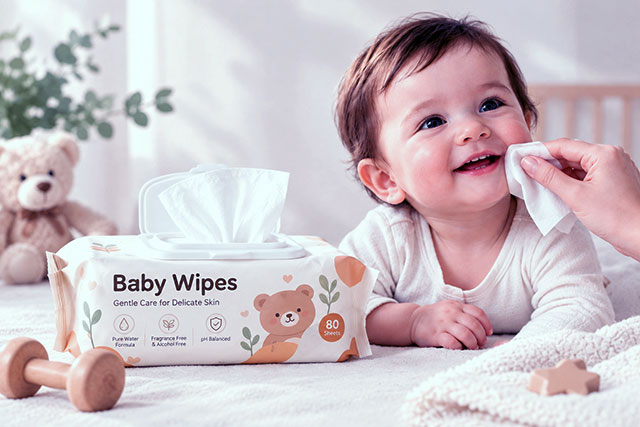
For baby wipes and facial wipes, softness and skin-contact suitability are important considerations. Household and industrial wipes may require greater strength, absorbency, or resistance to tearing during use. Products marketed around sustainability also require careful evaluation of fiber composition and supporting material documentation.
Common options include spunlace nonwoven, viscose-based materials, bamboo fibers, and other application-specific substrates. Their performance depends on fiber composition, fabric construction, and the finished product requirements.
Buyers should confirm the material specification before approving samples. If a project requires a particular fiber composition or environmental claim, the manufacturer should provide appropriate documentation rather than relying on a general product description.
2. Validate the Liquid Formula Before Mass Production
A wet wipes formula must work with the selected substrate, intended application, packaging, and expected storage conditions.
Depending on the product, development may involve evaluating pH, moisture distribution, ingredient compatibility, microbiological quality, and formula stability. Products intended for sensitive skin, household cleaning, or industrial use may require different formulations and testing criteria.
A formula that performs well in one wipe material may not behave identically in another. Changes to the substrate, ingredients, packaging, or manufacturing process can affect the finished product.
For this reason, brands should review the formula and its supporting test information before approving a production sample. SYWIPE provides wet wipes R&D and product development support for projects requiring formulation, material selection, and product validation.
3. Monitor Production Consistency
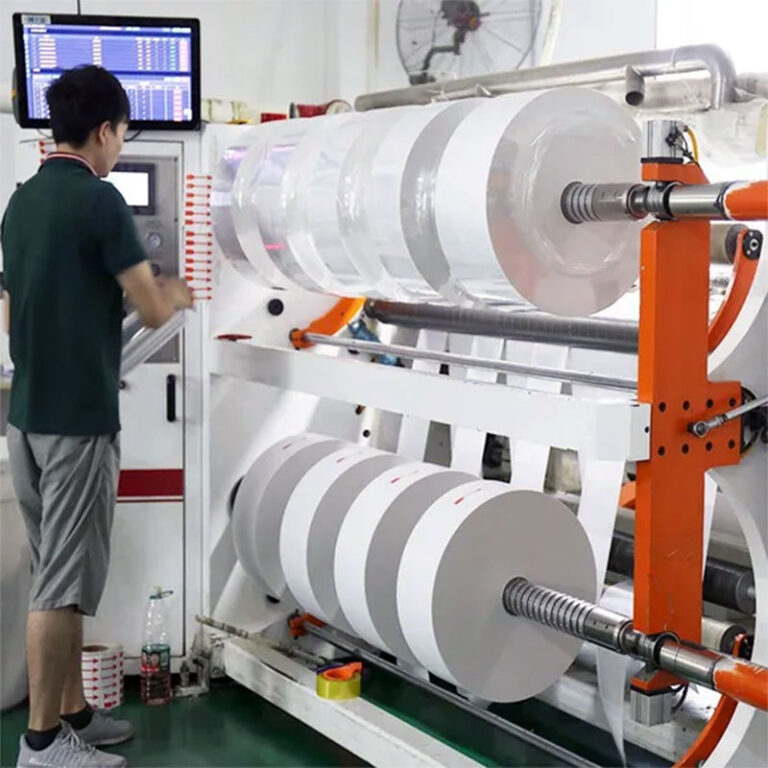
Once the product specifications are approved, production controls help maintain consistency across the manufacturing run.
• Important checkpoints may include:
• Correct material and formula use.
• Accurate cutting, folding, and sheet counting.
• Consistent liquid application and moisture distribution.
• Equipment settings and operating conditions.
• Packaging alignment, filling accuracy, and sealing.
• Identification and handling of products that do not meet specifications.
The precise checks depend on the product type and manufacturing process. A canister of household wipes, a single-use alcohol wipe, and a pack of baby wipes do not necessarily require identical inspection criteria.
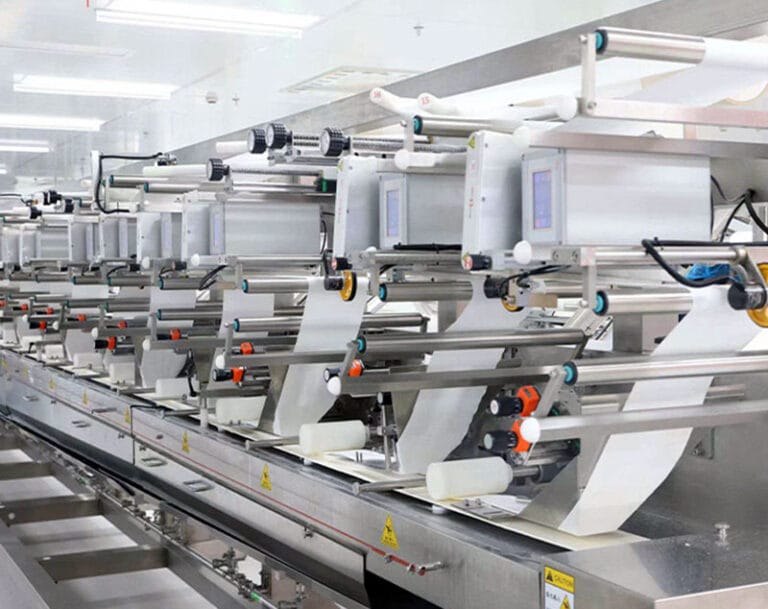
Automated production equipment can improve repeatability, but automation alone does not guarantee quality. Defined operating procedures, trained personnel, equipment maintenance, and documented inspections remain important.
4. Inspect Packaging and Seal Integrity
Packaging protects the wipes during storage, transportation, and use. Even when the fabric and formula meet the requirements, unsuitable packaging or defective seals can compromise product quality.
The inspection plan should reflect the chosen format, such as soft packs, canisters, refill pouches, or individually wrapped sachets.
Depending on the packaging design, checks may include:
• Seal integrity and visible leakage.
• Correct label, artwork, and product information.
• Accurate sheet count and packaging configuration.
• Dispensing function and closure performance.
• Compatibility between the formula and packaging materials.
Packaging requirements should be confirmed during sample approval rather than postponed until mass production. This helps reduce avoidable changes after printing materials and production schedules have been finalized.
5. Verify Finished Products Before Shipment
Finished-product inspection confirms whether the goods meet the agreed specifications before release.
Depending on the product and its intended market, verification may include appearance, odor, dimensions, sheet count, moisture level, seal integrity, microbiological testing, and other relevant performance checks.
Not every test applies to every wipe. For example, a product making a specific antimicrobial or disinfectant claim may require additional efficacy evidence and regulatory review. Ordinary cleaning wipes should not be described as disinfectants without the appropriate supporting evidence.
Buyers should agree with the manufacturer on the inspection criteria, sampling approach, acceptance limits, and documentation required for shipment. Any deviation should be reviewed and resolved before affected products are released.
For information about available quality systems and supporting documentation, see SYWIPE’s quality certifications and compliance information.
6. Maintain Consistency Across Repeat Orders
A successful first order is only one part of a reliable OEM supply relationship. Brands also need repeat orders to match the approved product specifications.
A practical approach is to maintain an approved reference sample and a controlled product specification covering the formula, substrate, dimensions, sheet count, packaging, and applicable quality criteria.
When a material, formula, supplier, or packaging component changes, the manufacturer and buyer should assess whether additional evaluation or sample approval is necessary.
Batch identification and production records can also help trace products when a quality concern arises. These practices are particularly valuable for businesses supplying multiple retail channels or managing recurring orders.
For companies with established products and ongoing demand, wet wipes contract manufacturing can support planned production, specification management, and more consistent replenishment.
How Can Buyers Evaluate an OEM Wet Wipes Manufacturer?
Before placing a production order, buyers should look beyond the quoted unit price. A reliable evaluation should cover the manufacturer’s ability to understand product requirements, document specifications, verify samples, control production, and provide relevant quality records.
Ask potential suppliers:
• Can you provide material and formula specifications for the proposed product?
• What tests are appropriate for its intended use?
• Can I evaluate samples before mass production?
• How are production deviations identified and handled?
• What inspection records and compliance documents can you provide?
• How are approved specifications maintained for repeat orders?
If you are developing a new product or need help adapting an existing specification, review SYWIPE’s OEM and ODM wet wipes development services. The right development approach depends on whether your requirements are already defined or you need additional product development support.
Frequently Asked Questions
What affects the quality of OEM wet wipes most?
The main factors are substrate selection, formula compatibility, controlled production, packaging integrity, and appropriate finished-product testing. The relative importance of each factor depends on the wipe’s intended application.
Should wet wipes be tested before mass production?
Yes. Buyers should evaluate samples against agreed specifications before authorizing full production. Formula, material, packaging, and relevant performance requirements should be confirmed for the intended product.
How can brands maintain consistent quality across repeat orders?
Maintain approved samples and documented specifications, use defined inspection criteria, keep appropriate batch records, and review changes to materials, formulas, and packaging before implementation.
What quality documents should buyers request?
Depending on the product and destination market, relevant documents may include product specifications, ingredient declarations, microbiological or stability test results, certificates, and other applicable compliance records. Requirements vary by product category and jurisdiction.
Does a manufacturer’s certification guarantee every product is suitable for my market?
No. A factory or quality-management certification does not automatically establish that every finished product meets every market’s requirements. Buyers should verify the scope and validity of relevant certificates and assess the finished product’s applicable testing, labeling, and regulatory obligations.
Build Your OEM Wet Wipes Project on Clear Specifications
Consistent OEM wet wipes quality starts with clear requirements and continues through material selection, formula validation, production monitoring, packaging inspection, and finished-product verification.
SYWIPE supports OEM and ODM wet wipes projects for brands, retailers, and distributors seeking customized products and manufacturing support. Share your target application, material preferences, packaging format, and expected order volume to discuss the appropriate development and production requirements.
Contact SYWIPE about your OEM wet wipes project.