Are Wet Wipes Flushable? TSA & Travel Guide
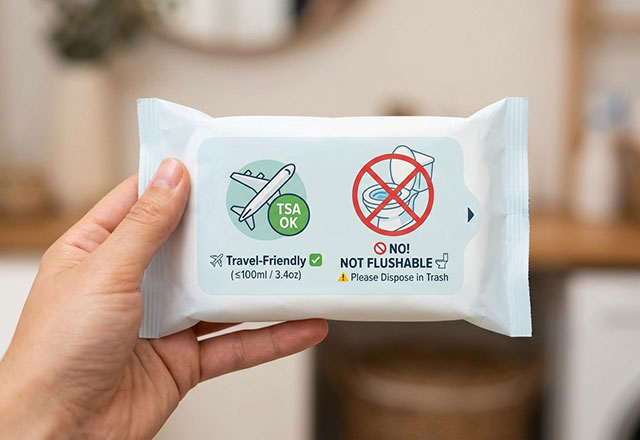
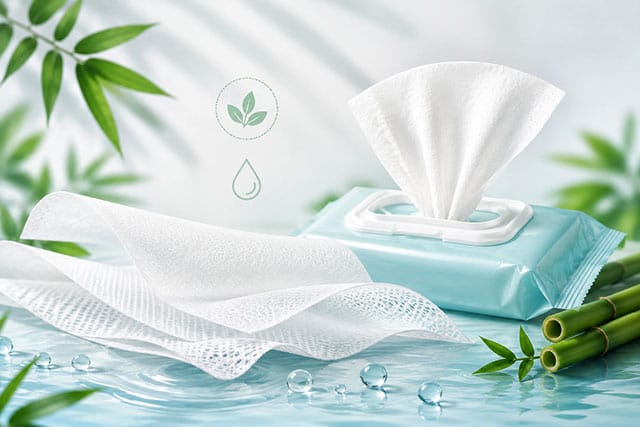
Wet wipes are one of the easiest hygiene products to carry when you are traveling. They take up little space, do not require water, and can be used for personal hygiene, baby care, quick cleanups, and many other situations.
But two questions often come up before a trip: Can you take wet wipes on a plane, and can you flush them after use?
The answers are straightforward, but they depend on how the wipes are designed and how they are disposed of. For travelers, the safest approach is to understand the difference between ordinary wet wipes and products specifically developed for flushability.
Can You Take Wet Wipes on a Plane?
Yes. Wet wipes can generally be carried when traveling by air.
TSA’s 3-1-1 rule applies to liquids, aerosols, gels, creams, and pastes in carry-on baggage. Wet wipes are packaged as pre-moistened solid sheets, so they are different from carrying a bottle or container of liquid. Travelers should still follow the current TSA guidance for any separate liquid, gel, or lotion included in their luggage.
For travelers, this makes wet wipes particularly convenient. A small pack can be kept in a personal bag and used during airport transfers, long flights, road trips, or hotel stays.
Travel wipes are especially useful when access to clean water is limited. Depending on the product, they can be used for hands, face, personal hygiene, baby care, or quick surface cleaning.
Do Wet Wipes Count as Liquid for TSA?
A common misunderstanding is that the moisture inside a wipe automatically makes the entire product subject to the liquid limit.
In practice, travelers should distinguish between pre-moistened wipes and separate liquid products.
A sealed pack of wet wipes is a finished wipe product rather than a bottle of liquid. However, if you are carrying cleansing solutions, sprays, lotions, or other liquid products separately, those items may fall under TSA’s 3-1-1 requirements.
Because airport security procedures can change, travelers should always check the current TSA guidance before flying.
How Should You Pack Wet Wipes for Travel?
The best travel wipes are easy to open, reseal, and carry.
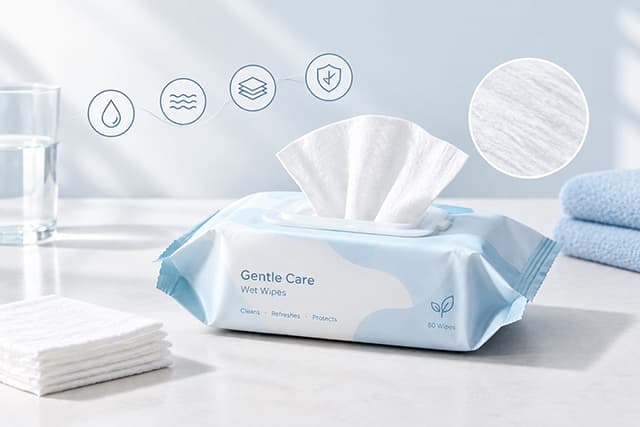
A resealable soft pack works well for short trips because it keeps the wipes moist while taking up little space. Smaller travel packs are convenient for handbags, backpacks, diaper bags, and carry-on luggage.
For longer journeys, packaging becomes even more important. A well-sealed pack helps prevent moisture loss and reduces the chance of leakage inside luggage.
When developing private label travel wipes, brands can also choose different packaging formats according to the market, including soft packs, travel packs, single sachets, canisters, and refill packs.
For brands developing customized products, private label wet wipes can be adapted through material, formulation, sheet size, and packaging selection.
Are Wet Wipes Flushable?
This is where travelers need to be more careful.
Not all wet wipes are flushable.
Most conventional wet wipes are designed to remain strong and intact during use. That strength can become a problem when the wipes enter wastewater systems because they may not disperse as quickly as toilet paper.
A product should not be considered flushable simply because the package uses words such as “flushable,” “biodegradable,” or “eco-friendly.”
Actual flushability involves the product’s behavior after it enters the wastewater system. The IWSFG flushability specifications consider criteria including toilet and drain-line clearance, disintegration, settling, biodisintegration, and environmental protection.
This distinction is important for both consumers and brands.
What Happens If You Flush the Wrong Wet Wipes?
Non-flushable wipes can remain intact after entering drainage systems. They may become caught in pipes, pumps, or other wastewater equipment, particularly when combined with other materials.
The International Water Services Flushability Group has developed specifications specifically to evaluate products marketed as suitable for flushing and highlights the problems caused by inappropriate disposal of wipes.
For this reason, if a wipe is not specifically designed and tested for flushability, the safer disposal method is to place it in a waste bin rather than flush it.
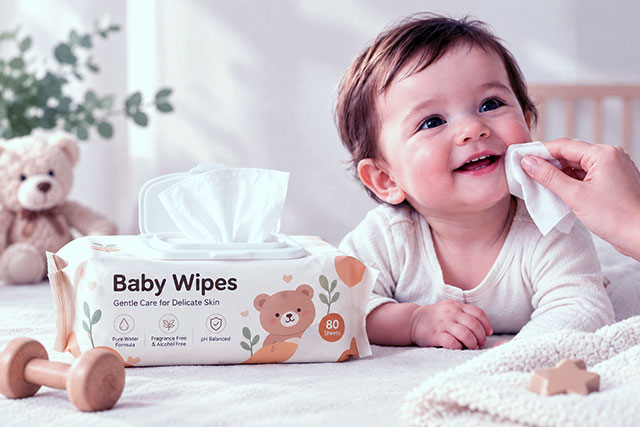
This is especially important for baby wipes, facial wipes, disinfecting wipes, household cleaning wipes, and many general-purpose wet wipes.
What Makes a Wet Wipe Suitable for Flushing?
Flushable wipes require a different approach to material selection and product development.
Compared with conventional wet wipes, flushable products are generally designed around dispersible materials that can break apart more readily when exposed to water and wastewater conditions.
However, biodegradable and flushable are not interchangeable terms.
A biodegradable wipe may eventually break down under suitable conditions without necessarily being suitable for disposal through a toilet. Flushability focuses on how the product behaves within plumbing and wastewater systems.
For brands developing flushable products, testing and disposal performance should therefore be considered during material selection rather than added as a marketing claim at the end of product development.
SYWIPE’s flushable wet wipes are developed for personal hygiene and toilet-use applications using dispersible materials and customized product specifications.
What Materials Are Used in Flushable Wipes?
Material selection has a major influence on flushability.
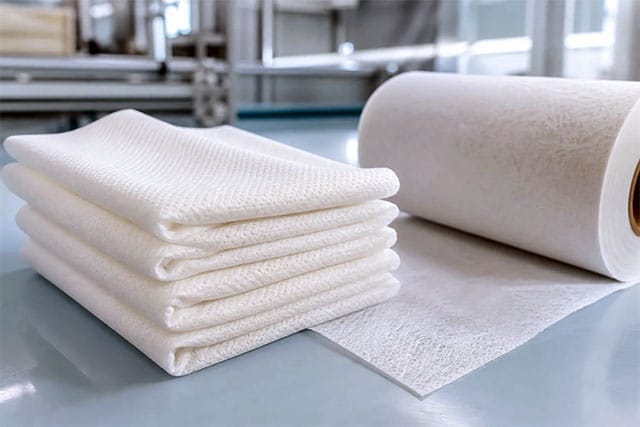
Flushable wipes are commonly developed using cellulose-based or other dispersible fibers rather than conventional synthetic nonwoven materials that are designed for high wet strength.
The final substrate can be selected according to the required softness, absorbency, strength, dispersibility, and intended application.
For brands comparing different substrates, our guide to wet wipes materials provides a broader look at the material options available for customized wipes.
The important point is that no single material automatically makes a wipe flushable. The finished product needs to perform according to the relevant testing and disposal requirements.
Can Biodegradable Wet Wipes Be Flushed?
Not necessarily.
Biodegradability describes how a material breaks down under particular environmental conditions. Flushability concerns whether a finished product can pass through toilets and wastewater systems without creating unacceptable problems.
A biodegradable wipe can therefore still be unsuitable for flushing.
This is why buyers should avoid choosing a product based only on the words “biodegradable” or “plant-based.” When flushability is part of the product specification, brands should ask suppliers for relevant testing information and clearly define the disposal pathway intended for the finished product.
For broader sustainability options, biodegradable wet wipes can be developed using materials such as bamboo fiber, viscose, cotton, and cellulose, depending on the application.
What Should Brands Consider When Developing Travel Wipes?
Travel wipes may look simple, but the product needs to match the way consumers will actually use it.
A travel hygiene wipe may need to be compact enough for a handbag or carry-on bag, while the packaging should protect moisture during transportation. The formulation should also match the intended skin-contact application.
For personal hygiene products, brands may choose alcohol-free, fragrance-free, moisturizing, or sensitive-skin formulas. For other applications, the formulation and substrate can be adjusted according to the cleaning requirements.
Packaging is equally important. Single sachets work well for individual-use products, while resealable soft packs are more suitable for repeated use during a trip.
The right combination of substrate, formula, sheet size, and packaging can make a travel wipe much more practical than simply reducing the size of a standard product.
How Can Buyers Choose the Right Wet Wipes Supplier?
For businesses sourcing travel or personal hygiene wipes, the supplier should be evaluated based on more than price.
The first question is whether the manufacturer can provide the required material and formulation. The second is whether the packaging can be customized for the intended market. For products making specific claims such as flushable or biodegradable, buyers should also request appropriate testing and supporting documentation.
MOQ, production capacity, quality control, packaging capability, and export experience also matter when moving from samples to commercial production.
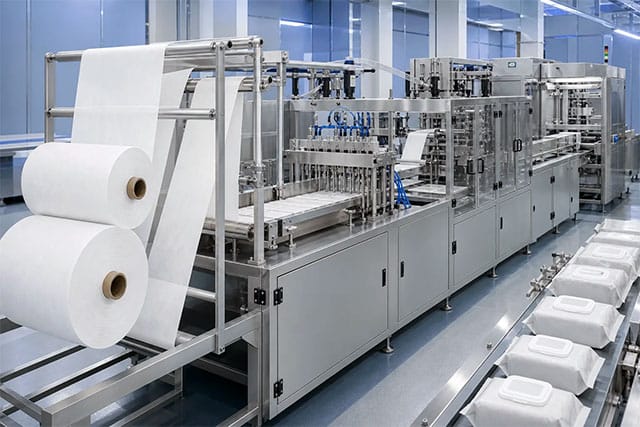
For brands that need customized products rather than standard stock items, working with an experienced wet wipes manufacturer can simplify material selection, formula development, packaging, sampling, and mass production.
Travel Wipes vs. Flushable Wipes
The two products serve different priorities.
Travel wipes are primarily designed around convenience. They need to be compact, easy to carry, properly sealed, and suitable for the intended hygiene application.
Flushable wipes have an additional technical requirement: the finished product must be designed and evaluated for disposal through wastewater systems.
A wipe can be excellent for travel without being flushable. Likewise, a flushable wipe may be developed primarily for toilet hygiene rather than general travel cleaning.
Understanding this distinction helps consumers dispose of wipes correctly and helps brands develop products around a clear use case.
Frequently Asked Questions
Can you take wet wipes on a plane?
Yes. Pre-moistened wet wipes can generally be carried when flying. TSA’s liquid restrictions apply to liquids, aerosols, gels, creams, and pastes, while travelers should check current TSA guidance for any separate liquid products they carry.
Do wet wipes count as liquid for TSA?
Wet wipes are pre-moistened solid sheets rather than a bottle of liquid. Separate liquid, gel, cream, or spray products may still be subject to TSA’s 3-1-1 requirements.
Are all wet wipes flushable?
No. Most conventional wet wipes should not be flushed. Only products specifically designed and appropriately evaluated for flushability should be considered for toilet disposal.
Are biodegradable wipes automatically flushable?
No. Biodegradability and flushability describe different product characteristics. A biodegradable wipe may still be unsuitable for wastewater disposal.
What should I do if I am unsure whether a wipe is flushable?
If the packaging does not clearly indicate that the product is intended and tested for flushability, dispose of the used wipe in a waste bin rather than flushing it.
What materials are commonly used for flushable wipes?
Flushable wipes are generally developed with dispersible, cellulose-based materials or other substrates selected for their ability to break apart in water. The finished product still needs to be evaluated according to the intended flushability requirements.
Final Takeaway
Wet wipes are convenient travel companions, but convenience does not mean every wipe can be disposed of in the same way.
For air travel, pre-moistened wipes are practical because they are carried as finished wipe products rather than bottles of liquid. For disposal, however, travelers should never assume that a wet wipe is flushable simply because it is biodegradable or marketed as eco-friendly.
For brands, the same principle applies. The right product starts with a clear application, followed by appropriate material selection, formulation, packaging, and testing.
Whether you are developing travel hygiene wipes, personal care wipes, or flushable toilet wipes, choosing the right specifications at the product development stage can help create a safer and more reliable product for the target market.