Baby Wipes Industry Trends: What Brands Need to Know
The baby wipes market is changing in ways that go beyond new packaging or new product launches. Parents are paying closer attention to ingredients, materials, skin comfort, environmental impact, and product safety, while brands and retailers are looking for more flexible ways to develop products for different markets.
For companies developing baby care wipes, these changes are influencing almost every part of product development, from the choice of nonwoven fabric and cleansing formula to packaging and manufacturing processes.
The most important question is no longer simply whether a baby wipe cleans effectively. Brands also need to consider how the product feels on delicate skin, what materials it uses, how clearly its ingredients are communicated, and whether the packaging fits the expectations of modern consumers.
Gentler Formulas Are Becoming a Product Priority
Baby wipes are used frequently, sometimes several times a day. This makes formula selection particularly important, especially for products intended for newborns or babies with sensitive skin.
Many brands are moving toward mild, water-based formulations with fewer unnecessary ingredients. Purified water remains a common foundation, while ingredients such as aloe vera, chamomile, or vitamin E may be selected according to the intended product positioning.
Fragrance-free and alcohol-free formulations are also common choices for products designed for delicate skin. Rather than relying on a long list of functional ingredients, brands increasingly focus on creating a simple formulation that delivers effective cleansing while maintaining a comfortable skin feel.
For manufacturers, this means formulation development needs to consider more than cleansing performance. Moisture level, pH, preservation system, ingredient compatibility, and the characteristics of the selected fabric all influence the final product.
Sensitive Skin Is Influencing Material and Formula Choices
Sensitive-skin products have become an important segment of the baby wipes market. Parents often look for products that feel soft, contain mild ingredients, and are suitable for frequent use.
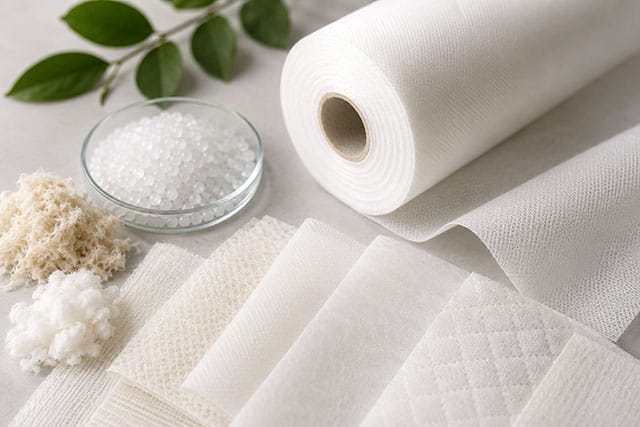
The substrate plays an important role here. A soft nonwoven fabric can significantly affect how a wipe feels against the skin, while absorbency and strength determine how well it performs during use.
Brands therefore need to evaluate the formula and substrate together instead of treating them as separate decisions. Options such as viscose, cotton, bamboo fiber, and other nonwoven materials can be considered according to the required softness, absorbency, strength, sustainability goals, and price positioning.
For brands comparing different substrates, our guide to wet wipes materials provides a closer look at the available fabric options and their typical applications.
Sustainability Is Moving Into the Mainstream
Environmental concerns have also changed the way baby wipes are developed.
Traditional wipes can contain synthetic fibers that persist in the environment. As consumers become more aware of the materials used in disposable products, brands are increasingly considering plant-based and biodegradable substrates for new baby wipe ranges.
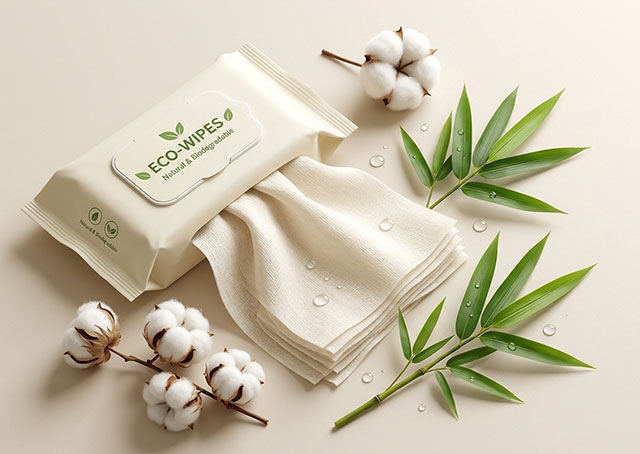
Bamboo fiber, viscose, cotton, and other plant-derived materials can offer alternatives to conventional synthetic fabrics, depending on the product requirements and sustainability claims a brand intends to make.
However, sustainability is not limited to the wipe itself. Packaging, manufacturing processes, transportation, and disposal instructions all contribute to the overall environmental profile of a product.
This is why biodegradable wipes are becoming part of a broader product-development strategy rather than simply a marketing trend. Brands need to make sure that environmental claims accurately reflect the materials, formulation, packaging, and applicable market requirements.
Packaging Is Becoming Part of the Product Experience
Parents usually want baby wipes to be convenient as well as gentle.
A package that is difficult to open, dries out easily, or is inconvenient to carry can negatively affect the user experience even when the wipes themselves perform well.
Flow packs with resealable lids remain widely used because they are practical for everyday diaper changing and home use. Refill packs can provide another option for consumers who already have a suitable dispenser or container, while smaller travel packs can be developed for families who need wipes outside the home.
Packaging also gives brands an opportunity to differentiate their products on retail shelves. Sheet count, pack size, lid design, film structure, printing, and overall visual presentation can all be adjusted according to the target market.
For companies developing a new product range, selecting suitable baby wipes packaging options should therefore happen alongside formula and material selection rather than at the final stage.
Baby Wipes Are Becoming More Specialized
The baby wipes category is no longer limited to one general-purpose product.
Brands can develop different products for newborn care, sensitive skin, everyday diaper changes, travel, hand cleaning, or environmentally focused consumers. Each application can require a different balance of material, formula, sheet size, moisture level, and packaging.
This specialization allows brands to build a product range rather than compete only on price.
For example, a newborn-focused product may emphasize purified water, softness, and a minimalist formula, while an eco-positioned product may place greater emphasis on bamboo or other plant-based materials. A travel product may prioritize compact packaging and portability.
The important point is that the product should be developed around a clearly defined user and application instead of trying to make one wipe suitable for every situation.
Manufacturing Technology Supports More Consistent Quality
As baby wipes become more specialized, manufacturing consistency becomes increasingly important.
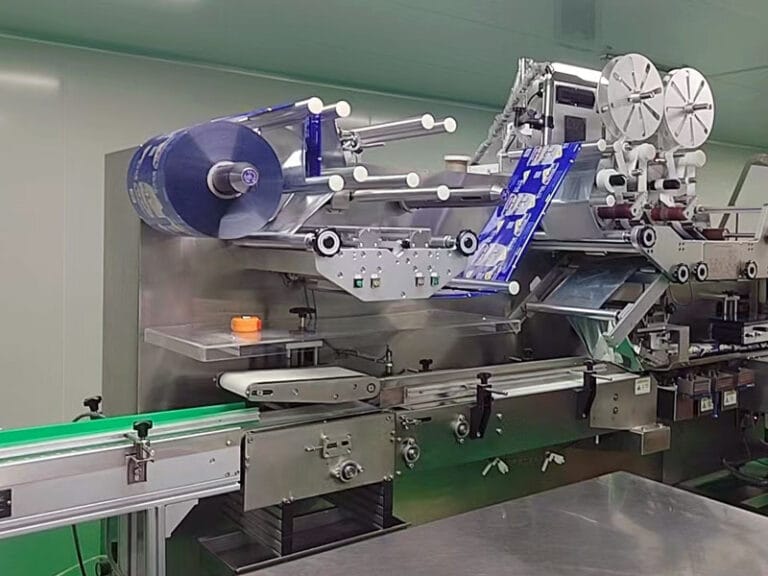
Modern production lines can control processes such as liquid dosing, folding, cutting, sealing, and packaging with greater precision. Consistent moisture distribution is particularly important because variations within a batch can affect both user experience and shelf stability.
Quality control also needs to extend beyond the production line. Raw materials, formula ingredients, packaging materials, microbiological controls, and finished products all need to be evaluated according to the product specifications and target market.
For international brands, this becomes especially important because regulatory and labeling requirements can vary between markets. A reliable manufacturing partner should be able to discuss these requirements during product development rather than only after production has started.
Product Development Is Becoming More Collaborative
The development of a modern baby wipe is rarely a simple process of selecting an existing product and adding a logo.
Brands may begin with a target consumer and a desired market position. From there, the manufacturer needs to help translate that idea into a workable combination of formula, substrate, sheet specification, packaging, and production requirements.
This collaborative approach is particularly useful when developing private label products. A brand may want a softer wipe, a more sustainable substrate, a fragrance-free formula, a larger sheet, or a different packaging format. Each change can affect the final product in different ways.
That is why baby wipes product development should ideally include formula evaluation, material selection, sample testing, packaging decisions, and production validation before mass manufacturing begins.
What Will Shape the Next Stage of the Baby Wipes Market?
The next stage of the baby wipes industry is likely to be shaped by several trends working together rather than by one single innovation.
Consumers will continue to pay attention to ingredient transparency and skin comfort. Sustainable materials will remain important as brands look for ways to reduce the environmental impact of disposable products. Packaging will continue to balance convenience, moisture protection, branding, and material reduction.
At the same time, product differentiation will become increasingly important. Instead of offering one standard baby wipe, brands can develop products around specific needs such as sensitive skin, newborn care, sustainability, portability, or premium positioning.
For manufacturers, this means flexibility is becoming just as important as production capacity.
A factory may have the equipment to produce millions of packs, but brands also need a partner that can help them select the right material, adjust formulas, evaluate samples, and turn a product concept into a consistent commercial product.
Choosing the Right Manufacturing Partner
For brands entering or expanding in the baby wipes market, the choice of manufacturing partner can have a long-term impact on product quality and supply stability.
A capable partner should be able to support more than basic production. Formula development, nonwoven material selection, packaging customization, quality control, sampling, and production scale-up all become important when developing a new baby wipes range.
SYWIPE supports customized baby wipes for brands, retailers, and distributors, with options covering materials, formulas, wipe specifications, and packaging formats. Its current baby wipes range includes bamboo, cotton, viscose, sensitive-skin, water-based, and other product concepts.
The goal is not simply to follow the latest baby wipes trend. It is to understand which trends matter to the target consumer and translate them into a product that is practical to manufacture, clearly positioned, and consistent in quality.
Frequently Asked Questions About Baby Wipes Trends
What are the main trends in the baby wipes industry?
The major trends include gentler formulations, sensitive-skin products, plant-based and biodegradable materials, convenient packaging, greater ingredient transparency, and more specialized product development.
What materials are commonly used for baby wipes?
Common materials include viscose, bamboo fiber, cotton, and spunlace nonwoven fabrics. The appropriate material depends on softness, absorbency, strength, sustainability goals, and the intended application.
Are biodegradable baby wipes becoming more popular?
Yes. Sustainability is an increasingly important consideration for baby wipe brands. However, brands should evaluate the complete product, including the substrate, formula, packaging, and disposal requirements, before making environmental claims.
Can baby wipes be customized for different markets?
Yes. Brands can customize factors such as formula, material, sheet size, GSM, sheet count, folding, packaging, and branding according to product requirements and target-market needs.
What should brands consider when developing private label baby wipes?
Brands should consider the target consumer, formula, wipe material, product claims, sheet specifications, packaging, regulatory requirements, MOQ, testing, and manufacturing capability before moving to mass production.
Final Thoughts
The baby wipes industry is moving toward products that combine gentle skin care, practical convenience, material innovation, and more responsible product design.
For brands, the opportunity is not simply to follow every new trend. The stronger approach is to identify the needs of a specific consumer group and build the product around those needs.
With the right combination of formula, material, packaging, and manufacturing support, baby wipes can be developed into a differentiated product line that meets both consumer expectations and commercial requirements.