Bamboo Wipes vs. Flushable Wipes: Key Differences
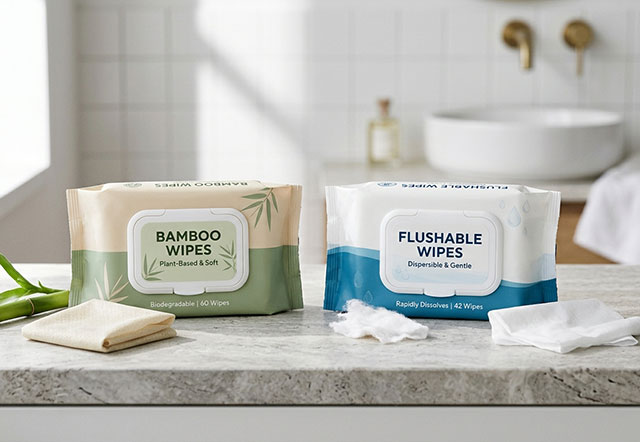
Choosing the right materials is an important part of developing a successful wet wipes product. As an experienced wet wipes manufacturer, SYWIPE works with different nonwoven substrates and formulations to support brands developing baby care, personal hygiene, and household cleaning products. Among the options attracting attention in the hygiene market, bamboo wipes and flushable wipes are often compared because both are associated with more sustainable product development. However, they serve different purposes, and understanding their differences can help brands make better product decisions.
Bamboo wipes are primarily defined by the materials used to manufacture their substrates, while flushable wipes are defined by their intended performance after disposal. A bamboo-based wipe is not automatically flushable, and a flushable wipe does not necessarily contain bamboo fibers.
For product developers, the important questions are not simply which material sounds more environmentally friendly, but how the finished product performs, where it will be used, and whether its environmental claims can be supported.
What Are Bamboo Wipes?
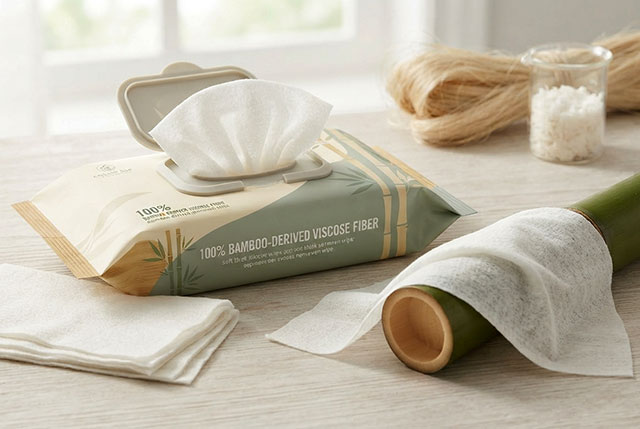
Bamboo wipes are wet wipes made with fibers derived from bamboo. These fibers are commonly processed into regenerated cellulose, such as bamboo viscose, before being converted into nonwoven fabrics.
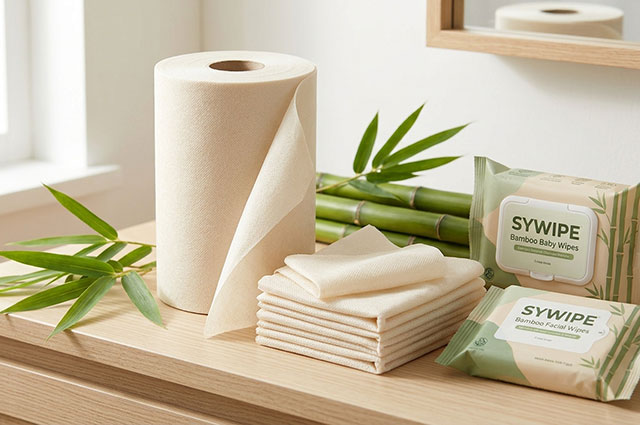
Bamboo-derived substrates are attractive for personal care products because they can provide a soft texture, good liquid absorption, and a comfortable wiping experience. These characteristics make them suitable for applications where consumers expect gentle cleansing and convenient everyday hygiene.
Baby wipes, facial wipes, body wipes, and selected household cleaning products are common applications for bamboo-based materials.
Another reason brands consider bamboo is its status as a rapidly renewable plant resource. However, the use of bamboo does not automatically make a finished wipe biodegradable, compostable, or environmentally superior. Fiber processing, additional materials, lotion ingredients, and packaging all influence the final product.
Brands interested in understanding the material in greater detail can refer to our guide to bamboo wet wipes, which explains bamboo-derived fibers and their applications in wet wipes manufacturing.
What Are Flushable Wipes?
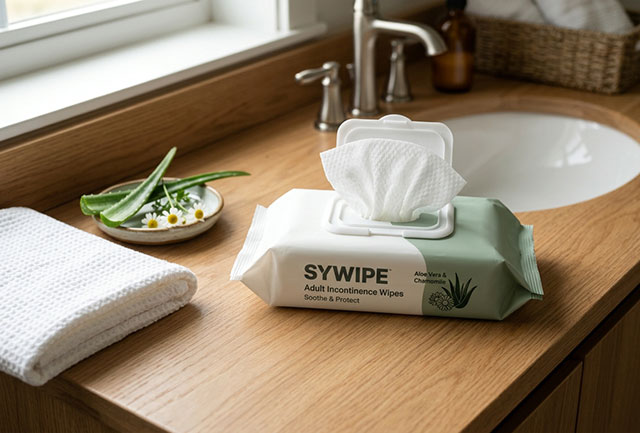
Flushable wipes are developed primarily for toilet hygiene. Unlike conventional wet wipes, which are designed to maintain their structure during use, flushable wipes need to balance sufficient wet strength with the ability to disperse under appropriate testing conditions.
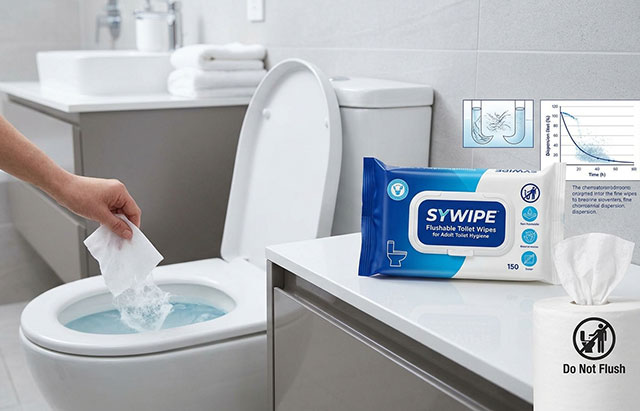
Their performance depends on several factors, including fiber composition, substrate construction, bonding methods, and the characteristics of the finished product.
Wood pulp, viscose, and other suitable cellulose-based fibers may be considered during development. The goal is to create a wipe that remains functional during normal use while meeting the relevant flushability performance requirements.
It is important to understand that using plant-derived or biodegradable materials does not automatically make a wipe flushable. The finished product must be evaluated against appropriate testing criteria.
For brands developing toilet hygiene products, flushable wet wipes offer a dedicated product category with specific requirements for material selection, performance, and disposal instructions.
Bamboo Wipes vs. Flushable Wipes: What Are the Main Differences?
Although bamboo wipes and flushable wipes may both contain cellulose-based materials, their product development priorities are different. The following factors help explain why one type cannot simply replace the other.
1. Material Composition
The most obvious distinction is how the two products are classified.
Bamboo wipes are identified by their fiber source. Bamboo-derived cellulose can be processed into nonwoven substrates with different fabric weights, textures, and absorbency characteristics.
Flushable wipes are identified by their intended disposal performance. Their substrates are selected and engineered to achieve the necessary balance between wet strength and dispersibility.
This means bamboo is a material description, whereas flushability is a product performance characteristic.
A bamboo-based substrate may work well for baby wipes or facial cleansing products but may not be suitable for a flushable application without additional product development and testing.
2. Softness and Absorbency
For baby care and personal hygiene products, softness and absorbency are important purchasing considerations.
Bamboo-derived fibers are often selected for their soft feel and ability to absorb liquid. These properties can make them suitable for products intended for frequent skin contact.
Flushable wipes also need to provide a comfortable cleansing experience, but their construction must account for dispersibility after disposal.
Manufacturers therefore need to consider fiber ratios, fabric weight, substrate structure, and lotion loading when developing either product.
The best substrate is not necessarily the softest or strongest one. It is the material that delivers the required performance for the intended application.
3. Environmental Impact
Environmental positioning is one reason bamboo wipes and flushable wipes are frequently compared. However, their environmental characteristics should be evaluated separately.
Bamboo is a renewable plant resource, and bamboo-derived cellulose can be an attractive option for brands seeking plant-based materials. Nevertheless, the overall environmental performance of a finished wipe also depends on fiber processing, product composition, packaging, manufacturing, and disposal.
Flushable wipes address a different consideration: how the finished product behaves after entering wastewater systems.
Biodegradable, compostable, and flushable are not interchangeable terms. A biodegradable wipe is not necessarily suitable for flushing, and a flushable product should not automatically be described as compostable.
Brands should use environmental claims only when they are supported by appropriate testing and documentation.
4. Intended Applications
Bamboo wipes are commonly developed for products where softness, absorbency, and material positioning are important.
Typical applications include:
- Baby wipes and diaper changing products
- Facial cleansing wipes
- Body and personal hygiene wipes
- Travel and everyday cleansing products
- Selected household cleaning wipes
Flushable wipes are more specifically associated with toilet hygiene and adult personal care.
Typical applications include:
- Adult toilet wipes
- Moist toilet tissue
- Personal cleansing products
- Travel toilet hygiene products
The distinction matters when developing a product range. A baby wipe and a toilet wipe may both be wet wipes, but their material requirements, testing priorities, and disposal instructions are very different.
Bamboo Wipes vs. Flushable Wipes: A Side-by-Side Comparison
Comparison Factor | Bamboo Wipes | Flushable Wipes |
Product definition | Based on bamboo-derived fibers | Based on intended flushability performance |
Typical materials | Bamboo-derived cellulose | Wood pulp, viscose, and suitable cellulose fibers |
Main performance | Softness and absorbency | Wet strength and dispersibility |
Common applications | Baby care, facial care, body cleansing | Adult hygiene and toilet care |
Material sourcing | Bamboo as a plant resource | Depends on substrate composition |
Biodegradability | Depends on finished composition and conditions | Depends on finished composition and conditions |
Flushability | Not automatic | Requires appropriate evaluation |
Development priority | Skin comfort and cleansing performance | Dispersibility and functional performance |
The comparison shows that neither product is universally better. Bamboo wipes are a material-led product choice, while flushable wipes are a performance-led product choice.
For brands, the right decision should be based on the intended application rather than the popularity of a particular material.
Which Type of Wipes Should Your Brand Choose?
The decision between bamboo wipes and flushable wipes should start with the target market and consumer expectations.
When Bamboo Wipes Are the Better Choice
Bamboo wipes are worth considering when a brand wants to develop a personal care product using bamboo-derived cellulose.
Their soft texture and absorbency can support baby care, facial cleansing, and body hygiene applications. They can also complement product ranges positioned around plant-derived materials.
For these products, brands should prioritize substrate softness, lotion compatibility, skin-contact suitability, and accurate material labeling.
It is equally important to verify the composition of the finished wipe before making claims about biodegradability, compostability, or plastic-free content.
When Flushable Wipes Are the Better Choice
Flushable wipes are more appropriate when the intended application is toilet hygiene and the product is specifically developed to meet relevant flushability requirements.
Material selection should focus on the balance between wet strength and dispersibility. Testing and supporting documentation should be considered during product development rather than after the product has entered production.
Brands should also provide clear disposal instructions and consider local wastewater guidance in their target markets.
For additional guidance on substrate selection and performance requirements, read our article on how to choose flushable wipes.
Can Brands Offer Both Product Categories?
Yes. Some brands may benefit from developing both bamboo-based personal care wipes and flushable toilet wipes.
For example, a hygiene brand could offer bamboo baby wipes and facial wipes alongside a separate flushable toilet wipe range.
This approach allows brands to serve different consumer needs while maintaining a consistent product identity.
However, the two categories should have separate product specifications, performance evaluations, packaging claims, and disposal instructions. Sharing a sustainability positioning does not mean they should share the same technical requirements.
What Should Brands Consider Before Manufacturing?
Once the product category has been selected, the next step is to define the specifications that will determine the finished product’s quality and market suitability.
Substrate selection
Fiber composition, fabric weight, softness, absorbency, and wet strength should be selected according to the product’s intended use. Material choices for baby wipes may differ considerably from those for flushable toilet wipes.
Liquid formulation
The lotion should be compatible with the selected substrate and intended application. Depending on the product concept, brands may consider fragrance-free, moisturizing, or other customized formulations.
Sheet dimensions and packaging
Sheet size, sheet count, pack dimensions, resealable labels, flip-top lids, and refill formats should match the target market and retail channel.
Product testing
Personal care products require appropriate safety and compatibility evaluations. Flushable wipes require additional attention to finished-product flushability performance and supporting test documentation.
Environmental claims and labeling
Descriptions such as bamboo-based, biodegradable, compostable, and flushable should be used accurately. Brands should ensure that each claim is supported by relevant evidence and complies with the requirements of the markets where products will be sold.
These decisions are easier to manage when material selection, formulation, packaging, and testing requirements are established before mass production.
Frequently Asked Questions
Are bamboo wipes the same as flushable wipes?
No. Bamboo wipes are identified by their fiber source, while flushable wipes are developed around specific disposal performance requirements. Bamboo-based fibers do not automatically make a finished wipe flushable.
Are bamboo wipes biodegradable?
Bamboo-derived cellulose fibers can biodegrade under suitable conditions. However, the biodegradability of a finished wipe depends on its complete composition and the conditions used for testing. Brands should obtain supporting evidence before making specific environmental claims.
Can bamboo wipes be flushed down the toilet?
Not unless the finished product has been specifically designed and evaluated for flushability. Ordinary bamboo personal care wipes should be disposed of according to their packaging instructions rather than assumed to be suitable for flushing.
Which materials are commonly used in flushable wipes?
Wood pulp, viscose, and other suitable cellulose-based fibers may be considered, depending on the required performance. The finished substrate needs to balance practical wet strength with appropriate dispersibility.
Can a wet wipes manufacturer produce both bamboo and flushable wipes?
Yes. Manufacturers with suitable material sourcing and product development capabilities can develop both categories. Each product requires its own substrate specifications, formulation considerations, performance evaluation, and packaging design.
Develop Your Next Wet Wipes Product with SYWIPE
Bamboo wipes and flushable wipes offer different opportunities for brands entering the personal care and hygiene market. The best choice depends on your target customers, product application, material requirements, and intended disposal method.
SYWIPE supports OEM and private label wet wipes development, including substrate selection, customized liquid formulations, sheet specifications, packaging design, sampling, and mass production.
Whether you are planning a bamboo-based personal care range or developing flushable wipes for adult hygiene, our private label wet wipes service can help you develop a product that matches your brand positioning and market requirements.
Contact SYWIPE to discuss your product specifications and manufacturing plans.