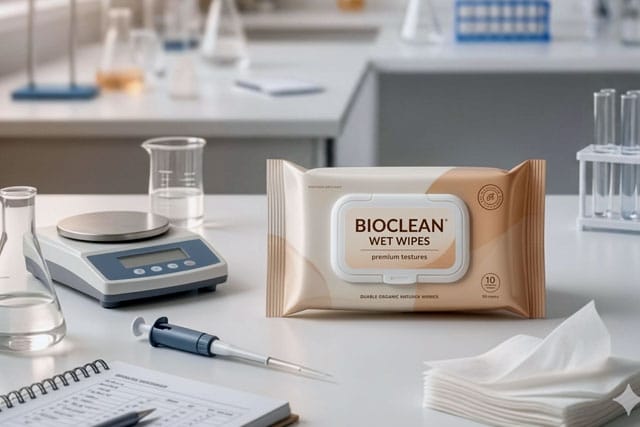
Wet Wipes Manufacturing Process: How Quality Products Are Made
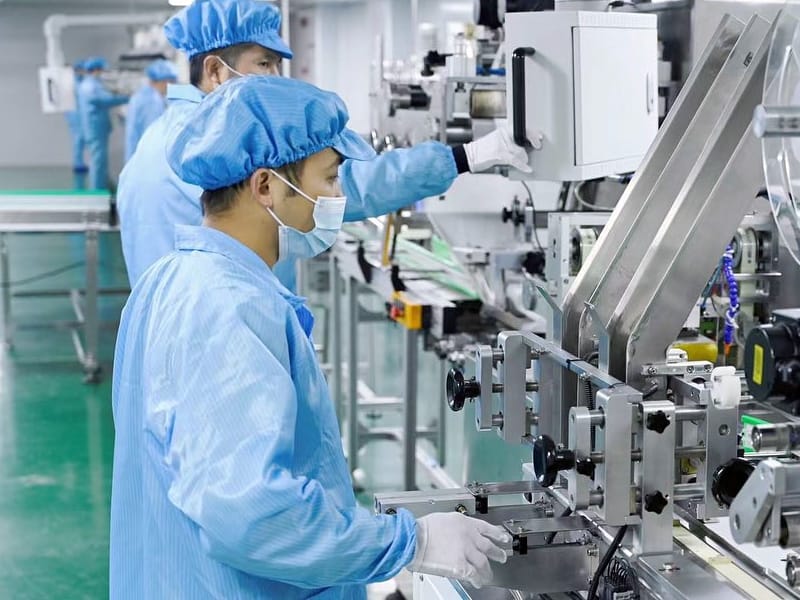
When customers pick up a pack of wet wipes, they usually notice the softness, freshness, packaging design, and convenience. However, few people see the careful manufacturing process behind every wipe.
For brands, retailers, and distributors entering the hygiene market, understanding how wet wipes are manufactured is an important part of choosing the right production partner. A reliable manufacturer does not simply produce wipes; they help transform an idea into a safe, consistent, and market-ready product.
SYWIPE is an experienced wet wipes manufacturer supporting global brands with customized materials, formulas, packaging, and production solutions. From product development to final shipment, every stage is managed with strict quality control to ensure stable results for different markets.
From Product Idea to Finished Wet Wipes
Every successful wet wipes product starts with a clear understanding of its purpose.
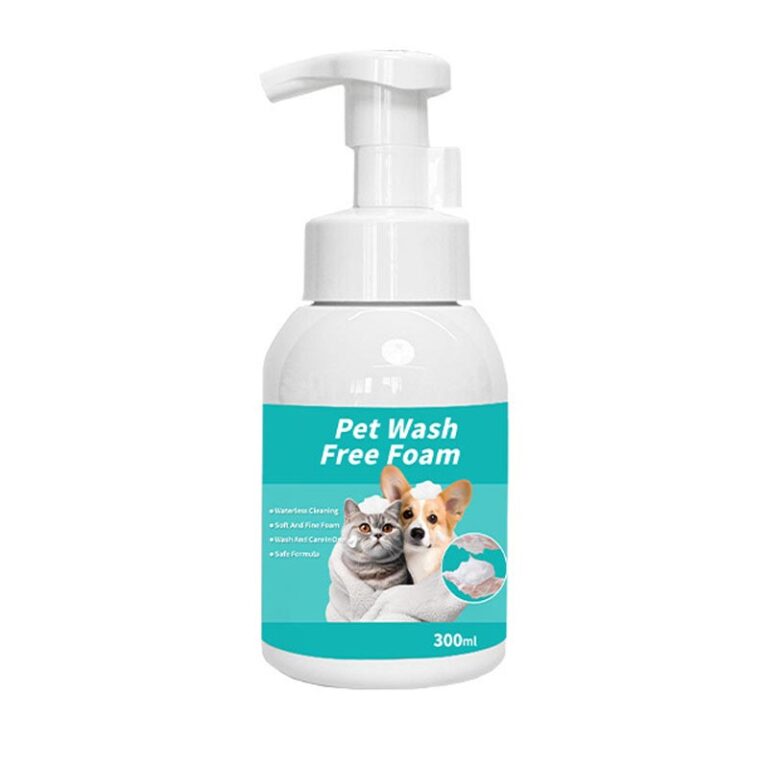
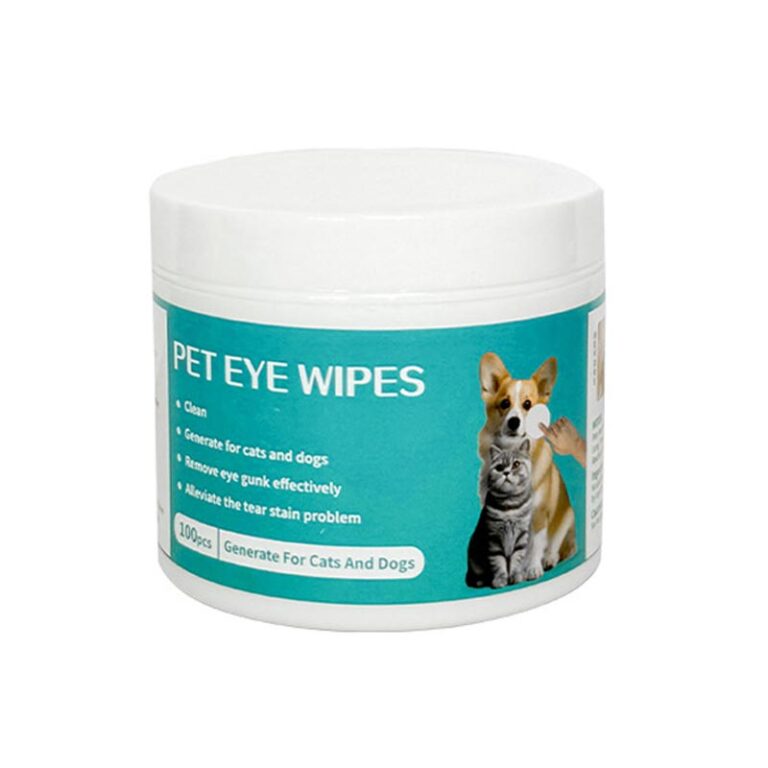
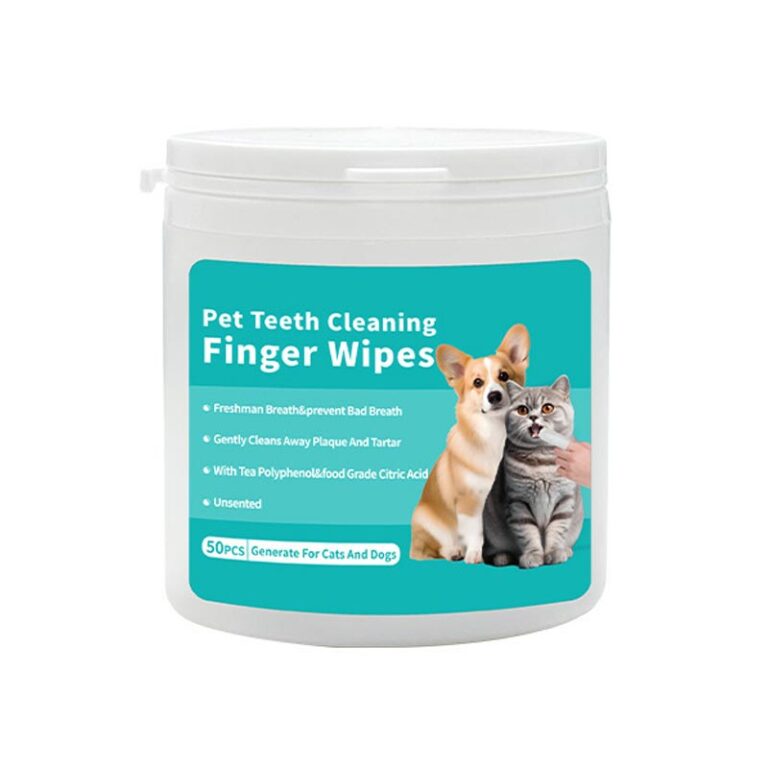
A baby wipes brand may focus on softness and skin safety, while a household cleaning wipe may require stronger materials and higher cleaning performance. Beauty wipes, medical wipes, pet wipes, and industrial wipes all have different requirements, which means the manufacturing process must be adapted according to the final application.
Before production begins, manufacturers work with brands to understand the target market, product positioning, ingredients, packaging expectations, and regulatory requirements.
This development stage is where experience matters most. Choosing the wrong material or formula at the beginning can affect product performance, customer satisfaction, and long-term brand reputation.
Selecting the Right Materials for Wet Wipes
The foundation of every wet wipe is the nonwoven fabric.
Different applications require different materials. Some products use soft viscose fibers for a gentle skin feel, while others may use bamboo fiber, cotton, wood pulp, polyester, or blended materials to achieve specific performance requirements.
For example, a premium baby wipe needs excellent softness and absorbency, while a heavy-duty industrial wipe requires strength and durability.
Sustainability has also become an important consideration for many brands. As consumers become more environmentally conscious, manufacturers are increasingly developing wipes using biodegradable and renewable fiber options.
The right material selection ensures that the final product delivers the expected experience before the formula is even added.
Developing the Formula Behind Every Wet Wipe
The liquid solution is another critical part of wet wipes manufacturing.
Although water is the main ingredient in many formulations, professional wet wipes solutions are carefully developed with additional components such as moisturizers, skin conditioners, preservatives, cleansing ingredients, or functional additives.
The formula must achieve the right balance between effectiveness, safety, stability, and shelf life.
For private label brands, customized formulation provides an opportunity to create products with unique features instead of competing only through price. Experienced manufacturers can adjust ingredients, fragrance, moisture levels, and performance based on the brand’s market goals.
Through OEM wet wipes manufacturing solutions, companies can develop customized products while relying on professional production expertise.

How Wet Wipes Are Manufactured in a Factory
Once the fabric and formula are approved, the product enters the manufacturing stage.
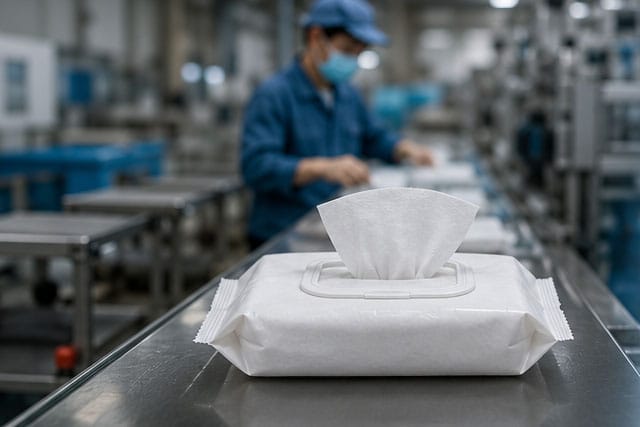
Modern wet wipes production combines automated equipment, skilled operators, and strict quality management to ensure every pack maintains consistent performance.
Although the process involves advanced machinery, the goal is simple: transform raw materials into safe, convenient, and reliable wipes.
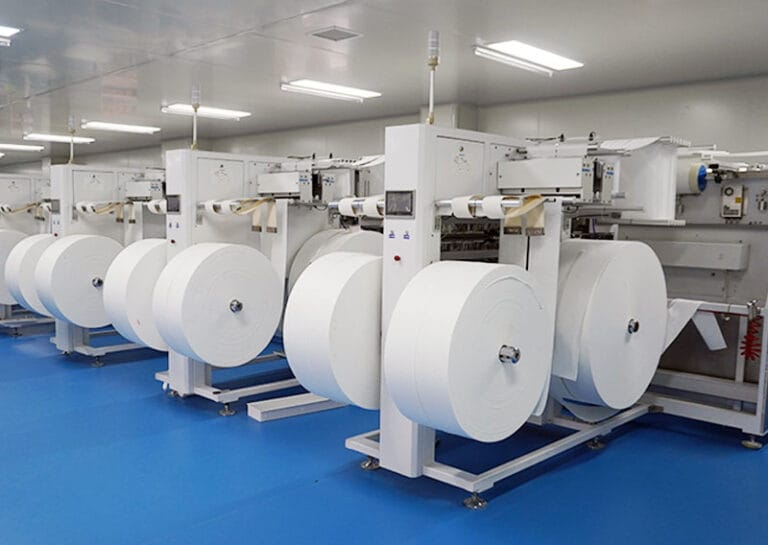
1. Fabric Rolling: Preparing the Nonwoven Material
The process begins when large rolls of nonwoven fabric are loaded into high-speed automated rolling machines.
The equipment carefully controls the movement and alignment of the fabric, creating a stable foundation for the following production stages. Consistent fabric handling helps ensure that every finished wipe has the same appearance and performance.
2. Fabric Folding: Creating the Correct Product Format
After rolling, the continuous fabric moves into automated folding equipment.
The machine precisely folds the material according to the product specifications and packaging requirements. Whether the wipes are designed for baby care, personal hygiene, or industrial use, accurate folding ensures convenient dispensing and a consistent user experience.
3. Liquid Preparation: Adding the Customized Solution
The next stage focuses on applying the liquid formula.
Customized solutions containing purified water, skin conditioners, cleansing ingredients, or antibacterial components are prepared in specialized mixing tanks. The finished solution is then evenly infused or sprayed onto the moving fabric layers.
Maintaining the correct moisture level is essential. Too little moisture can affect usability, while excessive liquid may impact packaging performance and product stability.
4. Fabric Cutting: Creating Individual Wipes
After the fabric absorbs the solution, precision cutting equipment separates the material into individual wipes or pre-counted stacks.
Industrial cutting blades ensure accurate dimensions and consistent quantities, allowing products to move smoothly into the packaging process.
5. Packaging: Protecting the Product Before Use
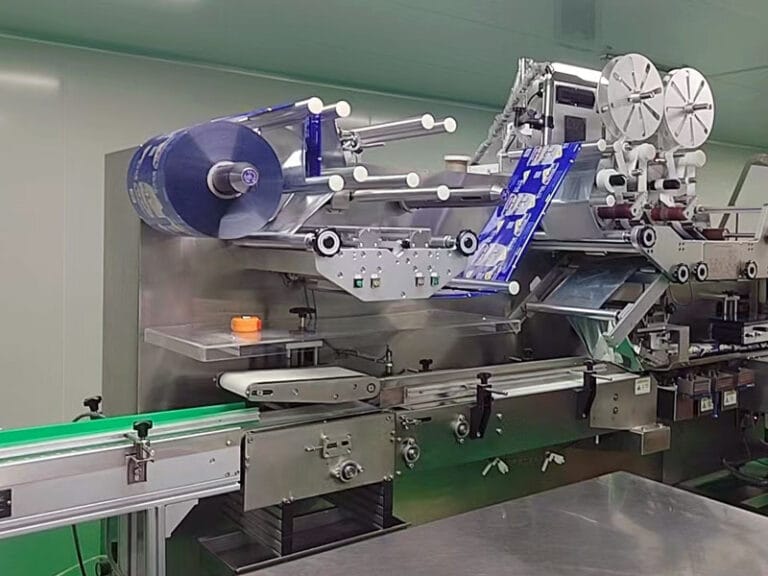
Once cutting is complete, the wipes are automatically transferred to the packaging line.
The packaging process includes wrapping, sealing, and lid application when required. Good packaging protects the wipes from moisture loss while also supporting brand presentation on retail shelves.
For private label customers, packaging design is an important part of building brand recognition. Manufacturers can support different formats, including soft packs, tubs, refill packs, and customized solutions.
6. Microbiological Testing: Ensuring Safety and Quality
Before shipment, finished products undergo strict quality inspections.
Quality assurance teams perform microbiological testing through sampling and laboratory analysis to verify hygiene safety and product reliability.
These inspections help confirm that every batch meets customer specifications and provides consistent quality from the first package to the last.
Why Manufacturing Experience Matters for Wet Wipes Brands
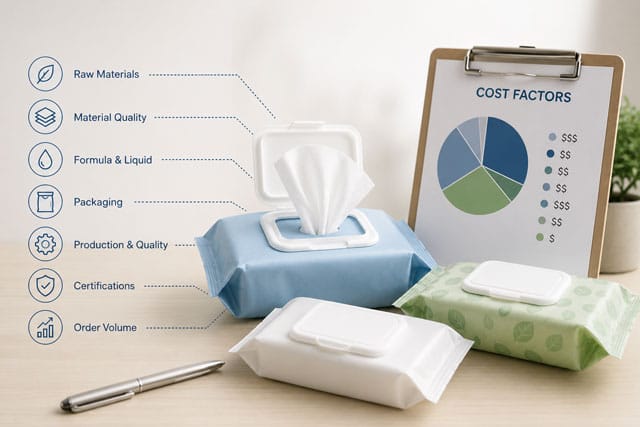
Choosing a wet wipes manufacturer is not only about production capacity.
A reliable partner should understand materials, formulas, packaging, quality standards, and international market requirements. This knowledge helps brands avoid common problems such as inconsistent moisture, packaging failures, delayed production, or products that fail to meet market expectations.
For companies that want to scale efficiently, working with an experienced manufacturer can reduce development risks and shorten the path from concept to market.
SYWIPE provides wet wipes contract manufacturing services for brands, retailers, and distributors looking for flexible production support, customized solutions, and stable supply capabilities.
Quality Control Throughout the Manufacturing Journey
Quality is built into every stage of wet wipes production.
From incoming raw materials and formula testing to automated production monitoring and final inspection, professional factories use multiple checkpoints to maintain consistency.
For international customers, certifications, production standards, and export experience are also important factors when selecting a manufacturing partner.
A factory with strong quality management systems gives brands greater confidence when entering competitive markets.
Building Successful Products Through Professional Manufacturing
The wet wipes manufacturing process is a combination of technology, experience, and attention to detail.
Behind every successful wipes product is a manufacturer that understands how materials, formulas, production systems, and customer expectations work together.
Whether launching baby wipes, personal care wipes, biodegradable wipes, pet wipes, or household cleaning products, choosing the right manufacturing partner can make a significant difference in product quality and business growth.
Frequently Asked Questions About Wet Wipes Manufacturing
How are wet wipes manufactured?
Wet wipes are produced by combining nonwoven fabric with a specially developed liquid solution. The process includes fabric preparation, folding, solution application, cutting, packaging, and quality testing.
What materials are commonly used to make wet wipes?
Wet wipes can be made from viscose, cotton, bamboo fiber, wood pulp, polyester, or blended materials depending on product requirements.
Can manufacturers create custom wet wipes formulas?
Yes. Many OEM manufacturers provide customized formulation services to help brands develop products with specific functions, ingredients, and market positioning.
How long does wet wipes production take?
Production time depends on product complexity, packaging requirements, formula approval, and order quantity. Customized private label products usually require more development time than standard products.
What should brands consider when choosing a wet wipes manufacturer?
Brands should evaluate manufacturing experience, quality control systems, customization capability, production capacity, certifications, and international supply experience.