Top 5 OEM Wet Wipes Suppliers in the USA (2026 Guide)
Finding an OEM wet wipes supplier is rarely as simple as searching for the largest factory in the United States. Most buyers begin with a clear goal—launching a new baby wipes brand, expanding a private label product line, or replacing an existing supplier—but quickly discover that manufacturing capabilities vary far more than expected.
Some factories excel at large retail programs, while others are better suited to low-volume customized projects. A supplier with advanced production equipment may still struggle with packaging innovation, and another with competitive pricing may not have the regulatory experience required for international distribution.
As the U.S. wipes market continues to expand across baby care, healthcare, personal hygiene, cosmetics, and household cleaning, choosing the right manufacturing partner has become a strategic business decision rather than a purchasing task. The following manufacturers have built strong reputations by serving different segments of the market, each offering distinct advantages depending on a brand’s priorities.
Why OEM Manufacturing Has Become the Preferred Choice
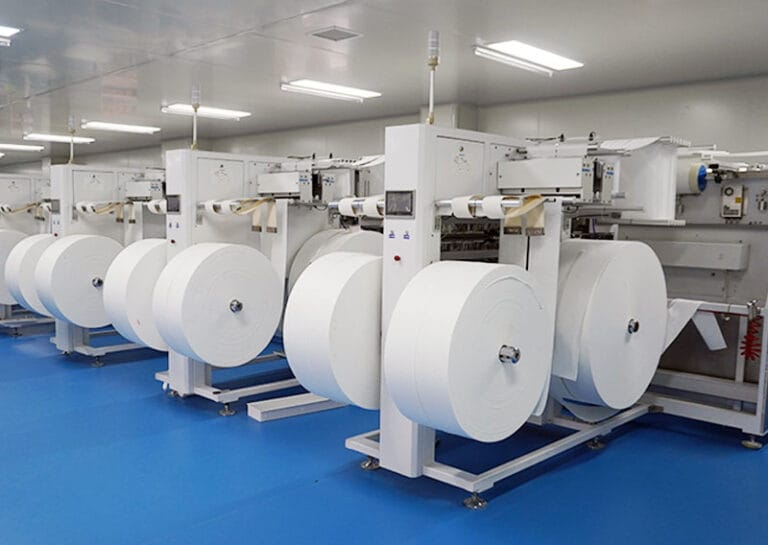
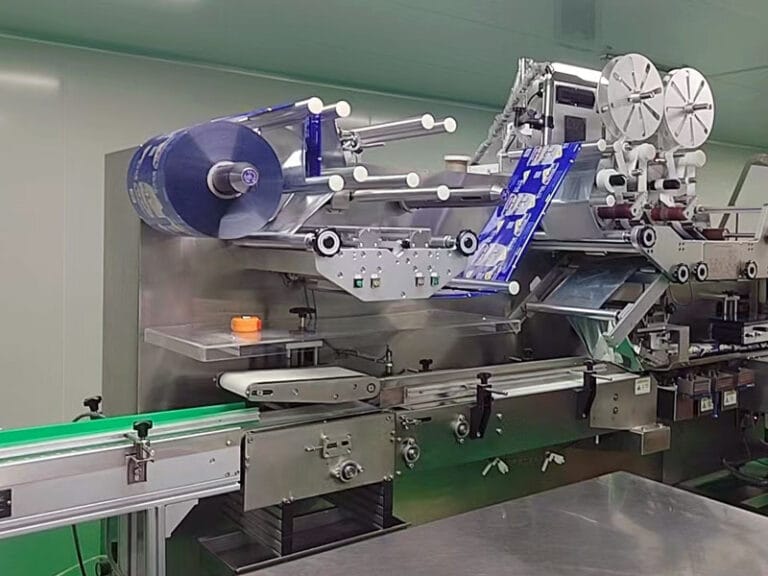
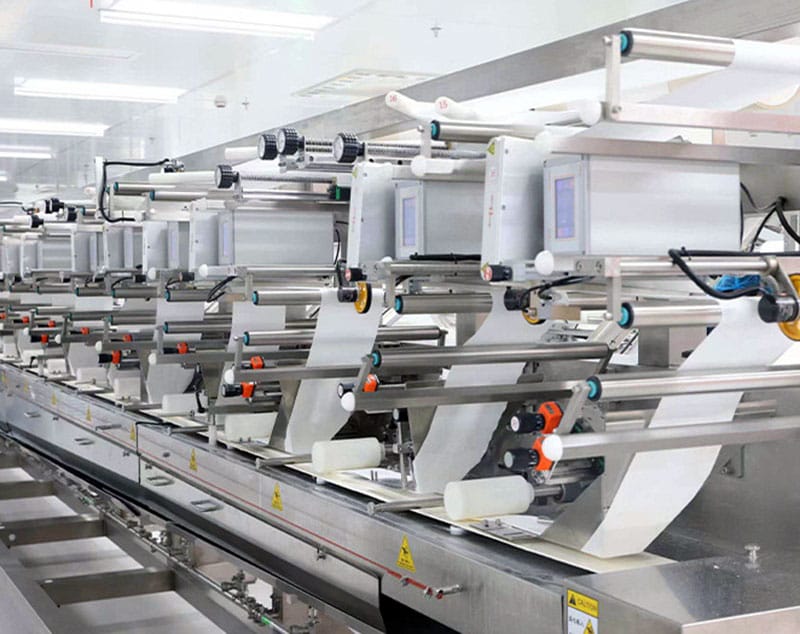
Few emerging brands today consider building their own wet wipes factory. The investment in automated converting lines, purified water systems, quality laboratories, and regulatory compliance is simply too high for most businesses.
Instead, brands increasingly rely on experienced OEM manufacturers to transform an idea into a finished retail product. From developing formulas for sensitive skin to selecting nonwoven materials and designing retail-ready packaging, manufacturers now participate in almost every stage of product development.
For companies entering the market, understanding the OEM wet wipes manufacturing process is often the first step toward choosing the right production partner.
1. Diamond Wipes International: Built for Retail Brands
Many buyers first encounter Diamond Wipes International after seeing its products on supermarket shelves rather than realizing the company manufactures for numerous private label programs behind the scenes.
Its strength lies in balancing production capacity with customization. Rather than offering only standard products, the company works with retailers and consumer brands to develop baby wipes, cosmetic wipes, disinfecting wipes, and personal care products tailored to different market segments.
For retailers, this flexibility matters. Consumers may never know who manufactured a package of wipes, but they immediately notice leaking lids, dry sheets, or packaging that fails after repeated use. Manufacturers capable of maintaining consistent product quality often become long-term partners instead of short-term suppliers.
2. Nice-Pak: Decades of Innovation in Personal Care
When discussing the evolution of modern wet wipes, Nice-Pak is a name that frequently appears. The company has played a significant role in developing many of today’s personal hygiene products, particularly in flushable and baby wipes.
As consumer expectations have shifted toward gentler ingredients and environmentally responsible materials, Nice-Pak has continued investing in product safety, flushability testing, and biodegradable technologies. These capabilities have helped the company remain competitive as retailers place greater emphasis on sustainability alongside product performance.
3. Rockline Industries: Manufacturing at Scale
Not every brand needs small production runs. National retailers often require millions of units delivered on strict schedules, and this is where Rockline Industries has established its reputation.
Its manufacturing network is designed to support large-volume programs while maintaining stable product quality across multiple categories, including baby care, household cleaning, and disinfecting wipes. For brands supplying major retail chains, consistency and supply reliability can be just as valuable as competitive pricing.
4. Kleen Test Products: Turning Ideas into Commercial Products
For many startups, the biggest challenge is not finding a factory but transforming an idea into a product consumers will trust.
Kleen Test Products has built much of its business around supporting that journey. Instead of simply manufacturing wipes, the company works with customers on formulation development, packaging selection, stability testing, and regulatory preparation before commercial production begins.
This collaborative approach is especially valuable for brands entering competitive personal care markets, where product performance often determines whether customers make a second purchase.
5. National Wiper Alliance: Flexibility for Growing Brands
Large production capacity is not always the deciding factor when selecting an OEM supplier. Smaller brands often value responsiveness, shorter development cycles, and lower minimum order quantities more than factory size.
National Wiper Alliance has positioned itself to serve these customers by offering flexible manufacturing solutions across several specialty wipe categories. Its ability to adapt quickly makes it an attractive option for businesses testing new products before committing to larger production volumes.
Looking Beyond the United States
Although domestic manufacturing remains attractive for many American brands, global sourcing has become increasingly common over the past decade.
Rather than depending on a single production location, companies frequently combine U.S. manufacturing with experienced overseas OEM partners to improve supply chain flexibility and reduce production costs. This approach also allows brands to access a wider range of materials, packaging options, and customized formulations.
Manufacturers such as SYWIPE have become part of this global sourcing strategy by providing OEM and private label production for baby wipes, cosmetic wipes, antibacterial wipes, pet wipes, and biodegradable wipes. Their focus on customized manufacturing enables international brands to scale production while maintaining consistent product quality.
Brands considering overseas production often begin by comparing experienced private label wet wipes manufacturers capable of supporting customized packaging and regulatory requirements for different markets.
Sustainability Is No Longer Optional
Only a few years ago, sustainability was often treated as a marketing advantage. Today it has become a purchasing requirement.
Retailers increasingly ask manufacturers about biodegradable substrates, plastic-free materials, recyclable packaging, and responsible sourcing before discussing pricing. Consumers have also become more aware of environmental issues, making sustainable product development an important factor in long-term brand growth.
Manufacturers that continue investing in environmentally responsible materials are likely to remain competitive as regulations and consumer expectations continue evolving.
Choosing the Right Manufacturing Partner
After comparing different suppliers, many buyers realize there is no universal “best” OEM wet wipes manufacturer.
The right partner depends on whether a business values rapid product development, premium formulations, low minimum order quantities, retail-ready packaging, or large-scale production capacity. What matters most is finding a manufacturer capable of supporting the brand beyond its first purchase order.
Before signing any agreement, experienced buyers typically ask detailed questions about production capacity, quality management, packaging capabilities, certifications, and supply chain stability. These conversations often reveal more about a manufacturer than any product catalog.
For companies preparing to evaluate suppliers, knowing the right questions to ask a wet wipes manufacturer can significantly reduce sourcing risks.
Final Thoughts
Choosing an OEM wet wipes supplier is about much more than comparing production costs. The strongest partnerships are built on reliable quality, transparent communication, product innovation, and the ability to grow alongside a brand’s changing needs.
Whether working with established U.S. manufacturers such as Diamond Wipes International, Nice-Pak, Rockline Industries, Kleen Test Products, and National Wiper Alliance, or expanding sourcing through experienced global partners like SYWIPE, businesses should evaluate suppliers based on long-term value rather than short-term pricing alone.
In an industry where consumer expectations continue to rise, selecting the right manufacturing partner can influence everything from product quality and customer satisfaction to the long-term success of an entire brand.
Frequently Asked Questions
What does an OEM wet wipes manufacturer do?
An OEM wet wipes manufacturer produces wet wipes according to a brand’s specifications. Instead of selling ready-made products, the manufacturer develops customized formulas, selects suitable nonwoven materials, designs packaging, and handles production, quality control, and shipping. This allows brands to launch products without investing in their own manufacturing facilities.
What is the difference between OEM and private label wet wipes?
OEM wet wipes are developed specifically for a brand, giving customers greater control over ingredients, packaging, fragrances, and product performance. Private label wipes, by comparison, are usually based on existing formulas that can be rebranded quickly. Businesses looking for unique products often choose OEM, while those seeking faster market entry may prefer private label solutions.
How do I choose the right OEM wet wipes supplier?
The best supplier depends on your business goals rather than price alone. Buyers should evaluate production capacity, quality certifications, product development capabilities, packaging options, minimum order quantities, and experience serving international markets. A manufacturer that supports long-term growth is usually a better investment than simply choosing the lowest quotation.
What certifications should an OEM wet wipes manufacturer have?
Depending on the product category and target market, manufacturers may hold certifications such as FDA registration, ISO 9001, GMP compliance, OEKO-TEX®, FSC, or EPA registration for certain disinfecting products. These certifications demonstrate that the factory follows recognized quality and safety standards.
How long does OEM wet wipes production take?
Most OEM projects require approximately 20 to 45 days for mass production after samples are approved. Development time may be longer if the project includes customized formulations, specialized packaging, or additional laboratory testing.
Can overseas OEM manufacturers supply the U.S. market?
Yes. Many brands combine domestic and overseas manufacturing to balance cost, production capacity, and supply chain flexibility. Experienced global OEM manufacturers can meet U.S. regulatory requirements while offering customized formulas, sustainable materials, and private label packaging solutions.