What Is the Difference Between GD4 and IWSFG Flushable Wipes Standards?
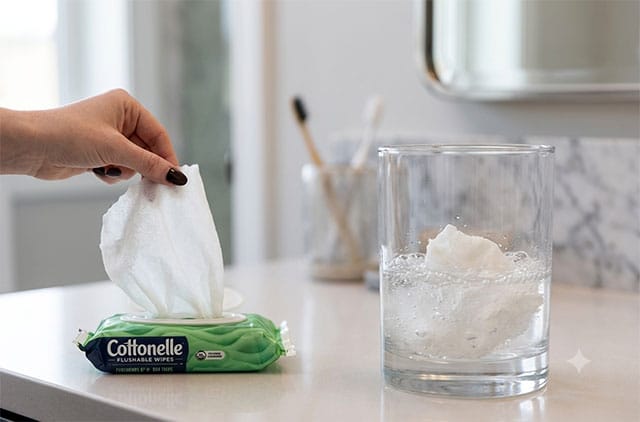
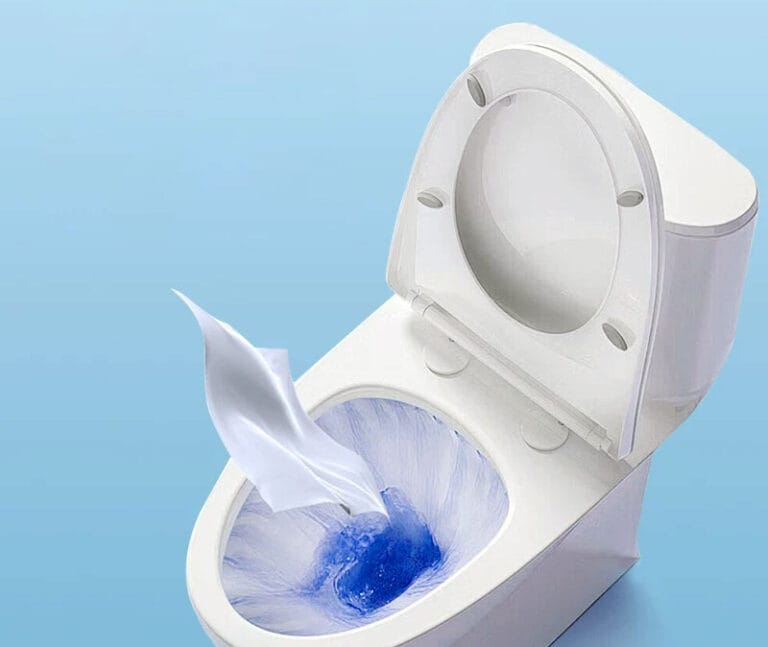
When consumers flush a wet wipe, they usually expect it to disappear just like toilet paper. However, creating a truly flushable wipe is much more challenging than it appears.
A toilet paper sheet is designed to break down quickly once it contacts water. A wet wipe, on the other hand, is manufactured to remain strong, soft, and durable during use. This creates a unique challenge for manufacturers: the wipe must be strong enough before flushing, but able to separate and disperse after entering a wastewater system.
This balance between strength and dispersibility is the reason why flushability standards have become an important topic in the wet wipes industry.
Among the different testing approaches available today, GD4 and IWSFG are two widely discussed flushability guidelines. Although both aim to improve flushable wipes performance, they evaluate the product from different perspectives.
For brands developing new flushable wipes products, understanding the difference between these two approaches can help with better decisions about materials, testing, and manufacturing partners.
Why Flushability Standards Matter for Wet Wipes Brands
The demand for flushable wipes continues to increase as consumers look for more convenient hygiene products. From adult care wipes to personal hygiene solutions, more brands are entering this growing category.
However, a wipe cannot be considered truly flushable simply because it is labeled as “flushable.”
The real challenge begins after the product leaves the consumer’s hands. Once flushed, the wipe interacts with water flow, wastewater systems, and mechanical forces. Its fiber structure and bonding technology determine whether it can break apart effectively or remain intact.
This is why industry organizations developed flushability guidelines. These standards help manufacturers evaluate whether a wipe can deliver a reliable user experience while reducing potential risks after disposal.
For brands, choosing the right flushable wipes manufacturer is not only about production capacity. It is also about understanding materials, testing requirements, and product performance.
Understanding the GD4 Flushable Wipes Standard
GD4, also known as Guidelines for Flushability Edition 4, was developed through the wipes industry to provide a structured approach for evaluating flushable products.
The guideline focuses on practical product development. It recognizes that a successful flushable wipe needs to achieve a balance between everyday usability and post-flush performance.
During development, manufacturers need to carefully control factors such as fiber selection, wipe construction, and wet strength. If the material structure is too strong, the wipe may not disperse effectively after flushing. If it breaks down too easily, consumers may experience poor cleaning performance.
Therefore, GD4 provides manufacturers with a framework to optimize product performance while meeting market expectations.
For brands, GD4 is often considered a valuable reference during product design because it connects technical evaluation with real-world product requirements.
Understanding the IWSFG Flushability Standard
The International Water Services Flushability Group (IWSFG) approaches flushability from a different perspective.
Rather than focusing primarily on product development, IWSFG looks at flushable wipes from the viewpoint of wastewater management. The main concern is how wipes behave after entering sewer systems and whether they can minimize potential impacts on wastewater infrastructure.
Because of this focus, IWSFG places stronger attention on rapid dispersibility and the use of materials that are more compatible with wastewater environments.
For brands developing sustainable flushable wipes, this perspective provides another important reference when evaluating material choices and product performance.
GD4 vs IWSFG: What Are the Main Differences?
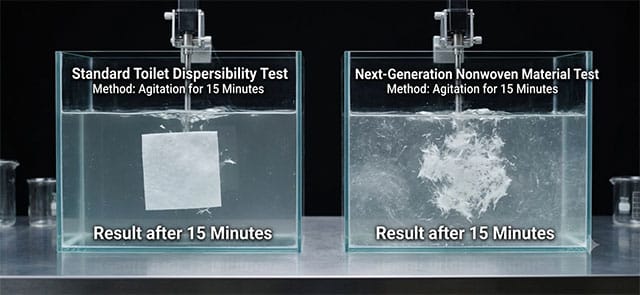
Although GD4 and IWSFG share the same goal of improving flushable wipes performance, they approach flushability from different perspectives.
GD4 is mainly focused on helping manufacturers evaluate product performance during development, while IWSFG places greater attention on how wipes behave after flushing and their potential impact on wastewater systems.
The differences between the two approaches can influence material selection, testing processes, and product development decisions. The table below provides a simple comparison of the key differences.
The main differences can be summarized below:
Comparison | IWSFG Guideline | GD4 Standard (INDA/EDANA) |
Testing Approach | Focuses on wastewater conditions and post-flush behavior | Focuses on product performance evaluation |
Disintegration | Emphasizes faster breakdown and dispersibility | Evaluates the balance between strength and breakdown |
Material Requirements | Encourages biodegradable and dispersible fiber structures | Allows different fiber structures based on performance |
Development Impact | May require more complex evaluation processes | Provides a practical framework for product development |
Neither standard is designed to replace the other. The most suitable approach depends on the target market, retailer expectations, product positioning, and the performance requirements of the final flushable wipes product.
Why Material Selection Determines Flushable Wipes Performance
While testing standards provide guidance, the foundation of flushable wipes performance starts with the raw materials.
The fiber structure determines how a wipe behaves during use and after disposal. Traditional synthetic fibers can provide excellent durability, but they are generally more resistant to separation in water.
For this reason, many flushable wipes are developed using cellulose-based materials, including bamboo pulp, wood pulp, and other biodegradable fibers. These materials are designed to provide softness and cleaning performance while supporting better dispersibility.
However, choosing materials for flushable wipes requires more than selecting a biodegradable option. Manufacturers must also consider the complete product experience, including skin comfort, lotion compatibility, production stability, and packaging requirements.
At SYWIPE, we help brands evaluate suitable wet wipes materials and develop flushable wipes solutions that balance performance, sustainability, and consumer expectations.
Choosing the Right Flushable Wipes Manufacturing Partner
Developing a successful flushable wipes product requires more than passing a single test.
A professional manufacturer needs to understand how materials, production processes, and product design work together. From initial fiber selection to final production, every stage can influence the performance of the finished wipe.
Experienced manufacturers can help brands make better decisions about substrate selection, formulation compatibility, packaging design, and quality control.
As an experienced flushable wipes manufacturer, SYWIPE supports brands with customized product development and manufacturing solutions, helping turn ideas into reliable market-ready products.
Learn more about our OEM wet wipes manufacturing solutions.
The Future of Flushable Wipes Development
As consumers become more aware of sustainability and responsible disposal, flushable wipes will continue to evolve.
Future products will rely on improved biodegradable fibers, better manufacturing technology, and more responsible product design.
For brands entering this category, understanding standards such as GD4 and IWSFG is an important first step. However, long-term success depends on combining the right materials, appropriate testing methods, and experienced manufacturing support.
With expertise in wet wipes development and production, SYWIPE helps global brands create flushable wipes products designed for modern consumer needs.
Ready to develop your flushable wipes product? Contact SYWIPE to discuss your project.
FAQ About GD4 and IWSFG Flushable Wipes Standards
What is the difference between GD4 and IWSFG?
GD4 focuses more on product evaluation and manufacturing development, while IWSFG places greater emphasis on wastewater protection and dispersibility after flushing.
Are GD4 and IWSFG certifications?
No. GD4 and IWSFG are industry guidelines and testing approaches used to evaluate flushability performance. They are not product certifications.
What materials are commonly used for flushable wipes?
Flushable wipes commonly use cellulose-based materials such as bamboo pulp, wood pulp, and biodegradable fibers because these materials can provide softness while supporting better breakdown performance.
Why do flushable wipes need special materials?
Because flushable wipes must balance two opposite requirements: maintaining strength during use while breaking down effectively after flushing.