How to Choose Feminine Wipes: What Really Matters
Choosing the best feminine wipes is not simply a matter of picking the most popular brand or the most attractive package. The right choice depends on the intended use, ingredient list, fragrance preferences, skin sensitivity, and the quality of the finished product.
For consumers, these details help narrow down suitable products. For retailers and personal care brands developing their own product lines, they also provide a practical starting point for evaluating private label feminine wipes and defining the specifications customers expect.
Rather than assuming that every feminine wipe offers the same benefits, it is worth understanding what distinguishes a well-designed product from one that may not suit your needs.
What Should You Look for in Feminine Wipes?
The first consideration is the intended application. Feminine wipes are generally designed for external intimate-area cleansing and refreshing. They are not intended to clean inside the vagina or replace normal washing practices.
A product marketed as feminine wipes should therefore be evaluated according to its actual formulation, labeling, and intended use rather than broad promises about intimate health.
For everyday use, a mild formula with a clearly disclosed ingredient list is a sensible starting point. Products with fewer potential irritants may be preferable for people who experience sensitivity, although no formula is guaranteed to suit everyone.
The best choice is the one that meets your practical needs without introducing unnecessary ingredients or making unsupported health claims.
Fragrance-Free or Scented: Which Is Better?
Fragrance is one of the first details worth checking when comparing feminine wipes.
Scented products may appeal to consumers who prefer a particular fragrance, but added fragrance can irritate sensitive skin. A pleasant scent also does not mean that a product cleans more effectively or improves intimate health.
Fragrance-free feminine wipes are often a reasonable option for people who are prone to irritation or prefer to avoid added perfume. However, fragrance-free does not automatically mean hypoallergenic, and other ingredients may still cause a reaction.
For brands developing a new intimate-care product, offering a fragrance-free version can be an important product-positioning decision. The final choice should reflect the target market, ingredient compatibility, product testing, and labeling requirements.
Why Formula and pH Deserve Attention
The liquid formulation influences how a wipe feels during use, how it cleans, and how well it performs throughout its shelf life.
Depending on the product concept, formulations may use purified water, suitable cleansing ingredients, humectants, and other components selected for their intended function. The ingredients must work together rather than simply create an appealing label.
pH is another consideration, but it should not be treated as a guarantee of intimate health. The vagina maintains its own natural environment, and a wipe’s pH does not establish that it can prevent infections or restore vaginal balance.
When comparing pH-balanced feminine wipes, look at the intended external application, the complete ingredient list, and the manufacturer’s supporting product information. A pH claim should be understood in the context of the finished formulation rather than as a stand-alone measure of safety.
For consumers who experience persistent irritation, unusual discharge, or an unusual odor, wipes are not a treatment. A healthcare professional can help determine the cause and recommend appropriate care.
Material Matters as Much as the Liquid
The sheet itself affects comfort, absorbency, strength, and the overall wiping experience.
Soft nonwoven fabrics are commonly used for personal care wipes. Depending on the product requirements, brands may consider viscose, bamboo-derived fibers, cotton-based materials, or other suitable nonwoven substrates.
Each material has its own characteristics. Softness alone does not determine quality; the sheet must also retain sufficient strength when wet and work well with the selected formulation.
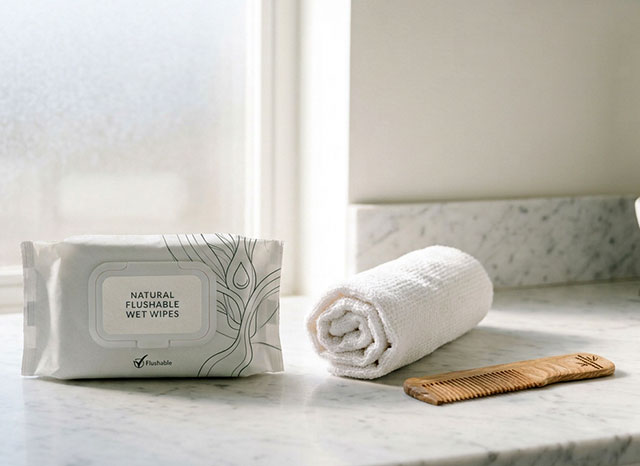
Sustainability claims deserve careful attention, too. Plant-derived fibers are not automatically biodegradable under every condition, and biodegradability does not mean that a wipe is suitable for flushing. Consumers should follow the disposal instructions on the package and avoid flushing wipes unless the product is specifically designed, tested, and labeled for that use.
For brands comparing materials, the decision should balance comfort, performance, environmental requirements, cost, and the expectations of the intended market.
Packaging Can Make Everyday Use More Convenient
Even a well-formulated wipe can become less useful if the packaging does not protect it properly.
Resealable soft packs are convenient for home use and everyday carry. Travel packs provide a compact option for handbags, gym bags, and luggage, while individually wrapped wipes may suit hospitality, travel, or single-use applications.
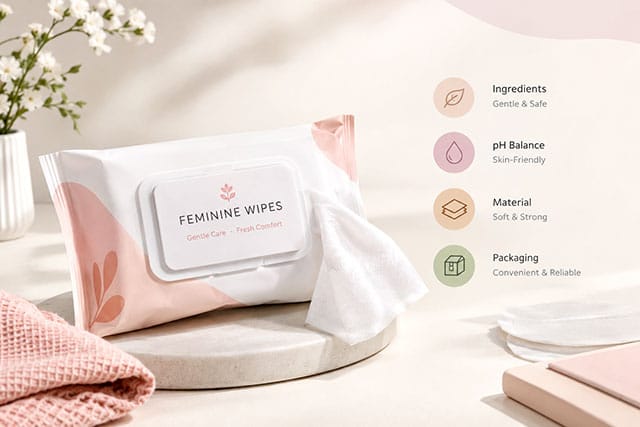
The packaging should keep the remaining sheets moist, allow convenient dispensing, and clearly communicate the product’s intended use. Seal integrity and compatibility between the packaging and the liquid formulation are important considerations during product development.
For consumers, a secure closure and clear labeling are practical signs to look for. For brands, packaging decisions also affect shelf presentation, shipping efficiency, retail requirements, and the overall customer experience.
Are Feminine Wipes Suitable for Everyday Use?
Feminine wipes can offer a convenient way to freshen the external intimate area when bathing is not immediately available. Some people find them useful while traveling, after exercise, or during menstruation.
However, they are optional rather than necessary for intimate hygiene. Over-cleansing and exposure to irritating ingredients may cause discomfort, particularly for sensitive skin.
Use the product only as directed, and stop using it if irritation develops. Avoid internal use, and do not rely on wipes to manage persistent symptoms.
For a more detailed discussion of appropriate use and precautions, read our guide on how to use feminine hygiene wipes.
How Brands Can Develop Better Feminine Wipes
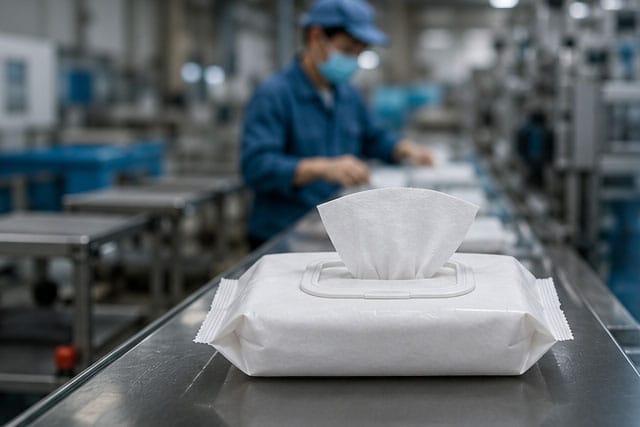
For retailers, distributors, and personal care companies, selecting a feminine wipe involves more than choosing a formula from a catalog. Product positioning, target customers, sheet material, liquid compatibility, packaging, and regulatory requirements all influence the final specification.
A premium product aimed at sensitive-skin consumers may prioritize a fragrance-free formulation and a soft substrate. A travel-oriented product may focus on compact packaging, convenient dispensing, and reliable moisture retention. A sustainability-focused range may require careful evaluation of fiber composition and substantiated environmental claims.
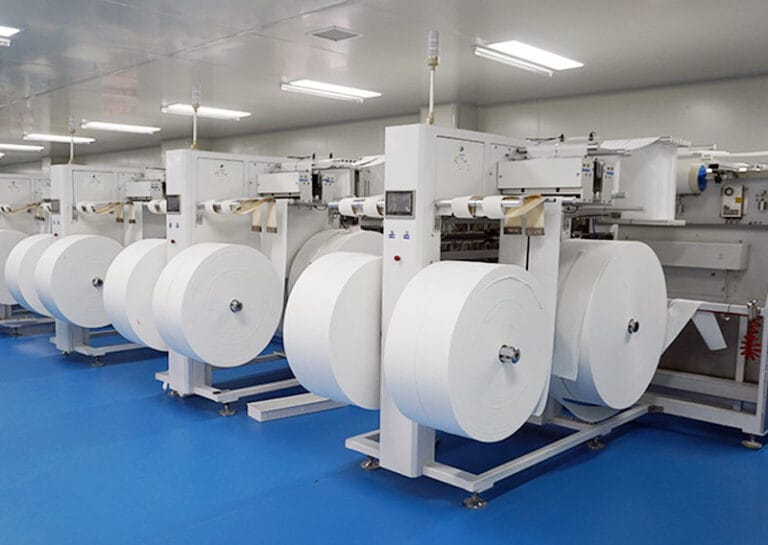
Working with an experienced manufacturer can help brands assess these requirements before committing to large-scale production.
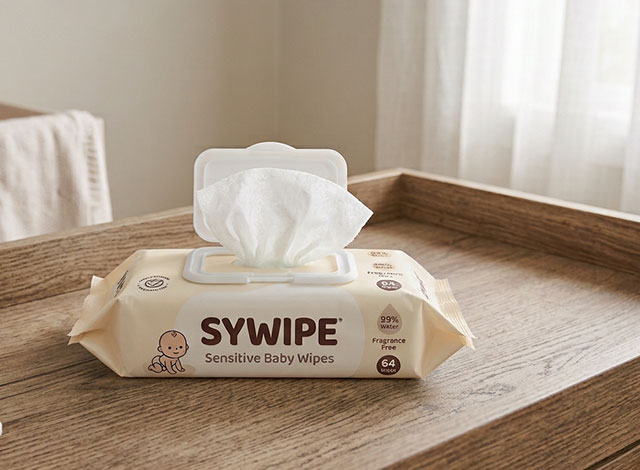
At SYWIPE, product development can be discussed around formula preferences, nonwoven materials, wipe dimensions, sheet count, and packaging formats. Final specifications depend on the selected product concept and manufacturing requirements.
Brands planning a new intimate-care range can review our custom wet wipes packaging options and discuss the requirements for their intended market before moving to sampling and production.
Frequently Asked Questions
What are the best feminine wipes for sensitive skin?
Fragrance-free products with clearly disclosed ingredients may be a reasonable starting point for people with sensitive skin. Individual reactions vary, so no product can be guaranteed to suit everyone.
Are pH-balanced feminine wipes necessary?
No. They are not essential for everyone. A pH claim alone does not prove that a product prevents infections or improves intimate health. Consider the intended use, complete formulation, and product information.
Can feminine wipes be used every day?
Some people use them for occasional external freshening, but daily use is not necessary for everyone. Stop using a product if it causes irritation, and follow its instructions.
Can feminine wipes be flushed down the toilet?
Do not assume that feminine wipes are flushable. Follow the package instructions and dispose of wipes in the trash unless the product is specifically designed, tested, and labeled for flushing.
Can brands customize feminine wipes for private label sales?
Customization may include formulation, nonwoven material, sheet dimensions, sheet count, packaging, and branding. The available options and minimum order quantities should be confirmed with the manufacturer for each project.
Choosing Feminine Wipes Starts with the Right Priorities
The best feminine wipes are not necessarily the most expensive, the most heavily fragranced, or the ones with the longest list of ingredients. They are products selected for their intended use, suitable formulation, comfortable material, clear labeling, and reliable packaging.
For consumers, these criteria make product comparisons more meaningful. For brands, they provide a practical framework for developing an intimate-care product that meets customer expectations without relying on exaggerated health claims.
SYWIPE supports customized wet wipes development for brands, retailers, and distributors seeking to build or expand their personal care ranges. Contact our team to discuss your product specifications, packaging requirements, and private label manufacturing needs.