How to Use Wet Wipes Correctly?
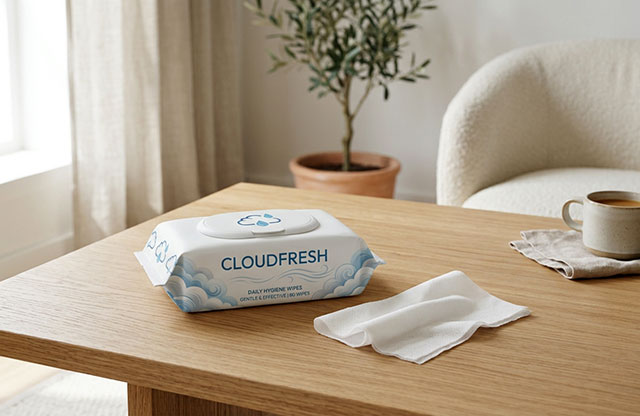
Wet wipes are designed for different cleaning needs, from baby care and facial cleansing to personal hygiene, surface disinfection, pet grooming, and industrial cleaning. Knowing how to use each type correctly helps improve cleaning results, reduce the risk of irritation, and prevent damage to surfaces or equipment.
The most important rule is to choose wipes according to their intended application. Baby wipes are formulated for gentle skin cleansing, disinfecting wipes are designed for specific surfaces, and industrial wipes are developed to remove tougher contaminants. These products are not interchangeable.
For consumers, choosing the right wipe means following the product label and using it as directed. For retailers, distributors, and brands, understanding these differences is also essential when developing a wet wipes product range.
1. How to Use Baby Wipes
Baby wipes are designed to clean delicate skin during diaper changes and everyday care. They typically use soft nonwoven materials and a liquid formulation developed for the intended skin application.
To use baby wipes correctly, gently wipe the area that needs cleaning without applying excessive pressure. During diaper changes, clean from front to back, particularly for girls, to help reduce the transfer of bacteria. Use a fresh wipe when necessary, and allow the skin to dry before putting on a new diaper if appropriate.
Choose wipes according to the baby’s skin needs and the manufacturer’s age and use recommendations. If redness or irritation develops, discontinue use and seek medical advice when necessary.
Baby wipes can also be convenient for cleaning hands and other suitable areas, but they should not automatically be treated as facial wipes, disinfecting wipes, or products intended for every skin application.
2. How to Use Facial and Makeup Remover Wipes
Facial wipes are designed to remove everyday impurities, excess oil, and, depending on the formulation, makeup. Some are developed for general facial cleansing, while others specifically target makeup removal.
Follow these steps for better results:
Wash your hands before handling the wipe.
Gently wipe the face, moving from one area to another without scrubbing.
Use a clean section of the wipe for areas that require additional cleansing.
Around the eyes, follow the product instructions and avoid direct contact with the eyes.
Complete your skincare routine as needed. If makeup or residue remains, use an appropriate facial cleanser.
Facial wipes offer convenience when traveling, commuting, or refreshing your skin after exercise. However, they do not necessarily replace a complete facial cleansing routine.
People with sensitive skin should check the ingredient list and discontinue use if irritation occurs. Avoid using a facial wipe for a purpose that the product label does not support.
3. How to Use Personal Hygiene Wipes
Personal hygiene wipes are developed for specific external hygiene needs. Depending on the product, they may be intended for adult body care, intimate hygiene, or use after toilet visits.
To use them, read the packaging instructions first and clean only the areas specified by the manufacturer. Use gentle wiping motions rather than rubbing the skin aggressively. Dispose of used wipes according to the label and local waste-disposal guidance.
For intimate hygiene, use only products intended for the relevant external area. Do not insert wipes into the vagina or use them internally. Fragranced products or certain ingredients may irritate sensitive skin, so a fragrance-free option may be preferable for people prone to irritation.
Wet toilet wipes should not automatically be flushed, even when marketed as flushable. Unless the product meets the applicable requirements and local guidance permits flushing, disposal in a waste bin is the safer choice for plumbing systems.
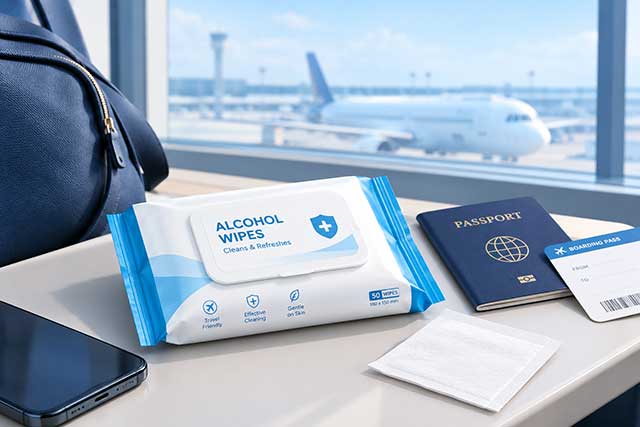
Personal hygiene wipes are convenient for travel and situations where water is not readily available, but they should complement rather than replace appropriate hygiene practices.
4. How to Use Disinfecting Wipes
Disinfecting wipes are designed to reduce or inactivate specified microorganisms on approved surfaces when used according to the product label. They are different from ordinary cleaning wipes and should not be assumed safe for direct skin contact.
For effective use:
Check that the wipe is suitable for the surface and intended application.
Remove visible dirt first if the label requires pre-cleaning.
Wipe the target surface thoroughly, covering the areas specified in the instructions.
Keep the surface visibly wet for the contact time stated on the label.
Allow the surface to dry or rinse it if the product instructions require this.
The required contact time and effectiveness vary by product and target microorganism. A quick wipe does not necessarily provide the disinfection performance stated on the label.
Never mix disinfecting products with other chemicals. Use appropriate ventilation and protective equipment when required, and keep the wipes away from children and pets.
For food-contact surfaces, medical equipment, and other regulated applications, follow the product’s specific instructions and applicable requirements. Do not assume that a general-purpose disinfecting wipe is suitable for every environment.
5. How to Use Pet Wipes
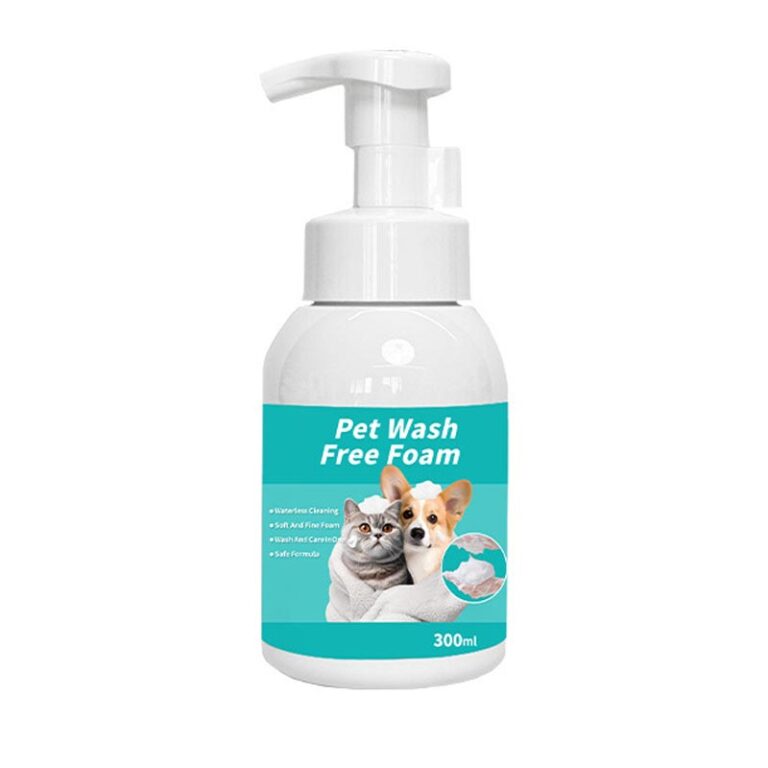
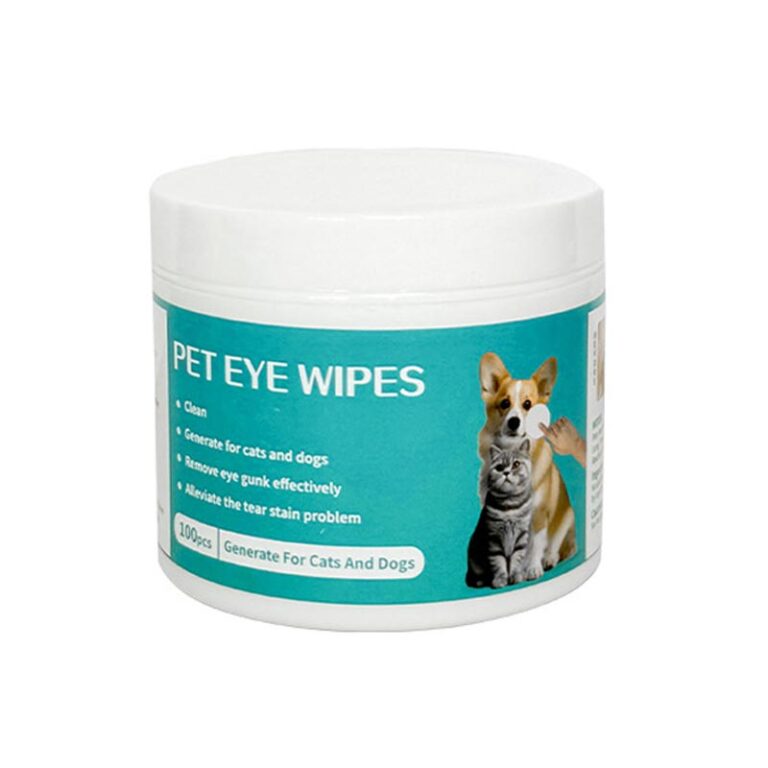
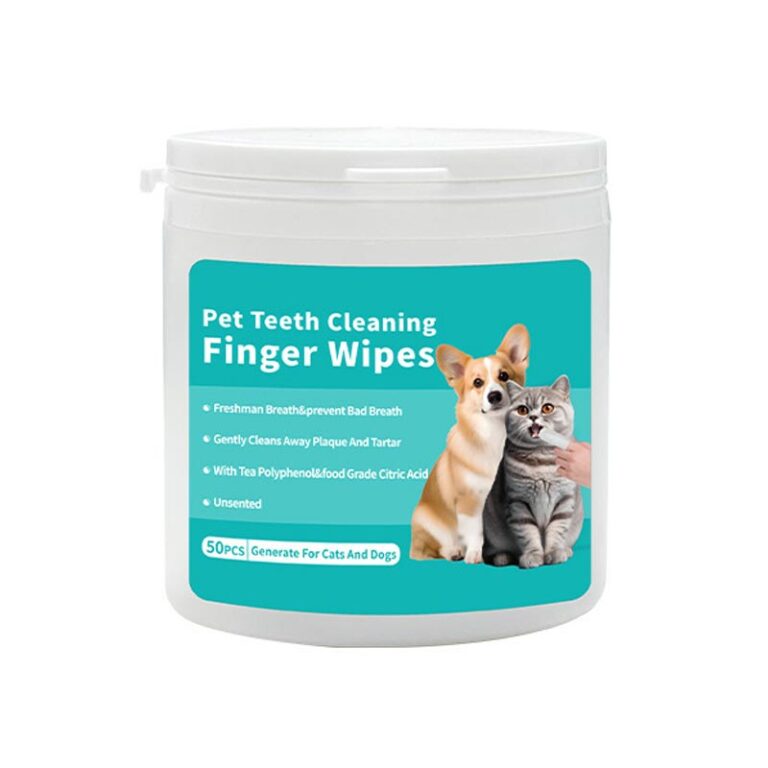
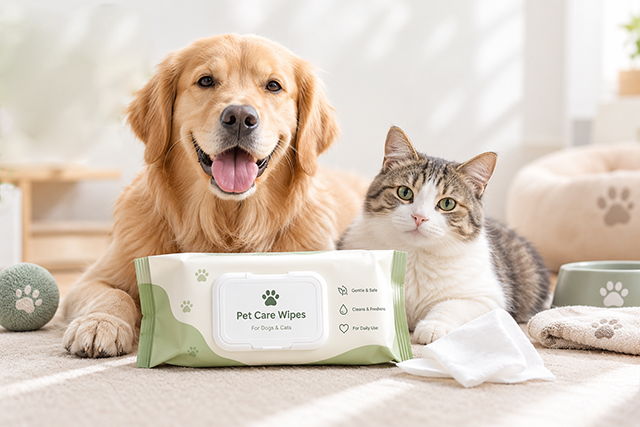
Pet wipes can help remove surface dirt and maintain cleanliness between baths. Different products may be developed for paws, coats, ears, or other specific grooming applications, so it is important to select the correct type.
For paws and coats, gently wipe away dirt and debris, paying attention to the areas specified on the product label. Use a separate clean wipe for each heavily soiled area when appropriate.
For ear care, use only wipes specifically intended for the external ear area. Do not insert a wipe deep into the ear canal. If your pet has ear discharge, persistent odor, redness, or signs of pain, consult a veterinarian rather than relying on wipes alone.
Never assume that household disinfecting wipes or human cosmetic wipes are suitable for animals. Pets may lick treated areas, and ingredients that are appropriate for one application may be unsuitable for another.
Choose pet wipes according to the animal, intended body area, and formulation instructions. Stop using the product if irritation occurs.
6. How to Use Industrial Cleaning Wipes
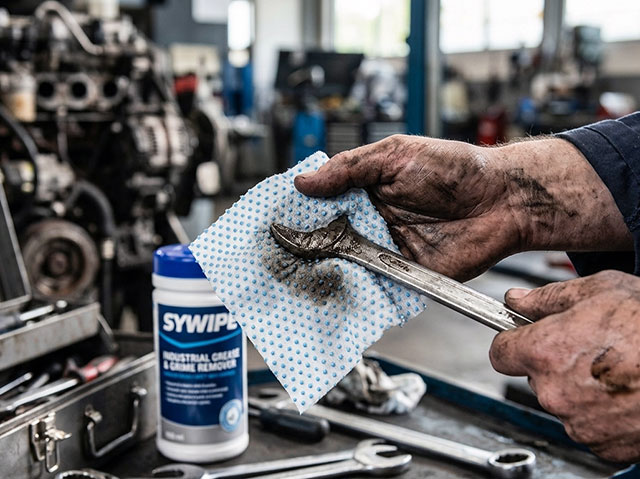
Industrial cleaning wipes are designed for demanding cleaning tasks in workshops, manufacturing facilities, maintenance operations, and automotive service environments. Depending on their construction and formulation, they may help remove grease, oil, ink, dirt, and other workplace contaminants.
Start by identifying the contaminant and the surface to be cleaned. Select a wipe that is compatible with both. For example, a heavy-duty wipe intended for workshop grease may not be appropriate for delicate electronics, painted finishes, or sensitive coatings.
Remove excess contamination where practical, then wipe the surface using controlled strokes. Use a clean section of the wipe or a fresh wipe when it becomes heavily soiled. Follow the product instructions for any required rinsing, drying, or protective measures.
For skin exposed to industrial contaminants, use only wipes specifically intended for skin cleaning. Industrial surface wipes are not automatically suitable for hands or other body areas.
Always check chemical compatibility, safety information, and workplace procedures before use. Contaminated wipes should be handled and disposed of according to the substances they contain and the applicable workplace requirements.
For brands and distributors, selecting the right industrial wipe involves more than cleaning strength. Substrate durability, liquid formulation, packaging, and the intended working environment all influence product performance.
How to Choose and Store Wet Wipes Correctly
The best wet wipe is one designed for the task at hand. Before use, check three things: the intended application, the product instructions, and any relevant safety precautions.
For skin-contact products, consider the intended user, skin sensitivity, and formulation. For surface cleaning and disinfection, check surface compatibility and the required application procedure. For industrial applications, consider the type of contamination, material compatibility, and workplace safety requirements.
Proper storage also matters. Keep wipes sealed between uses, store them within the temperature range stated on the packaging, and avoid using products that have dried out, changed appearance, or passed their stated expiration date when one is provided.
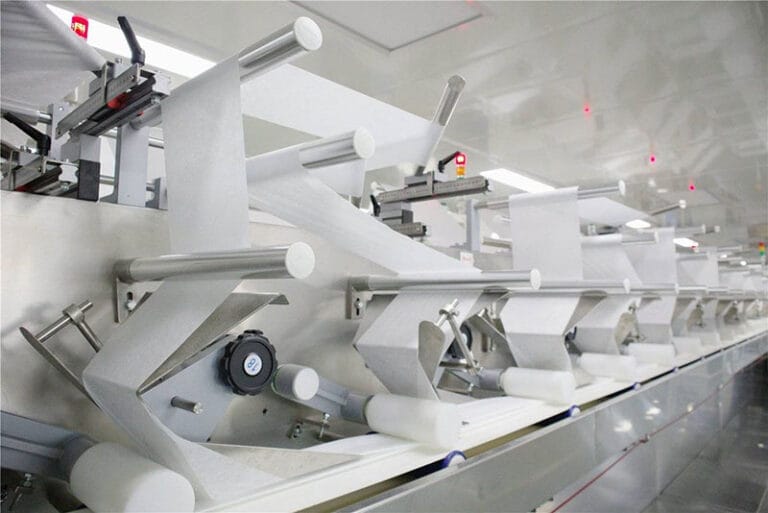
For manufacturers and private-label brands, the wipe material, liquid formulation, sheet dimensions, packaging format, and intended use should be developed as a coordinated product specification rather than treated as independent choices.
Frequently Asked Questions
Can I use the same wet wipes for my face, hands, and surfaces?
Not necessarily. Different wet wipes are formulated and tested for different applications. Use a product only for the purposes stated on its label. Surface disinfecting wipes and industrial cleaning wipes should not be used on skin unless explicitly designed and labeled for that purpose.
Should I rinse my skin after using wet wipes?
It depends on the product and your skin’s needs. Follow the manufacturer’s instructions. If residue, discomfort, or irritation occurs, stop using the product and rinse the affected area when appropriate.
Can I flush all wet wipes down the toilet?
No. Many wet wipes do not break down as quickly as toilet paper and can contribute to plumbing or sewer blockages. Follow the product label and local disposal guidance. When in doubt, dispose of used wipes in a waste bin.
How can wet wipes manufacturers develop products for different applications?
Manufacturers need to match the nonwoven substrate, liquid formulation, sheet dimensions, packaging, and intended use. Product testing and compliance requirements should also reflect the target market and application. Brands considering a new product line can work with an experienced OEM partner to define these specifications.
Develop Wet Wipes for Your Market
Different applications require different combinations of materials, formulations, sheet performance, and packaging. A wipe designed for delicate skin has different requirements from one intended for surface disinfection or heavy-duty industrial cleaning.
SYWIPE supports OEM and private-label wet wipes development for brands, retailers, and distributors. Product specifications can be tailored to the intended application, target market, and packaging requirements.
If you are planning a new wet wipes product line, define the target user and cleaning task first, then evaluate the appropriate materials, formulation, and packaging options.