Wet Toilet Paper vs. Dry Toilet Paper
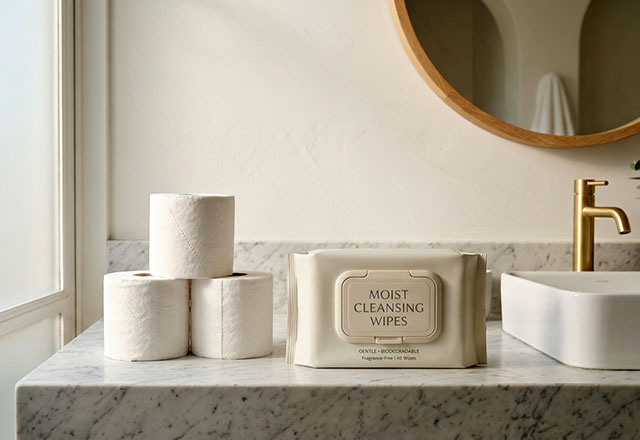
Wet toilet paper and dry toilet paper are both used for personal hygiene after using the toilet, but they offer different cleaning experiences. Dry toilet paper is familiar, widely available, and easy to store, while wet toilet paper provides moisture that can help remove residue and may feel more comfortable for some users.
Which option is better depends on personal preference, skin sensitivity, convenience, cost, and disposal requirements. Neither product is automatically the best choice for everyone.
This guide compares wet toilet paper and dry toilet paper to help you understand their differences and decide which option best fits your daily routine.
What Is the Difference Between Wet and Dry Toilet Paper?
Dry toilet paper is a disposable paper product designed for routine bathroom hygiene. It is generally made from virgin wood pulp, recycled fibers, or other suitable paper materials. Its performance depends on factors such as fiber composition, ply count, softness, and strength.
Wet toilet paper, also called moist toilet tissue, consists of pre-moistened sheets designed for personal cleansing. The sheets typically contain a substrate combined with a liquid formulation that may include water, cleansing agents, humectants, and preservatives.
Although both products serve a similar purpose, their construction and disposal requirements can differ.
For a more detailed explanation of product composition and design, read what wet toilet tissue is and how it works.
Cleaning Performance and Everyday Comfort
One of the main differences between wet and dry toilet paper is the presence of moisture.
Dry toilet paper removes residue through wiping and absorption. Its effectiveness depends on the paper’s structure, the amount used, and individual needs.
Wet toilet paper introduces moisture during cleansing, which may help loosen and remove residue. Some users prefer this sensation because it feels refreshing or reduces the need for repeated dry wiping.
However, neither product guarantees a particular level of cleanliness in every situation. Performance varies by product design and how it is used.
For everyday bathroom hygiene, the most suitable option is the one that provides comfortable, effective cleansing without causing irritation.
Skin Comfort and Ingredient Considerations
Skin comfort depends on more than whether a product is wet or dry.
Dry toilet paper does not normally contain a cleansing lotion, fragrance, or the preservatives required by water-based wipes. However, rough textures, repeated friction, and certain added fragrances or dyes can bother some users.
Wet toilet paper may contain ingredients intended to improve the cleansing experience, such as glycerin or other skin-conditioning agents. These ingredients do not guarantee that a product will be suitable for every skin type.
For people who are sensitive to fragrance, a fragrance-free formulation may be worth considering. It is also important to review the full ingredient list and discontinue use if irritation develops.
People with persistent itching, pain, bleeding, or other ongoing symptoms should seek advice from a healthcare professional rather than relying on a cleansing product to treat the problem.
Convenience, Portability, and Storage
Dry toilet paper is widely available in rolls and multipacks. It is simple to store, requires no resealable moisture barrier, and is suitable for routine use at home or in public restrooms.
Wet toilet paper is often sold in resealable soft packs, refill packs, or smaller travel formats. These options can be convenient for travel, work, or situations where users prefer a moist cleansing product.
However, wet toilet paper requires packaging that helps retain moisture. Once opened, the pack should be resealed according to the manufacturer’s instructions to help prevent the sheets from drying out.
For households that use wet toilet paper occasionally, a smaller pack may be more practical than a large multipack. Frequent users may prefer a larger format that offers better value per sheet.
Cost Comparison: Which Option Offers Better Value?
Dry toilet paper is generally less expensive per sheet and is widely available in different price ranges. It may therefore be a practical choice for households that prioritize low everyday costs.
Wet toilet paper often costs more per sheet because the finished product includes a substrate, cleansing lotion, moisture-retaining packaging, and additional manufacturing requirements.
Nevertheless, price per sheet alone does not determine value. Sheet size, pack quantity, product quality, and how frequently the product is used all influence the overall cost.
When comparing products, consider the price per pack, number of sheets, package size, and expected usage. This provides a more meaningful comparison than relying on the advertised price alone.
Environmental Impact and Material Differences
The environmental impact of both products depends on their materials, manufacturing processes, packaging, and disposal methods.
Dry toilet paper may be made from virgin pulp or recycled fibers. Products made with responsibly sourced materials or recycled content may offer advantages in particular circumstances, although environmental performance depends on the full product lifecycle.
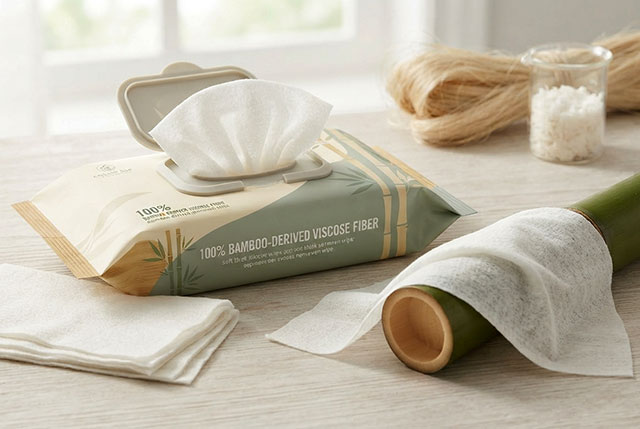
Wet toilet paper may use cellulose-based fibers or other substrates, depending on its intended application. Some products are designed to break down under specified conditions, but material descriptions alone do not establish how a finished wipe will behave in wastewater systems.
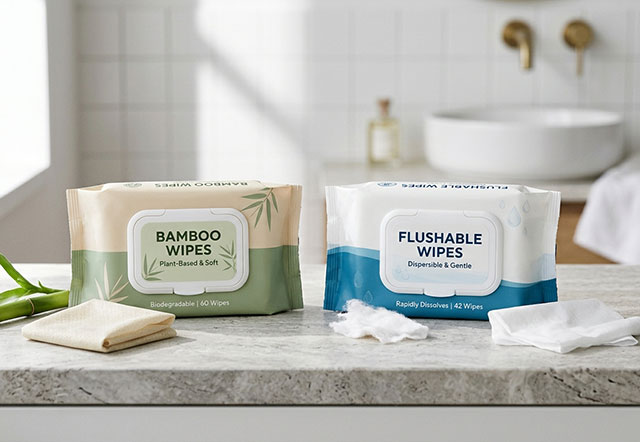
Terms such as biodegradable, plant-based, and flushable describe different properties. A biodegradable material is not automatically suitable for flushing, and a plant-based substrate does not guarantee that a product will break down quickly enough in plumbing systems.
Packaging also matters. Resealable plastic packaging can help retain moisture but contributes to the product’s material footprint. Buyers should compare the full product rather than assuming that one category is always more environmentally friendly.
For additional information, see the guide to wood pulp toilet paper and the available wet wipes materials and packaging options.
Can Wet Toilet Paper Be Flushed?
Not all wet toilet paper is designed or evaluated for flushing. The intended use and disposal instructions on the product packaging should always be checked.
A product’s appearance, fiber source, or biodegradable claim does not prove that it is suitable for flushing. Flushability depends on the construction of the finished wipe and the relevant testing evidence.
Even products marketed as flushable may cause problems in certain plumbing or wastewater systems. Local authorities may also recommend disposing of wipes in a waste bin, regardless of the manufacturer’s labeling.
If you are considering a product specifically for flushing, review the supporting test documentation and follow local wastewater guidance.
Our guide on how to choose flushable wipes explains the factors to consider when evaluating product claims and disposal instructions.
Wet Toilet Paper vs. Dry Toilet Paper: Which Should You Choose?
The right choice depends on your preferences and circumstances.
Choose dry toilet paper if you:
• Prefer a familiar, straightforward bathroom product.
• Want an economical option for everyday use.
• Prefer a product without a cleansing lotion.
• Need a product that is easy to store in bulk.
Consider wet toilet paper if you:
• Prefer moisture-assisted cleansing.
• Want a compact format for travel or occasional use.
• Prefer a product with a specific cleansing formulation.
• Find moist cleansing more comfortable for your personal routine.
Some people choose to use both products together, using dry toilet paper for routine wiping and wet toilet paper when they prefer additional moisture. If you do so, follow the disposal instructions for each product and do not assume that every moist wipe can be flushed.
Frequently Asked Questions
Is wet toilet paper better than dry toilet paper?
Neither is universally better. Wet toilet paper provides moisture that may help remove residue, while dry toilet paper is widely available, generally less expensive, and convenient for everyday use. The best option depends on personal preference, product characteristics, and disposal requirements.
Is wet toilet paper suitable for sensitive skin?
Some products offer fragrance-free formulations and ingredients selected for personal cleansing. However, individual sensitivities vary, and no product can guarantee that irritation will not occur. Check the ingredients and discontinue use if discomfort develops.
Is dry toilet paper more environmentally friendly?
Not necessarily in every situation. Environmental impact depends on fiber sourcing, recycled content, manufacturing, packaging, and disposal. Dry toilet paper and wet toilet paper should be compared using evidence about the specific products rather than broad assumptions.
Can wet toilet paper be flushed down the toilet?
Only products specifically developed and appropriately evaluated for flushable use should carry that claim. Follow the product instructions and local wastewater guidance. When compatibility is uncertain, disposal in a waste bin is the more conservative option.
Can wet toilet paper replace dry toilet paper completely?
Some people prefer moist cleansing products for their routine, while others prefer dry toilet paper or use both. The decision depends on personal preference, product suitability, cost, and disposal requirements.
Final Thoughts
Wet toilet paper and dry toilet paper each have practical advantages. Dry toilet paper is a familiar and economical option, while wet toilet paper provides moisture-assisted cleansing in convenient packaging.
Rather than assuming one product is always superior, compare the materials, ingredients, price, packaging, and disposal instructions. Choosing a product that suits your needs and using it as directed will help you make a more informed decision.