Best Baby Wipes for Sensitive Skin: What Parents Should Know

Choosing the best baby wipes for sensitive skin requires more than looking for a fragrance-free label. Babies’ skin can be delicate and may react to certain ingredients, repeated friction, or unsuitable cleansing products. Parents should therefore consider the complete formulation, ingredient transparency, and how a wipe feels during everyday use.
For families looking for gentle cleansing options, sensitive baby wipes are worth considering. The right product should remove everyday dirt and residue without unnecessary rubbing or exposure to ingredients that may cause irritation. Understanding what makes a baby wipe suitable for delicate skin can help parents make more informed choices.
What Makes Baby Skin Sensitive?
A baby’s skin is still developing and can be more vulnerable to irritation from external factors. Frequent diaper changes, moisture, friction, and contact with urine or stool can all contribute to skin discomfort.
Some babies may also be sensitive to particular ingredients in personal care products. Fragrances, certain preservatives, and other formulation components can trigger irritation or allergic contact reactions in susceptible individuals.
This is why selecting wipes for delicate skin involves looking beyond marketing terms. A product described as natural or gentle is not automatically suitable for every baby.
Choose Fragrance-Free Baby Wipes
Fragrance is one of the first ingredients parents should consider when comparing baby wipes.
Added fragrances can contain multiple components, some of which may cause skin irritation or allergic reactions. For babies with sensitive skin, fragrance-free baby wipes are often a sensible starting point.
When checking product labels, distinguish between fragrance-free and unscented. Fragrance-free generally means that no fragrance has been added to the formulation. Unscented products, however, may contain ingredients intended to mask other odors.
Parents should also remember that fragrance-free does not automatically mean hypoallergenic. The complete formula still determines how a product performs and how individual skin responds.
Check the Ingredients in Baby Wipes
The cleansing solution is just as important as the wipe material. Different ingredients serve different purposes, including cleansing, moisturizing, and preserving the product.
Here are several common ingredients found in baby wipe formulations:
Purified Water
Purified water is commonly used as the primary liquid component in baby wipes. It provides a base for cleansing and helps remove everyday dirt and residue.
Glycerin
Glycerin is a humectant that helps attract and retain moisture. It is frequently used in personal care products to support skin hydration.
Aloe Vera
Aloe vera may be included as a skin-conditioning ingredient in selected baby wipe formulations. Its suitability depends on the complete formula and individual skin tolerance.
Vitamin E
Vitamin E is used in some formulations for its skin-conditioning properties.
Preservatives
Preservatives are essential in water-based wipes because they help prevent microbial growth during storage and use. Their selection and concentration should meet applicable safety and regulatory requirements.
Rather than assuming that products with fewer ingredients are always better, parents should look for transparent ingredient information and formulations developed for the intended application.
Consider Alcohol-Free and Mild Cleansing Formulas
Many parents prefer alcohol-free baby wipes for routine diaper changes and everyday cleaning.
However, the term alcohol-free should be interpreted in the context of the complete ingredient declaration. Different types of alcohol have different functions and properties, so it is important not to treat every alcohol-related ingredient as equivalent.
A mild cleansing formula should balance effective cleaning with skin compatibility. It should remove everyday residue without requiring excessive rubbing.
For babies with particularly sensitive skin, parents may prefer products with clearly disclosed ingredients and no unnecessary fragrance or harsh cleansing components.
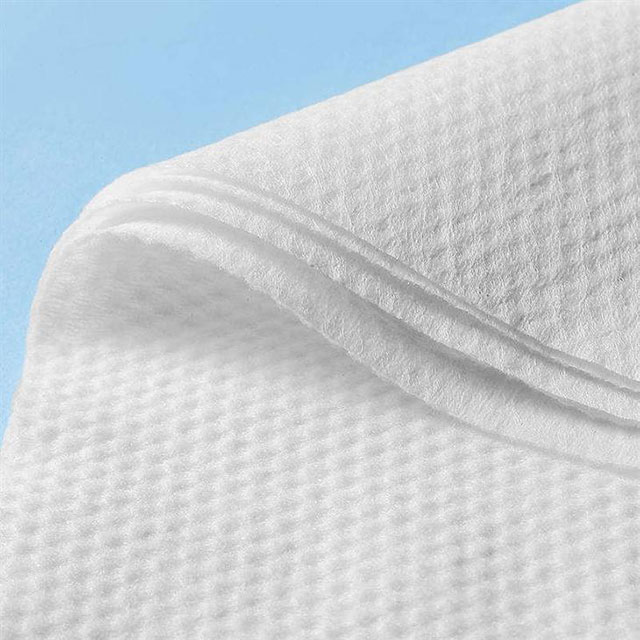
Look for Soft Materials That Reduce Friction
The fabric of a baby wipe directly contacts the skin. A soft, smooth surface can help make everyday cleaning more comfortable, especially when wipes are used frequently.
Parents should consider the following material characteristics:
Softness and surface texture.
Adequate moisture retention.
Sufficient wet strength during use.
Comfortable thickness and flexibility.
Consistent fabric quality.
A wipe that is too rough or tears easily may make cleaning less convenient and increase unnecessary friction.
Different nonwoven materials can provide different levels of softness, absorbency, and strength. However, material names alone do not guarantee a comfortable finished product. Fabric construction and overall product quality also matter.
Understand Hypoallergenic and Dermatologically Tested Claims
Baby wipe packaging often includes claims such as hypoallergenic, dermatologist-tested, natural, or suitable for sensitive skin.
These descriptions can help consumers understand a product’s intended positioning, but they should not replace a review of the actual formulation and supporting test information.
Hypoallergenic generally indicates that a product is designed to reduce the likelihood of allergic reactions. It does not guarantee that no baby will experience a reaction.
Dermatologically tested means that skin-related testing has been conducted. Parents should consider the testing method, study conditions, and results rather than relying on the wording alone.
Natural does not necessarily mean non-irritating. Naturally derived ingredients can also cause reactions in some individuals.
The most useful approach is to examine the complete ingredient list, understand the product’s intended use, and observe how the baby’s skin responds.
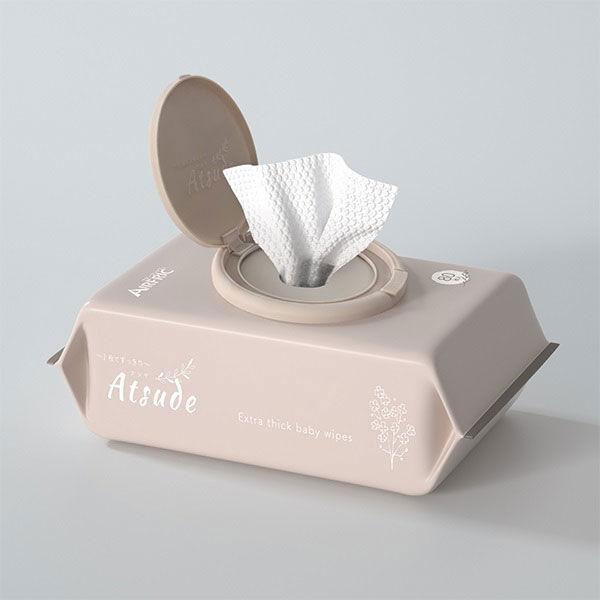
Choose Packaging That Keeps Baby Wipes Moist
Packaging also affects the everyday performance of baby wipes.
When a pack is left open, moisture can evaporate, causing wipes to become dry and less convenient to use. A reliable closure helps maintain product moisture after opening.
Common packaging options include:
Flip-top packs for convenient daily use.
Resealable soft packs for diaper bags and home use.
Individual sachets for travel and on-the-go cleaning.
Refill packs for compatible dispensers.
Parents should close the package securely after each use and follow the manufacturer’s storage instructions.
Avoid using wipes that have dried out unexpectedly or show unusual changes in appearance, odor, or texture.
When Should Parents Stop Using a Baby Wipe?
Even a product developed for sensitive skin may not suit every baby.
If redness, itching, swelling, or other signs of irritation appear after using a particular wipe, stop using it. For routine cleaning, parents can consider using clean water and a soft cloth while monitoring the affected area.
Persistent irritation, broken skin, or suspected allergic reactions should be discussed with a healthcare professional.
For babies with eczema or other diagnosed skin conditions, follow professional recommendations on suitable cleansing products. Do not assume that every baby wipe labeled for sensitive skin is appropriate for every skin condition.
Frequently Asked Questions
What are the best baby wipes for sensitive skin?
The most suitable options generally have a mild cleansing formula, soft materials, clearly disclosed ingredients, and fragrance-free formulations. Individual skin tolerance is also important because no single product is suitable for every baby.
Are fragrance-free baby wipes better for sensitive skin?
Fragrance-free baby wipes can be a sensible choice because they avoid added fragrance, which may irritate some babies. However, parents should still review the complete ingredient list and consider the baby’s individual response.
Are water-based baby wipes suitable for newborns?
Water-based baby wipes can be suitable for newborn care when the complete formulation is appropriately developed and tested. Water content alone does not determine product safety or suitability.
Can baby wipes cause diaper rash?
Certain ingredients, repeated friction, and prolonged moisture exposure may contribute to skin irritation. If a baby develops persistent redness or discomfort, stop using the suspected product and consult a healthcare professional when necessary.
Should parents choose hypoallergenic baby wipes?
Hypoallergenic products may be worth considering for babies with sensitive skin, but the term does not guarantee that allergic reactions are impossible. Ingredient transparency and individual skin tolerance remain important.
Finding the Right Baby Wipes for Your Baby
Choosing baby wipes for sensitive skin is about finding a suitable balance between gentle cleansing, comfortable materials, and a well-developed formula. Parents should prioritize transparent product information and pay attention to how their baby’s skin responds.
For families comparing different products, our guide to how to choose baby wipes provides additional information on everyday product selection.
The relationship between cleansing performance and skin comfort is also important. Read more about baby wipes and skin comfort to understand how formulation and material choices influence the finished product.
For businesses developing their own baby care ranges, SYWIPE offers customized sensitive baby wipes with options for formula, nonwoven materials, sheet specifications, and packaging.
Contact SYWIPE to discuss your private label baby wipes requirements and product development needs.