How to Use Industrial Pumice Hand Cleaner?
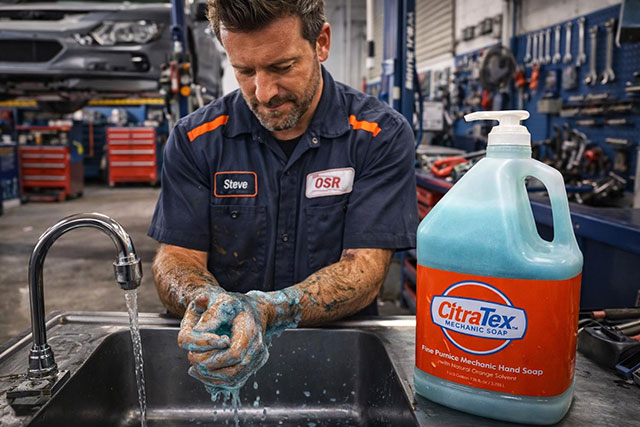
After a long day repairing machinery, servicing vehicles, or working around industrial equipment, clean hands are not always easy to achieve. Engine oil settles into the creases of the palms, grease collects around fingernails, and stubborn dirt remains even after washing with ordinary soap.
This is where industrial pumice hand cleaner can make a difference. Designed for heavily soiled hands, it combines cleansing ingredients with fine abrasive particles to help loosen stubborn grease and grime during washing. If you are interested in understanding how pumice hand cleaner removes grease and oil, the cleaning process becomes easier to understand when you see how the product is used in everyday working conditions.
However, getting good results is not simply a matter of using more product or scrubbing harder. The right technique helps remove dirt effectively while avoiding unnecessary friction on the skin.
A Better Way to Clean Heavily Soiled Hands
Imagine finishing an engine repair. Your fingertips are dark with grease, and ordinary soap has barely made a difference. Instead of repeatedly washing with regular hand soap, a dedicated pumice hand cleaner offers a more suitable approach.
The process is straightforward, but each step matters.
Start by Removing Excess Dirt
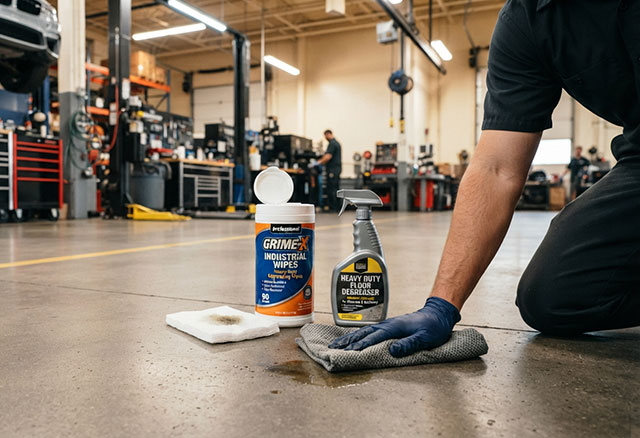
Before applying the cleaner, take a moment to remove loose dirt and excess grease. A suitable disposable cleaning cloth can help remove heavy surface contamination.
This simple step prevents unnecessary product waste and makes the washing process easier.
If your hands are covered in large amounts of industrial residue, avoid spreading the contamination unnecessarily to other areas of your skin.
Apply the Right Amount of Cleaner
Dispense an appropriate amount of pumice hand cleaner into your palm. The amount depends on the product formulation and how heavily your hands are soiled.
For most applications, starting with the manufacturer’s recommended dosage is a sensible approach. Add more only if needed.
Using too much cleaner does not automatically produce better results. Consistent application is more important than excessive dispensing.
Work the Cleaner Across Your Hands
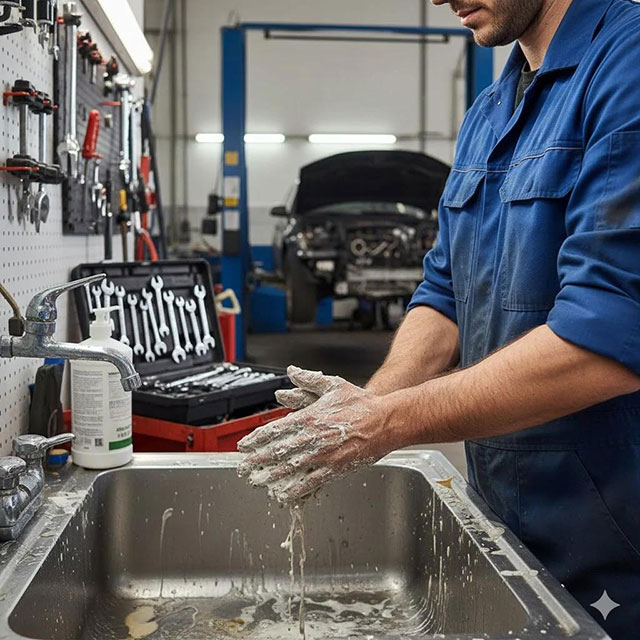
Rub your palms together and spread the cleaner across both hands.
Pay particular attention to areas where grease tends to accumulate:
• Around the fingernails and fingertips
• Between the fingers
• Along the palm creases
• Across the backs of the hands
• Around the knuckles
Use gentle, even movements rather than aggressive scrubbing. The abrasive particles help loosen embedded grime while the cleansing ingredients assist in removing oily residues.
Follow the product’s directions regarding whether it should be applied to wet or dry hands.
Rinse Away the Cleaner and Residues
Once the hands have been cleaned, rinse thoroughly under clean running water.
Do not rush this step. Product residue and loosened dirt can remain around fingernails and between fingers if rinsing is incomplete.
Continue rinsing until your hands feel clean and no visible product remains.
Dry Your Hands and Restore Skin Comfort
After washing, dry your hands with a clean towel or suitable hand-drying equipment.
For workers who wash their hands several times throughout the day, a suitable moisturizer can help maintain skin comfort and reduce dryness.
A consistent hand-care routine is especially useful in workplaces where frequent cleaning is part of everyday operations.
How Much Pumice Hand Cleaner Is Enough?
One common mistake is assuming that heavily soiled hands always require a large amount of cleaner.
In practice, the appropriate quantity depends on the formulation, product consistency, and level of contamination.
A light coating of grease may require less product than hands covered with thick engine oil or workshop grime. Different pumice concentrations and formulations can also affect the amount needed.
For this reason, there is no universal dosage that applies to every product. Follow the manufacturer’s instructions and adjust according to the actual cleaning requirement.
For industrial facilities, using a consistent dispensing method can also help control product consumption and maintain a practical handwashing routine.
How Long Should You Scrub?
There is no single scrubbing time that works for every type of pumice hand cleaner.
The goal is to distribute the cleaner evenly and cover all affected areas without applying excessive pressure.
Pay attention to fingertips, nail edges, and palm creases, where stubborn dirt may remain. If grease is still visible, follow the product instructions rather than extending the scrubbing time indefinitely.
Aggressive or prolonged rubbing can irritate the skin, particularly for workers who need to wash their hands repeatedly during a shift.
Common Mistakes That Make Hand Cleaning Less Effective
Even a suitable industrial hand cleaner may not deliver a comfortable cleaning experience when used incorrectly.
One common mistake is applying too much product. Excessive dispensing increases consumption without necessarily improving the result.
Another is scrubbing too hard. Pumice particles are intended to provide mechanical cleaning action, but pressing harder is not a substitute for proper technique.
Some workers also overlook areas around their fingernails and between their fingers. These areas can retain grease even when the palms appear clean.
Finally, incomplete rinsing can leave product residue on the skin. Taking a few extra moments to rinse thoroughly is an important part of the process.
Choosing the Right Hand-Cleaning Routine for Your Workplace
Not every workplace has the same cleaning requirements. A mechanic working on an engine, a factory maintenance technician, and a construction worker may encounter different types and levels of contamination.
The cleaning routine should reflect the actual working environment, the products being handled, and the frequency of handwashing.
For example, automotive workshops often deal with engine oil, lubricants, and accumulated mechanical grime. Businesses managing these environments may find our guide to hand cleaners for auto shops useful when reviewing their hand-cleaning options.
In manufacturing and maintenance facilities, a suitable industrial hand cleaner can support routine hand hygiene after work involving machinery, equipment, and industrial materials.
Whatever the setting, hand cleaner should be used as directed and should never replace protective gloves or other workplace safety measures.
Important Precautions When Using Pumice Hand Cleaner
Pumice hand cleaner is designed for external hand cleaning, but proper use remains important.
Avoid applying abrasive products to open cuts, broken skin, or severely irritated areas. Do not allow the product to enter the eyes, and rinse thoroughly after use.
If redness, discomfort, or irritation develops, discontinue use and follow the product’s safety instructions.
Workers handling hazardous chemicals should follow workplace hygiene procedures and the relevant safety data sheets. Some contaminants require specialized removal procedures, and ordinary hand cleaners may not be suitable for every chemical exposure.
It is also important to remember that pumice hand cleaner is not a substitute for personal protective equipment. Appropriate gloves and other protective measures should be used whenever workplace conditions require them.
Frequently Asked Questions
Can you use pumice hand cleaner every day?
Usage frequency depends on the product formulation, the level of contamination, and individual skin tolerance. Many industrial workers use heavy-duty hand cleaners as part of their regular hygiene routine. Follow the manufacturer’s instructions and avoid excessive scrubbing.
Should pumice hand cleaner be used on wet or dry hands?
This depends on the specific formulation. Some products are designed for wet hands, while others may be applied directly to dry hands before rinsing. Always check the product directions.
Can pumice hand cleaner remove engine grease?
Pumice-based hand cleaners are designed to help loosen stubborn grease, oil, and workshop grime through mechanical scrubbing combined with cleansing ingredients. Results depend on the formulation and the type of contamination.
Is pumice hand cleaner suitable for sensitive skin?
Not every pumice hand cleaner is suitable for sensitive skin. Abrasive particles may cause irritation, especially when used too frequently or with excessive pressure. Check the ingredients and product directions, and discontinue use if irritation occurs.
Should you moisturize your hands after washing?
Applying a suitable moisturizer can help maintain skin comfort, particularly for people who wash their hands frequently during the working day.
Final Thoughts
Clean hands are an important part of a comfortable and practical working routine. For people regularly exposed to grease, engine oil, and industrial grime, using the right hand cleaner and following the correct washing technique can make everyday cleaning easier.
The process does not need to be complicated: remove excess dirt, apply an appropriate amount of cleaner, rub gently, rinse thoroughly, and dry your hands properly.
For industrial hand-cleaning products, the right formulation and clear usage instructions help create a better experience for the people who use them every day.