How to Clean Kitchen Grease Effectively?
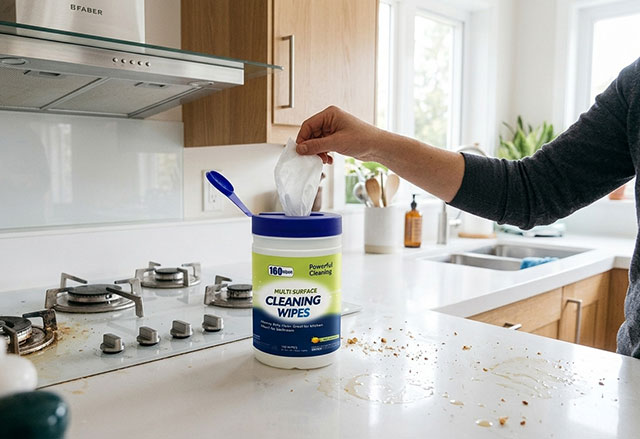
Kitchen grease is easy to overlook when it first appears. A thin film around the stove or a slightly sticky cabinet door may not seem like a problem, but repeated cooking can turn these deposits into stubborn residue that becomes increasingly difficult to remove.
The best way to clean kitchen grease depends on the surface, the age of the buildup, and the type of cleaning product used. Fresh grease usually requires less effort, while older deposits may need a surface-compatible degreaser. For routine maintenance, degreasing wipes can also be a convenient option for removing small grease spots from compatible surfaces.
Understanding why grease accumulates and how different kitchen materials respond to cleaning products can help you remove residue effectively without damaging cabinets, countertops, or appliances.
Why Does Kitchen Grease Become So Difficult to Remove?
Cooking releases tiny droplets of oil and grease into the surrounding air. These particles settle on nearby surfaces, including cabinet doors, backsplash tiles, range hoods, and appliance exteriors.
At first, the residue may be almost invisible. As more cooking vapors settle on the same area, grease mixes with dust and other particles, creating a thicker, sticky layer. Heat can also make cleaning around cooking equipment more challenging by contributing to persistent deposits.
This is why a surface that looks relatively clean after one meal may develop a noticeable greasy film after weeks of regular cooking.
The key is to loosen the oily residue before attempting to remove it. Water alone may not be sufficient, because oil does not readily mix with water. Suitable detergents and degreasers contain ingredients that help loosen or disperse grease, allowing it to be lifted away during wiping.
How to Remove Stubborn Grease from Kitchen Surfaces
Greasy Kitchen Cabinets
Cabinet doors near the stove often collect airborne grease, particularly around handles, edges, and areas above cooking equipment. Older deposits may feel tacky even after the surface has been wiped with a dry cloth.
Start by identifying the cabinet finish. Painted wood, laminate, sealed timber, and other finishes can react differently to moisture and cleaning chemicals.
For light buildup, use a soft cloth dampened with a mild detergent solution. For more persistent residue, choose a cleaner approved for that finish and follow the label instructions. Work in small sections, using gentle strokes rather than aggressive scrubbing.
Always test the cleaner in an inconspicuous area first. Avoid soaking wood or allowing liquid to collect around joints, edges, and unfinished surfaces. Once the grease has been removed, wipe away any remaining cleaning solution as directed and dry the surface.
Grease Around Stovetops and Burners
Stovetops experience repeated exposure to oil splashes, food residue, and heat. Grease can become particularly difficult to remove around burner rings, control knobs, and the edges of the cooking surface.
Allow the appliance to cool completely before cleaning. Remove loose debris, then use a cleaner suitable for the specific stovetop material. A nonabrasive cloth or sponge is generally a better starting point than a scouring pad.
Glass cooktops may scratch if cleaned with unsuitable abrasive materials. Stainless steel can develop visible marks when scrubbed against the grain, while enamel coatings may be damaged by harsh chemicals.
For hardened deposits, allow an approved cleaning product to work for the time specified on its label. Repeat the process if necessary instead of applying excessive pressure. Follow the appliance manufacturer’s instructions, particularly around burners and electrical components.
Sticky Range Hoods and Grease Filters
Range hoods are exposed to cooking vapors every day, making them common locations for concentrated grease buildup. The exterior surface and the filter, however, may require different cleaning methods.
For the exterior, use a compatible degreasing product and a soft cloth. Pay attention to seams and edges where residue tends to accumulate, but avoid spraying liquid directly into switches, motors, vents, or electrical openings.
Before removing a filter, check the manufacturer’s maintenance instructions. Some metal filters can be washed with warm water and a suitable detergent, while other components require different care.
If grease has accumulated over a long period, several cleaning passes may be more effective than trying to remove the entire layer at once. Regular filter maintenance also helps prevent excessive buildup.
Greasy Backsplashes and Wall Tiles
Backsplashes collect oil droplets from frying, sautéing, and other cooking activities. Smooth glazed tiles are generally straightforward to clean, but grout lines and textured finishes can trap residue.
Apply a suitable cleaner and allow it to loosen the grease according to the product instructions. Wipe the surface with a nonabrasive cloth or sponge, paying particular attention to joints and corners.
Check that the cleaner is appropriate for the grout, sealant, and decorative finish. Rinse when required by the label, then dry the surface to reduce streaks and visible residue.
Grease on Countertops and Appliance Exteriors
Countertops and appliance exteriors require special attention because their finishes vary considerably.
For compatible laminate or stainless-steel surfaces, a suitable detergent or degreaser may be sufficient. Natural stone, including marble, can be damaged by acidic cleaners, while some coated or painted surfaces are sensitive to solvents and abrasive materials.
Always check the manufacturer’s care guidance before using vinegar, concentrated degreasers, or other strong cleaning agents.
When cleaning refrigerators, microwaves, or other electrical appliances, apply products as directed and prevent liquid from entering vents, controls, and openings. Disconnect power when required by the manufacturer’s cleaning instructions.
Choosing the Right Cleaner for Kitchen Grease
Not every greasy surface requires a heavy-duty cleaning product. Choosing a cleaner based on the severity of the residue and the material being cleaned can help reduce unnecessary chemical exposure and surface damage.
For recent grease splashes, a mild detergent solution is often a practical first choice. For older or more persistent deposits, a degreaser specifically approved for the surface may provide better results.
Before using a product, consider three questions:
• Is it intended for the surface you need to clean?
• Does the label specify any rinsing, ventilation, or protective equipment requirements?
• Can it be used safely around food preparation areas when the instructions are followed?
Never mix cleaning chemicals unless the product labels explicitly permit it. In particular, bleach must not be mixed with vinegar, ammonia, or other incompatible cleaners because dangerous gases or reactions may result.
For surfaces that contact food, follow the cleaner’s instructions regarding rinsing and any required food-contact precautions. Do not assume that a product is suitable simply because it removes grease effectively.
Can Degreasing Wipes Remove Kitchen Grease?
Cleaning wipes can be useful for small grease deposits and routine maintenance, but their performance depends on the formula, substrate, and intended application.
General-purpose wipes may be adequate for light residue. Products specifically formulated for degreasing may be better suited to more demanding cleaning tasks. However, industrial degreasing wipes should not automatically be used on delicate kitchen finishes or food-contact surfaces.
For businesses developing cleaning products, degreasing wipes offer one possible product category for kitchen, commercial, and other cleaning applications. The intended surface, formula compatibility, and label instructions should determine the appropriate use.
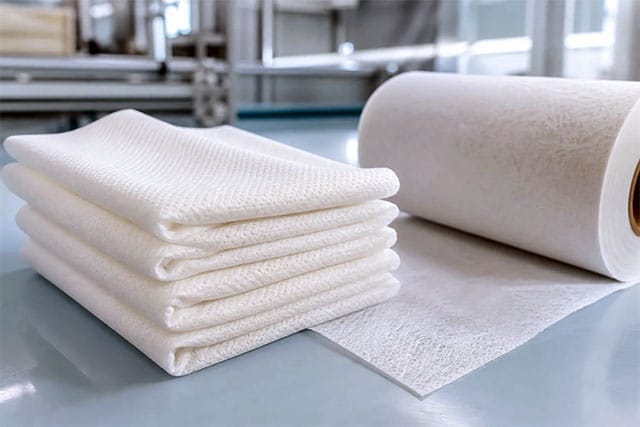
Wipe construction also influences performance. Absorbency, material strength, texture, and liquid retention affect how a wipe handles residue and withstands repeated wiping. Brands evaluating product development can review available wet wipes materials and packaging options to understand the variables involved in creating a product for a specific market.
The important distinction is that a wipe is a cleaning format, not a guarantee of a particular cleaning result. The formula and intended application matter just as much as the material itself.
How to Prevent Grease Buildup in the Kitchen
Removing established grease takes more effort than dealing with it before it accumulates. A consistent maintenance routine can make kitchen cleaning more manageable.
Wipe away fresh splashes once cooking surfaces have cooled and can be cleaned safely. Pay particular attention to the backsplash, cabinet doors closest to the stove, and the exterior of the range hood.
Use the range hood or extractor fan as recommended during cooking, and maintain its filters according to the manufacturer’s schedule. Good ventilation can help manage airborne cooking particles, although it does not eliminate the need for regular cleaning.
Choose cleaning products that are compatible with each surface, and avoid leaving detergent or degreaser residue behind when the instructions require rinsing. Regular inspection also helps identify sticky deposits before they become thick, hardened layers.
For heavily used kitchens, a simple routine of frequent spot cleaning and periodic deeper cleaning is often more practical than waiting until grease is visible across multiple surfaces.
Frequently Asked Questions
What removes stubborn kitchen grease most effectively?
The appropriate cleaner depends on the surface and the residue. Mild detergent can work for fresh grease, while an approved degreaser may be needed for older buildup. Allow the product to work as directed and avoid excessive scrubbing.
How do you remove old grease from kitchen cabinets?
Identify the cabinet finish first. Use a compatible cleaner, test it in a hidden area, and work gently with a soft cloth. Avoid soaking wood, damaging paint, or using abrasive materials that may scratch the finish.
Can vinegar remove kitchen grease?
Vinegar may help with some light cleaning tasks, but it is not suitable for every kitchen surface. Its acidity can damage natural stone and certain finishes. Check the material manufacturer’s recommendations before using it.
Are degreasing wipes suitable for kitchen surfaces?
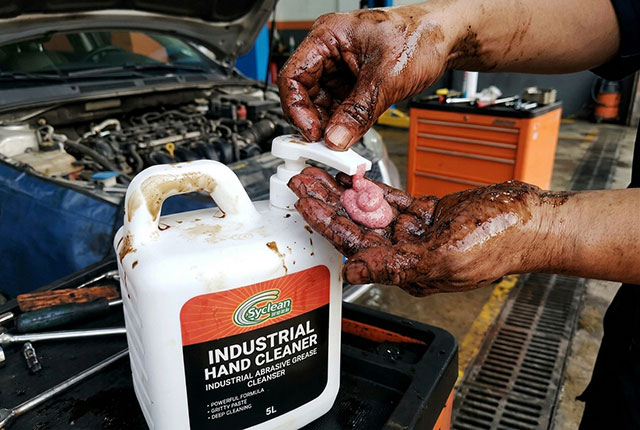
Some degreasing wipes are formulated for particular kitchen surfaces, while others are intended for industrial or automotive applications. Read the label carefully and follow any rinsing or food-contact precautions. Never assume that every degreasing wipe is suitable for countertops or food preparation areas.
How often should kitchen grease be removed?
Fresh splashes should be cleaned when the surface is cool and safe to handle. Cabinet doors, backsplash tiles, and range hood exteriors may need more frequent attention in kitchens where frying and high-heat cooking are common. Filter maintenance should follow the appliance manufacturer’s guidance.
Developing Custom Cleaning Wipes for Household Brands
For brands planning to introduce household cleaning wipes, the product development process begins with a clear understanding of the intended cleaning task. Formula selection, substrate strength, moisture retention, packaging, and surface compatibility all influence the final product.
SYWIPE supports OEM and private-label wet wipes development for brands, distributors, and retailers. Businesses can review the household and other wet wipe product categories and discuss their intended applications, product specifications, and packaging requirements with the team.
A well-designed cleaning product should meet the needs of its intended users while providing clear instructions for effective and responsible use.