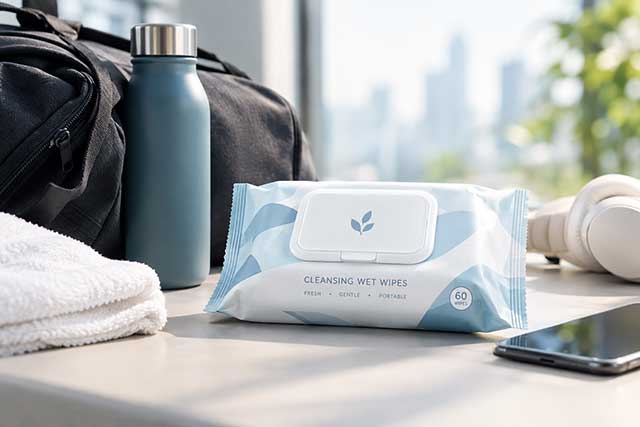
Why Do Wet Wipes Prices Vary So Much?
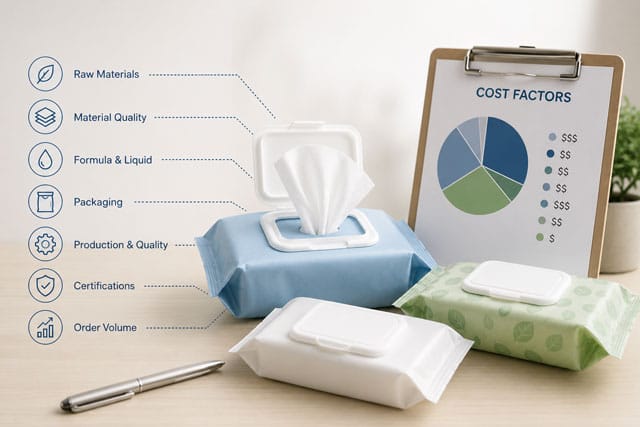
It usually starts with a simple expectation.
Before requesting quotations, many buyers spend weeks comparing different OEM wet wipes manufacturers, hoping to find the best balance between price, quality, and production capability. On paper, everything looks identical—same wipe count, same packaging style, same intended use.
But when the replies arrive, the confusion begins.
One supplier offers a surprisingly low price. Another is noticeably higher. A third seems almost unrelated in cost.
At first glance, it feels inconsistent. Even unfair.
Yet in wet wipes manufacturing, this situation is completely normal.
Because what looks like the same product is often not the same product at all.
The difference is not in the description. It is in everything that happens behind the description.
When “same product” is not really the same?
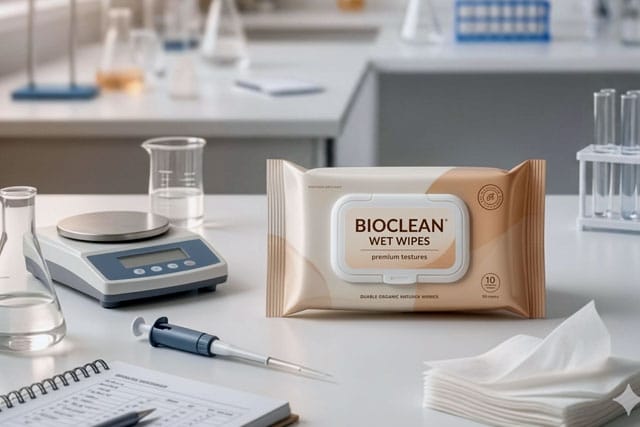
In most purchasing conversations, wet wipes are defined in a few simple lines: 80 wipes per pack, nonwoven fabric, fragrance-free, standard flow pack, private label.
However, experienced OEM wet wipes manufacturers know that these basic specifications only describe the surface of the product, not the real production structure behind it.
These specifications are useful, but they only describe the final appearance—not the engineering behind it.
Two factories can both confirm they are producing “80-count wet wipes,” yet still be working with completely different material structures, liquid systems, and production standards.
One may be optimized for cost efficiency and high-speed output. Another may be built for stability, compliance, and long-term brand positioning.
From the outside, the packs look similar. From the inside, they are not.
This gap is where pricing differences begin to form.
What the buyer sees vs what the factory knows?
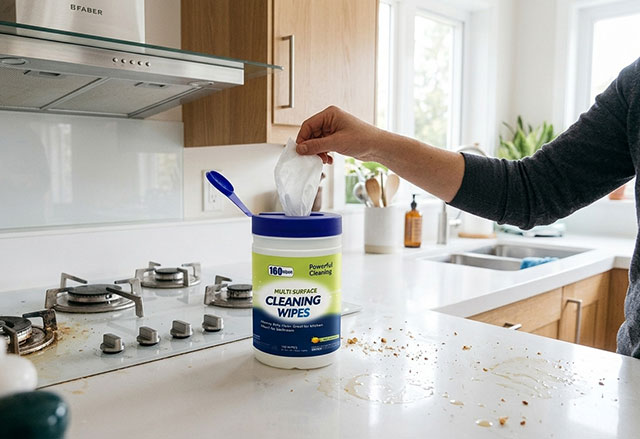
To a buyer, wet wipes seem like a finished consumer product. To a manufacturer, they are the result of dozens of controlled variables working together.
Even something as simple as “softness” is not a single material choice.
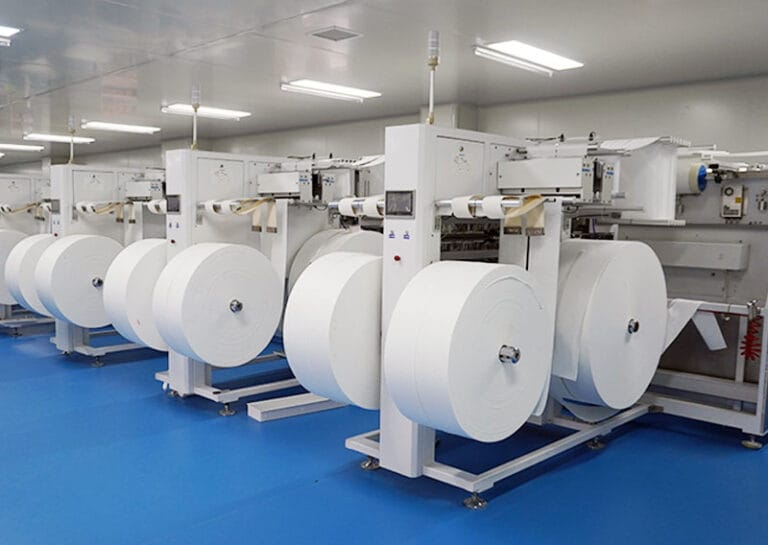
It is directly influenced by fiber composition, fabric density, and liquid absorption behavior, which is why understanding what wet wipes are made of is essential when comparing supplier quotations. It comes from fiber composition, fabric density, and how the nonwoven behaves when saturated with liquid.
Two wipes that feel similar in hand may have been produced from entirely different material grades. One may prioritize cost efficiency. The other may prioritize skin compatibility or premium feel.
The same applies to liquid formulation. A basic purified water solution is very different from a carefully balanced formula designed for sensitive skin or cosmetic use.
None of this complexity appears in a simple quotation sheet. But all of it is reflected in the final cost.
Why packaging quietly changes everything?
Packaging is often underestimated because it looks uniform from the outside.
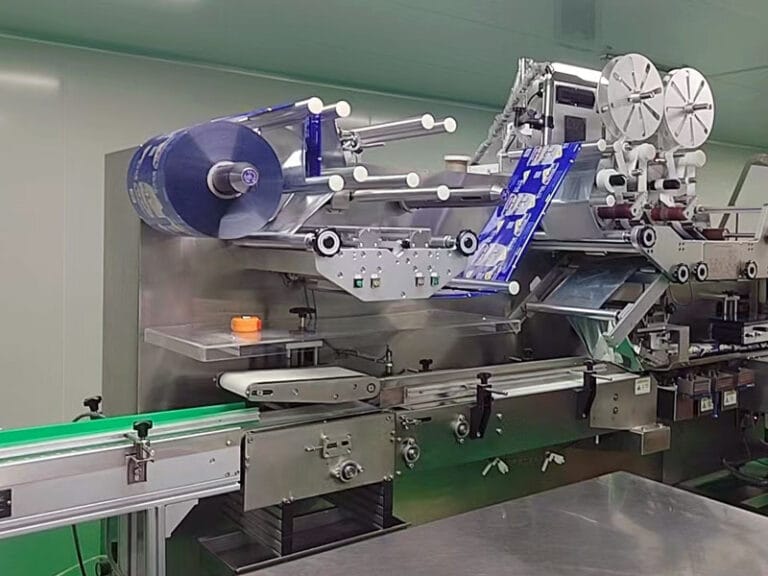
A standard wet wipes pack may appear to be just plastic film and a label. But in production, that “simple” structure can vary significantly.
Film thickness, sealing strength, printing quality, and reseal design all influence not only appearance, but also production speed and material waste.
A high-end packaging structure might require slower machine operation and stricter temperature control. A more economical structure can run faster, but with fewer protective features.
These differences rarely affect the product description. Yet they significantly affect cost.
The invisible cost of production systems
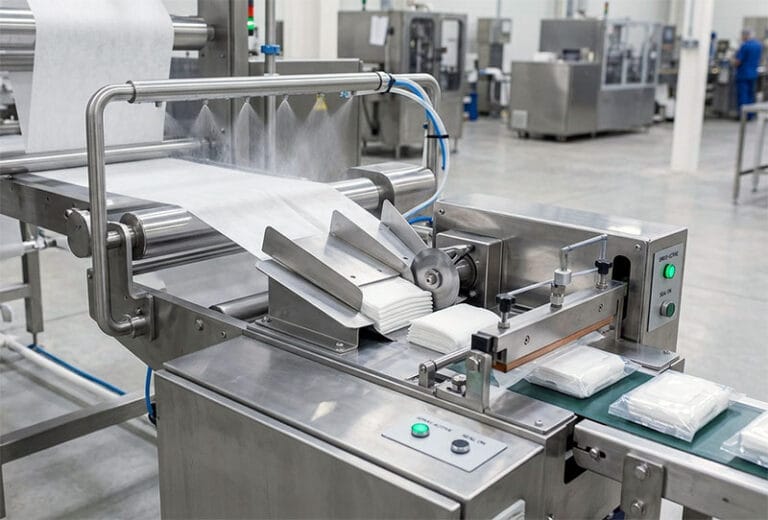
Beyond materials and packaging, there is another layer that most buyers never see: the production system itself.
Some factories operate with highly automated, integrated production lines designed for consistency and efficiency. Others rely on more manual processes, where flexibility is higher but variability also increases.
The difference is not just about speed. It is about how tightly controlled the entire production environment is—from liquid dosing to sealing pressure to final packaging inspection.
A more advanced system requires higher investment and maintenance. But it also reduces risk, especially for large-scale or long-term supply.
This is one of the hidden reasons why quotations from different factories can vary so widely.
When quality control becomes part of the price?
Quality control is another factor that rarely appears in a specification sheet but always appears in the final cost.
Some factories check only finished products. Others monitor every stage of production, including raw material inspection, in-process stability, and final batch testing.
The difference may sound procedural, but its impact is practical. More controlled processes reduce the likelihood of defects such as uneven moisture, weak sealing, or inconsistent wipe performance.
For brands entering international markets, especially regulated ones, this level of control is often essential.
And naturally, it comes at a cost.
Why cheap is not always simple?
It is easy to assume that a lower price simply means a better deal.
But in wet wipes manufacturing, price reductions often come from adjustments that are not immediately visible.
This is also why wet wipes samples don’t match mass production in some cases, especially when cost-driven decisions are made during scaling.
A slightly thinner fabric. A simplified packaging film. A reduced moisture level. A less rigorous inspection process.
Individually, these changes may seem minor. But together, they can significantly affect product consistency and user experience.
In some cases, problems only appear after mass production begins—when packaging leaks, wipes dry out, or batches become inconsistent.
At that point, the cost difference is no longer about saving money. It becomes about correcting problems.
Understanding what really determines value
Once buyers move beyond the initial confusion, pricing starts to make more sense.
The real value of a wet wipes manufacturer is not defined by a single quotation, but by the system behind it—materials, production capability, quality control, compliance, and the ability to consistently replicate approved samples at scale.
This is why experienced buyers often spend less time asking “who is cheapest” and more time understanding how each factory builds its product.
Because in the end, wet wipes are not just a packaged commodity. They are a manufactured system where every detail influences the final result.
Final thought
Wet wipes pricing differences are not random. They are the result of accumulated decisions made long before a quotation is issued.
From raw materials to production systems, from packaging design to quality control standards, every layer adds its own weight to the final cost.
Once these layers are visible, the price differences stop feeling confusing. They start to reflect something more important: how each manufacturer builds, controls, and delivers its product.
And for any brand building long-term success, that understanding matters far more than the lowest number on a quotation sheet.
FAQ
Why are wet wipes prices so different between suppliers?
Because raw materials, packaging, production systems, and quality control levels vary significantly between manufacturers.
Is a higher price always better?
Not always. But extremely low prices often indicate compromises in materials or quality control.
What is the biggest cost factor in wet wipes manufacturing?
Raw materials and packaging usually account for the largest portion of cost.
Why do samples and mass production differ?
Because pilot samples often use optimized conditions that are difficult to fully replicate in large-scale production without proper process control.